
You can get plenty of kills in ranked and still lose. Even an opening pick can disappear as an advantage when teammates take separate fights around the map.
Alongside aim, check whether you are turning a teammate’s opportunity into a useful next action.
Prepare to trade an entry, move with information and flashes, and read repeated enemy routes. These five habits change how you fight without requiring an elaborate playbook.
1. Prepare the Trade Before Your Teammate Enters
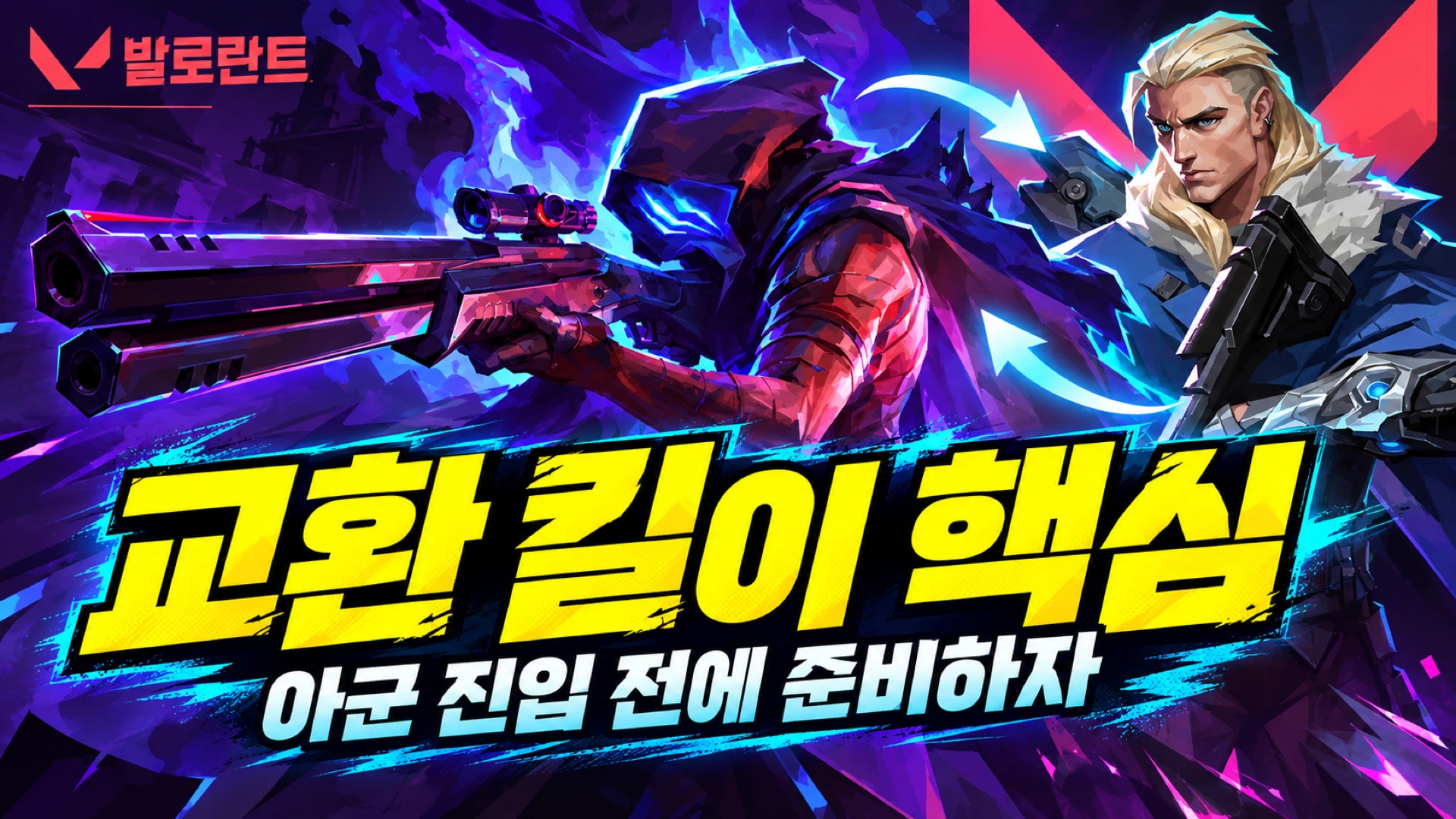
A trade kill quickly removes the opponent who killed your teammate, answering the loss in numbers.
Starting to move only after the teammate dies may be too late. The enemy can escape into cover or change angles, forcing another unfavorable duel.
Before the entry, ask:
‘If my teammate fights here, can I immediately see the same enemy?’
If the entry clears right while you sit behind a wall holding utility, moving together has not made a trade possible. A ready weapon and usable shared angle let you follow through on first contact.
Do not hug them so tightly that one spray or area ability hits both players. Adjust spacing to the choke and cover rather than memorizing a fixed distance.
A Simple Trade-Preparation Sequence
- Identify who enters first.
- Know which angle they will clear.
- Have your weapon ready and secure a follow-up sightline.
- When contact happens, avoid unnecessary turns toward an unrelated angle.
Turn the entry’s contact into an opportunity the team can use.
2. Time Recon, Flashes, and Smokes with Movement
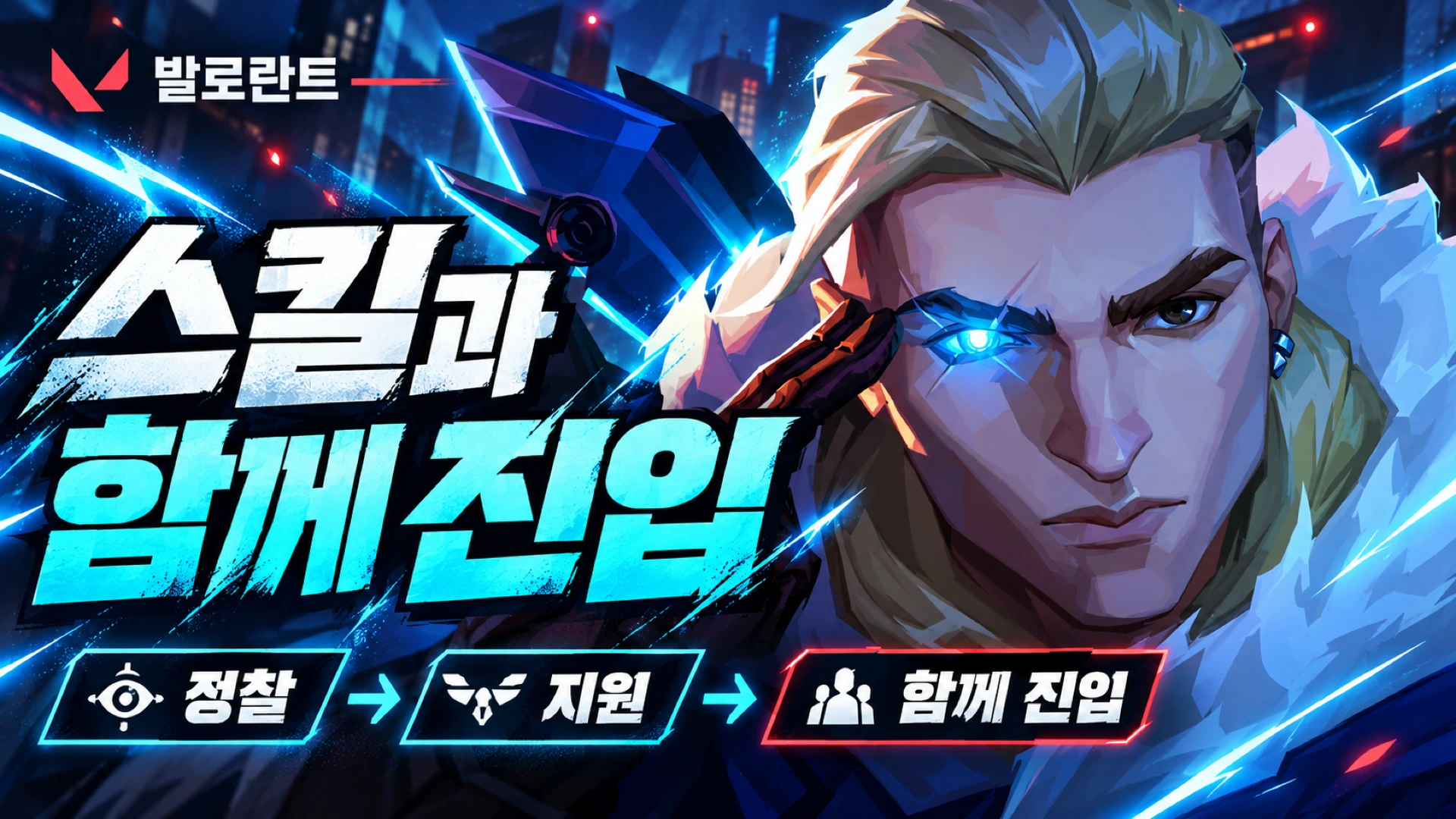
Even good utility loses value when nobody can act on it.
A flash pops without an entry, smokes land after the team crosses, or recon reveals someone while teammates remain too far away.
Treat utility and entry as a connected action.
Information tools such as Sova’s Recon Bolt inform the approach, but one reveal does not guarantee a safe hit. Other sightlines and unchecked corners can remain.
Use a framework like this:
| Step | Check |
|---|---|
| Gather information | Confirmed enemies and still-uncleared space |
| Block sightlines | Exposed directions and needed smokes |
| Support the entry | When the flash or other support activates |
| Follow up | Who follows the first player |
| Take space | Controlled areas and angles still needing a clear |
The order need not be identical every round. The important part is shared timing.
‘Swing when my flash pops’ gives a clearer next action than only ‘flashing.’ The entry should also confirm support is ready before exposing alone.
3. Read Patterns Without Turning a Guess into a Callout
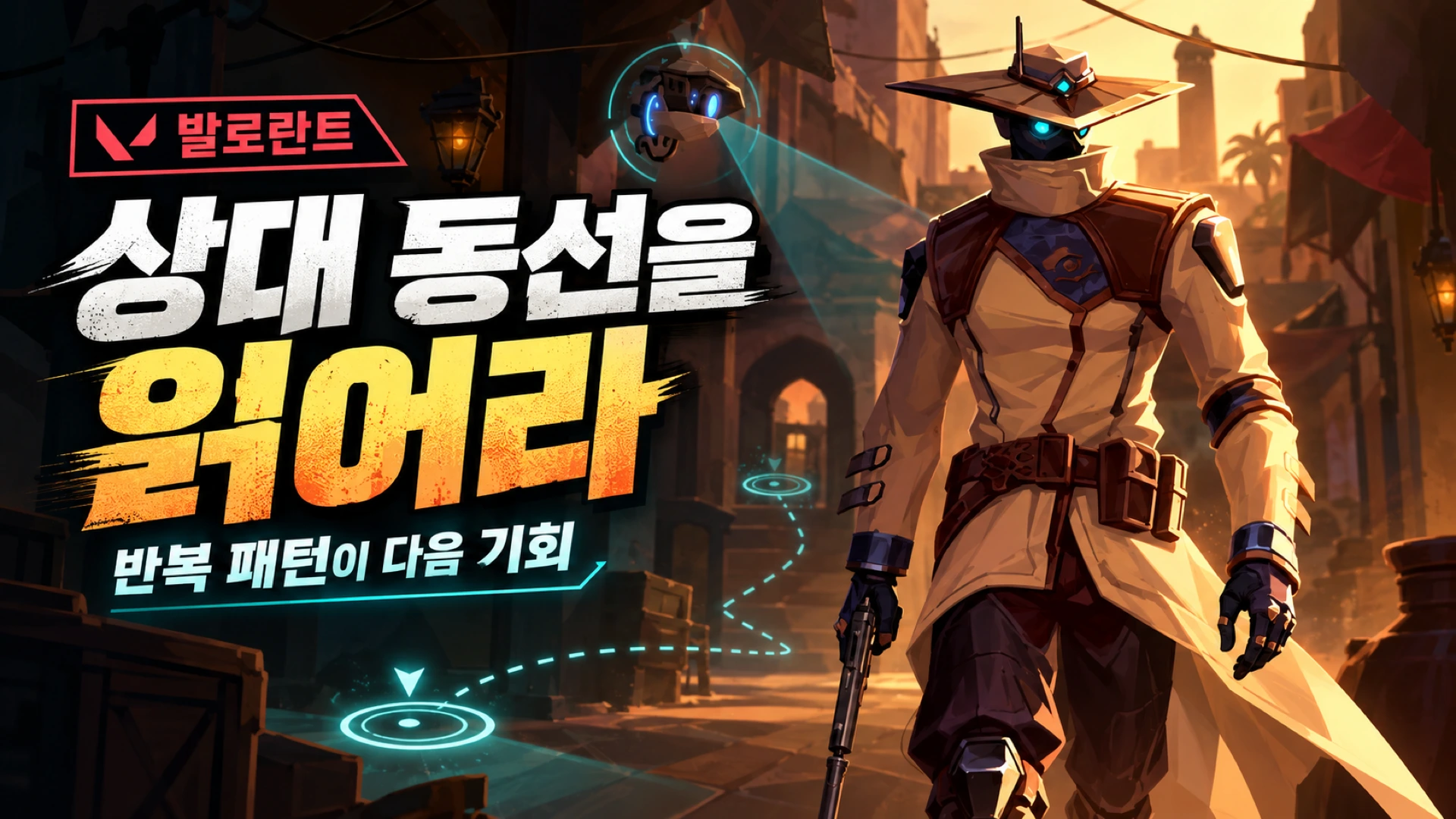
Ranked opponents often repeat comfortable habits.
They may take the same early duel, place recon in one area, or check a flank on similar timing. Remembering those patterns helps plan the next round.
If an opponent repeatedly peeks Mid, consider:
- Preparing that angle from nearby cover.
- Using information utility to confirm their return.
- Taking a trade-ready position with a teammate.
- Avoiding first contact there and taking other space.
But a previous-round pattern supports a prediction, not proof of the current position.
‘One Mid’ is different from ‘They pushed Mid last round.’ If you have not confirmed the current position, label it as a possibility so teammates do not act on false certainty.
Reading opponents also means checking fresh information and adapting when the prediction fails, rather than staring at one position indefinitely.
4. Keep Calls Short: Location, Count, Next Action
Long explanations are hard to process during a fight. Concise, useful information helps teammates act.
A basic format is location → confirmed count → next action. Include only the parts relevant to the situation.
| Situation | Example Call |
|---|---|
| Enemies directly seen | ‘Two B Main.’ |
| Audio only | ‘Steps Mid, count unknown.’ |
| Support utility ready | ‘Flash ready. Swing on the pop.’ |
| Support unavailable | ‘No flash. Let’s get info first.’ |
| Dividing post-plant angles | ‘I’ve got the Spike; hold the entrance.’ |
Say when the count is unknown, and do not present an old sighting as a current position.
After dying, prioritize information for surviving players: last location, confirmed damage, and Spike position. Save lengthy feedback for after the round.
5. Post-Plant: Hold Positions That Can Protect the Spike
After taking site and planting, the objective changes: make the defuse difficult.
Chasing another kill and dying far away can leave too few players able to protect the plant, even from a favorable position.
Check three things:
- Spike position: can you detect or punish a defuse from here?
- Teammate positions: can you cover different routes while supporting contact?
- Remaining utility: can it delay the retake or defuse?
With a numbers advantage, check support before opening a solo duel. That helps preserve the lead.
Hiding forever is not automatically correct either. If nobody can check the plant or enemies can take nearby space freely, you may need to contest an area. Use the clock, player count, utility, and plant position together.
When Coordination Breaks Down, Make the Plan Smaller
Five precise roles are difficult to coordinate in solo queue. Teammates may make different decisions despite a long explanation.
Reduce the number of requested actions.
Start with a two-player request such as ‘Hold this angle with me’ instead of asking everyone for a simultaneous rotation and hit.
- Prepare to trade one nearby teammate.
- Check support utility before entering.
- Call confirmed information briefly.
- If nobody follows, adapt to the positions teammates actually hold.
Repeating a failed hit without changing conditions repeats the same problem. Pick one change for the next round: entry route, support timing, or follower count. That also makes feedback more specific.
Ranked Teamplay FAQ
Can Better Decisions Help if My Aim Is Weak?
They can reduce unfavorable duels and create fights with support. You still need shooting skill to finish those fights, so apply these habits alongside aim practice.
Must I Always Stand Directly Behind a Teammate to Trade?
The priority is seeing the same enemy quickly. Too close can get both players killed; too far can delay the trade. Adjust to terrain and entry direction.
What Should I Practice First in Solo Queue?
Choose one nearby teammate and check whether you can support their contact. Add short, accurate calls to make that habit easier to use.
What Should I Review After a Match?
Look beyond kills to the actions after first contact. Did you support the fight, match utility to movement, and avoid isolated exposure after gaining numbers? Those questions point to the next change.
Five Checks for the Next Ranked Game
No single strategy guarantees a win. Consistent checks still make rounds less aimless.
- Were you ready to trade the entry?
- Did support utility match entry timing?
- Did you distinguish an old pattern from current information?
- Did your call give a teammate a useful next action?
- Could your post-plant position respond to the Spike?
Ranked teamplay connects the opportunities teammates create. Rather than perfecting all five habits immediately, start with helping finish your teammate’s first fight.
Regional and version notes
This guide uses US English terminology. The drills and tactical examples are practice frameworks, not a guarantee of rank improvement. Mouse-and-keyboard inputs refer to PC and may differ from console controls. Some illustrations are retained from the Korean edition and may include Korean labels. Use the English article text for instructions.
Localization sources checked October 22, 2026 (Korea time):