

Hush is VALORANT’s revealed telekinetic Duelist, redirecting projectiles and disrupting enemy positions. Her silver hair and violet eyes stand out, but the gameplay hook is combining a flash, displacement, and movement to open a fight.
Read the kit through positioning and timing rather than damage alone. It can make a defender’s cover less comfortable and create a moment for the team to move. Remote weapon and Spike retrieval adds another round-management option.
This is a preview based on the revealed kit, not a hands-on test or live tier assessment. For decisions requiring exact costs, range, or duration, use final official notes and the playable client once available; those values are not established here.
Hush’s Look and Telekinetic Theme

Silver Hair, Violet Eyes, and a Heavy Silhouette
The reveal presents Hush as a Duelist from Guangdong, China. Long silver hair and a straight fringe contrast with dark, armor-like clothing. Violet eyes and energy around her hands reinforce a controlled, imposing presence.
Bright hair against heavy equipment is a distinctive part of the design. Softer facial lines contrast with sharp gear shapes. Whether the style appeals is personal, but the color and silhouette make her recognizable.
A Duelist Who Disrupts Positions to Open Space
Duelists initiate fights and create room for teammates. Think of Hush as adding pulls and lifts to that space-taking job.
Against an opponent behind a box, utility may offer an alternative to a straight duel. A flash followed by movement could create a new angle. These are ideas inferred from the revealed effects, not verified map-specific setups.
Hush’s Revealed Kit at a Glance
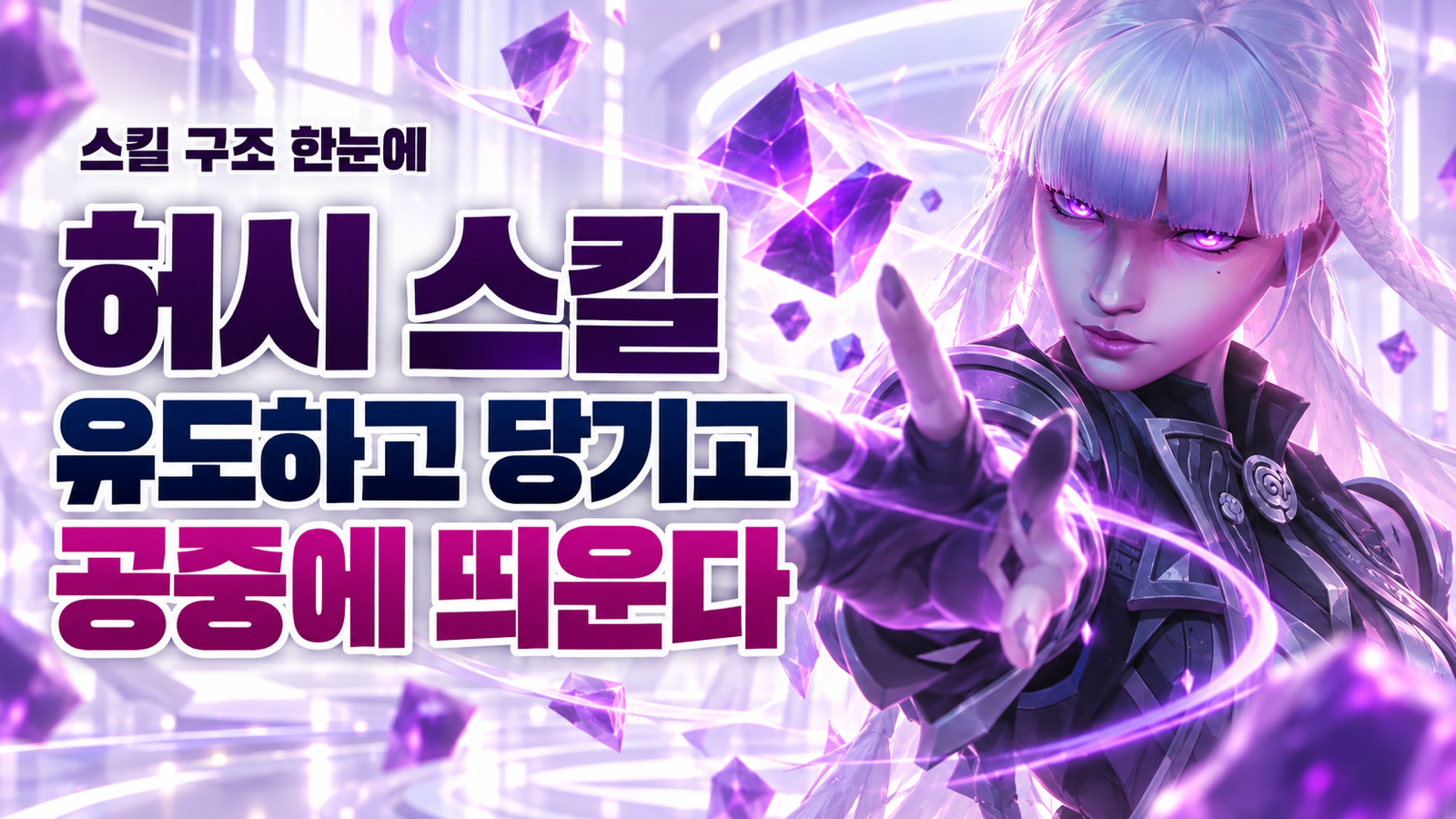
The kit covers remote interaction, pulling, flashing, movement, and an area lift. Names below use English terminology; key labels refer to the default PC layout.
| Ability | Slot | Revealed Effect | Decision Point |
|---|---|---|---|
| Telekinesis | Passive | Interact with dropped weapons, the Spike, and switches from farther away | Interaction position and exposed sightlines |
| Displacement | E | Projectile explosion pulls nearby players; collisions can concuss | Detonation point and surrounding geometry |
| Flashbulb | Q | Blinds players looking at the detonation | Explosion position and teammate sightlines |
| Flow | C | Create an anchor, then move toward it | Landing position and timing before and after movement |
| Suspension | X | Detonate guided energy to lift players in the area | Coverage and teammates’ follow-up |
Telekinesis: Interact from Farther Away
The passive extends interaction range for weapons, the Spike, and switches. It may reduce how far you must expose yourself to retrieve an object.
Think of recovering a dropped rifle after a fight or a Spike lying in a dangerous angle. Do not assume this means unrestricted retrieval through walls or stealing an enemy’s held weapon. Check whether the specific interaction is valid.
Displacement: Pulling and Collision-Based Concussion
The revealed Displacement projectile can be thrown and reactivated toward the crosshair. It explodes on impact or after a delay, pulling nearby players toward the center. Being pulled into a surface or another player causes concussion.
Remember that the pull and concussion have different conditions. Landing a pull does not guarantee the same crowd-control result every time. Nearby geometry and player spacing matter.
The revealed signature ability refreshes after two kills. Focus on using the first charge to create a favorable fight rather than overextending solely to chase a reset.
Flashbulb: Redirecting the Flash
Flashbulb can be thrown or prepared; a thrown projectile can be redirected toward the crosshair. Its impact or delayed explosion blinds players looking at it.
The detonation point is the key decision. Aim for a likely enemy view without also flashing the teammates entering. Learn who swings after the pop, not only how to steer the projectile around a corner.
Flow: Movement Toward an Anchor
Flow creates an anchor and propels Hush toward it after a brief delay. Using it airborne includes a short hover in place.
Judge where the movement ends. Closing distance can still be bad if the landing exposes several sightlines before you can fight. Check cover before and after the move. Airborne movement does not imply invulnerability or unrestricted flight.
Suspension: Lifting Players in an Area
The revealed ultimate sends energy forward, steered with the crosshair. Reactivating or firing again detonates it to lift players in the affected area.
The apparent value is not only restricting movement but creating a follow-up shooting opportunity. Because the description refers to players, account for teammates too. Exact coverage and restrictions need confirmation rather than assumption.
Entry Ideas and Team Coordination
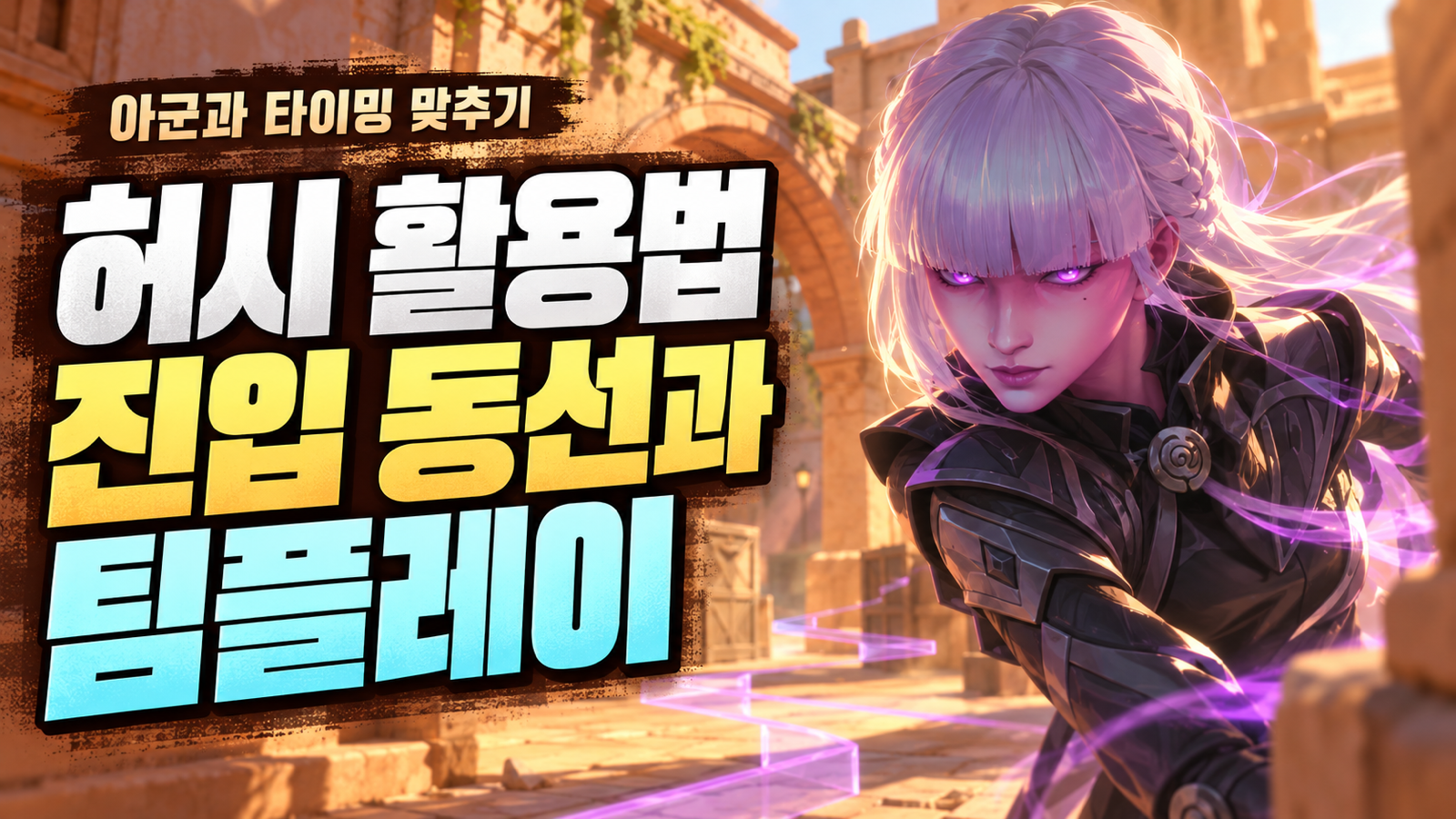
Hush’s teamplay begins with having the team act on the same timing rather than stacking every ability. The following are practice ideas derived from the reveal.
Connect Utility to Movement on Entry
Confirm teammates are ready before disrupting defenders’ vision or positions. A solo flash-and-movement sequence may create an opening nobody else can use.
Start with one route: choose the flash detonation, your landing point, and the follow-up angle. Add a pull against common holds after that foundation. Learn separate tools in context rather than one mandatory all-ability combo.
On Defense, Create a Better Fight Instead of Always Pushing
Consider disrupting enemies as they enter a choke or using flash and movement for an unexpected angle. Defensive value does not require constantly moving forward.
Keep an escape route after utility use. Surviving first contact lets you join a retake and reuse remaining tools with the team.
Coordinate with Smokes and Information
Before looking for a named agent combo, fill the needed roles. Can the team smoke long sightlines during your entry, and can it locate defenders first?
Information helps choose the pull location, while nearby teammates can capitalize on a flash or ultimate. These are reasonable starting ideas, not enough evidence to declare a best-in-slot composition.
Learn the Inputs in Separate Steps
Once playable, use the Range or a custom game to learn throwing and redirecting first. Then test impact positions, detonation timing, and safe movement destinations separately.
With a friend, compare flash exposure and avoidance. Test the pull and ultimate around teammates too, so their interactions do not become a ranked-round surprise.
Counterplay and FAQ
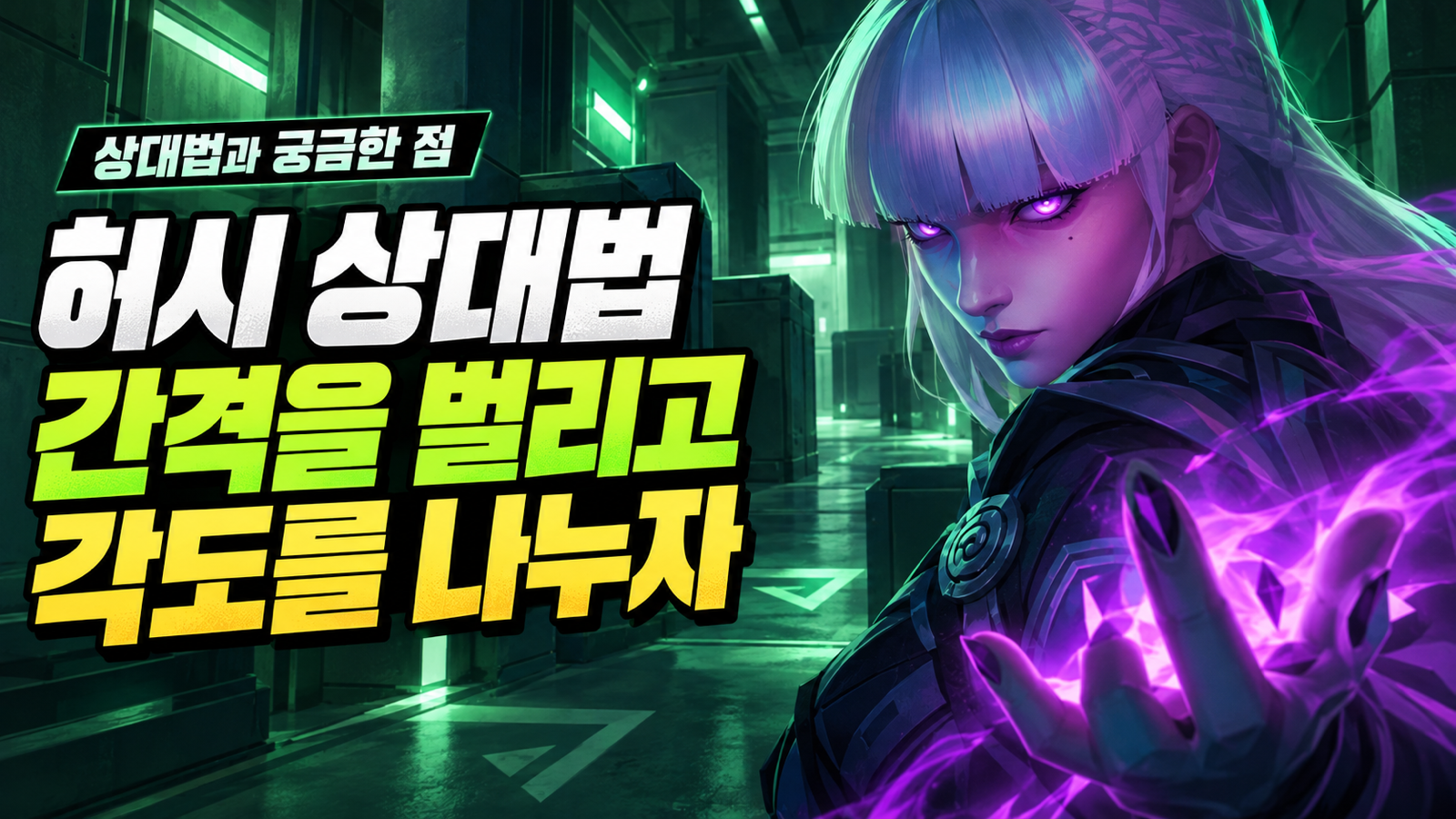
Avoid Stacking Everyone Behind the Same Small Cover
Reduce the chance of several players taking one area-control effect. A pull can concuss players through collisions with one another, so inspect tightly stacked cover positions.
Keep spacing without losing trade support. You want to avoid a shared effect while remaining able to respond when the nearby teammate fights.
Track Projectile Redirection and Possible Landing Angles
Do not judge the detonation only from the projectile’s initial direction. Leave room to turn from a recognized flash or reach cover.
Against movement, check possible arrival angles as well as the departure point. Divide attention with teammates so staring at one destination does not expose you to the following enemy.
What Role Is Hush?
Duelist. Understand the positional control as a way to create fights and entry space.
Can Hush Steal a Gun from an Enemy’s Hands?
The passive concerns dropped weapons and the Spike at longer range. It does not describe stealing a held weapon.
Do Her Abilities Require Teammate Awareness?
Yes. The flash affects players looking at it, and the pull and ultimate are described in terms of players. Coordinate locations and timing instead of layering utility blindly onto an ally who has already entered.
Will Hush Be Easy for Beginners?
The effects may be understandable, but steering utility, moving, and coordinating timing together likely require practice. Start with one reliable flash position and one safe movement route rather than a complex combo.
Is Hush Guaranteed to Be Strong?
A revealed kit alone cannot establish a tier or mandatory-pick status. Range, activation timing, cost, and counterplay affect real performance. Begin by asking where you want the opponent to move and which angle you will fight from at that moment. That connects the telekinetic theme to a concrete plan without assuming a proven meta.
Regional and version notes
This is a pre-release kit preview based on the original article and the October 18 reveal context, not a hands-on test. The official news feed confirms the reveal; the linked trailer is not a complete numeric ability specification. Exact costs, ranges, durations, and final interactions should be checked against launch notes and the playable client. Tactical suggestions are inferences, not proven map setups. Some illustrations are retained from the Korean edition and may include Korean labels. Use the English article text for instructions.
Localization sources checked October 22, 2026 (Korea time):