

An opening Lotus kill can still lead to a stalled entry or a death to a push during rotation. Review aim alongside the space your team controls and the distance needed to fight together. Those checks help choose between continuing the hit and changing direction.
The framework is simple: pressure together when the entry is ready; consider rotating when information elsewhere supports it. An opening numbers advantage survives only if teammates can support the follow-up fights.
This article analyzes supplied Lotus gameplay examples for Jett entries, target changes, defensive coverage, and double swings. It focuses on conditional decisions, not a patch-specific win rate.
Rush or Rotate on Lotus?
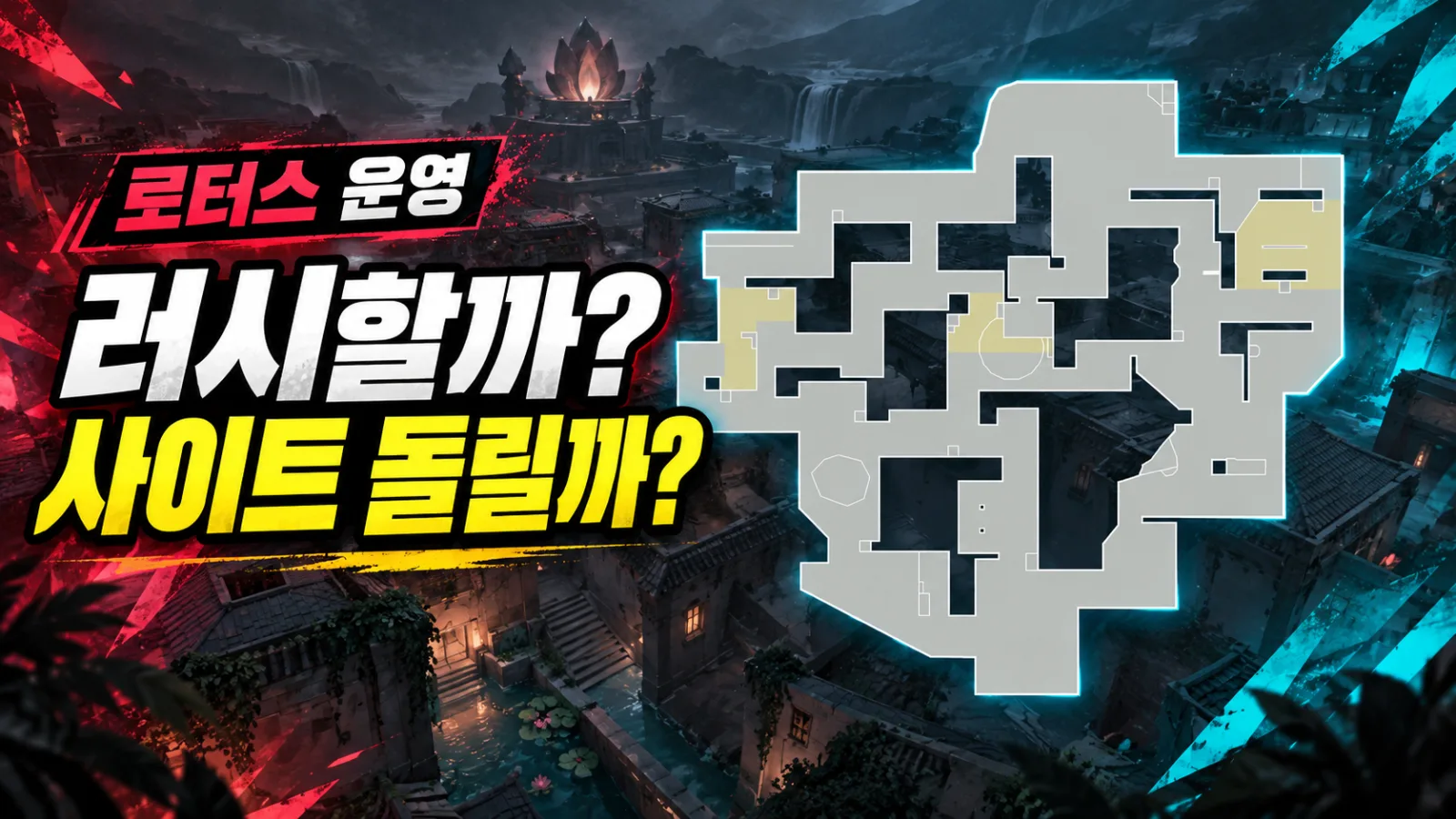
A blocked attack makes another site tempting. If nobody checked the route, rotating can simply introduce a new threat.
Being grouped also does not require forcing a fully prepared defense. Compare the current entry conditions with the evidence supporting a move elsewhere.
| Current Situation | Action to Consider | Required Check |
|---|---|---|
| Team grouped with entry utility ready | Fast shared entry | Can the follow-up arrive immediately? |
| Opposite-side teammate controls space | Rotate through that route | Route safety and clock |
| Defenders and utility concentrated on one site | Change target | Information about the other defense |
| Post-plant numbers advantage | Maintain cover and crossfires | Can teammates answer the defuse together? |
| A teammate makes first contact | Support or trade | Do you have a shot at the same opponent? |
The condition beside each action matters. ‘Many enemies here, so rotate’ is incomplete without checking where you can move safely.
Before Attacking, Check Positions and Follow-Up Distance
All Five on One Side Can Mean No Information Elsewhere
Grouping concentrates pressure but makes enemy pushes in abandoned areas harder to detect.
If the hit stalls, consider both threats: reinforcements reaching the target site and a pushed defender holding your return route.
Ready utility and nearby followers can justify accelerating before more defense arrives. Without a viable entry, reclear the rotation path and rebuild the attack instead.
Before rushing, check the minimap:
- How far forward are teammates?
- Is anyone checking the opposite side?
- Can they join the fight immediately after your entry?
Nearby Does Not Always Mean Trade-Ready
When a teammate peeks, check whether you can see the same opponent. A wall or smoke can block support even from directly behind.
Trading quickly answers an enemy exposed by contact with a teammate. Without the distance and angle, you arrive after that enemy reaches cover.
Maintain both useful spacing and a usable firing sightline. Practice finishing the team’s first fight alongside finding your own opening kill.
A-Site Hits: Connect the Rotating Door to Actual Movement
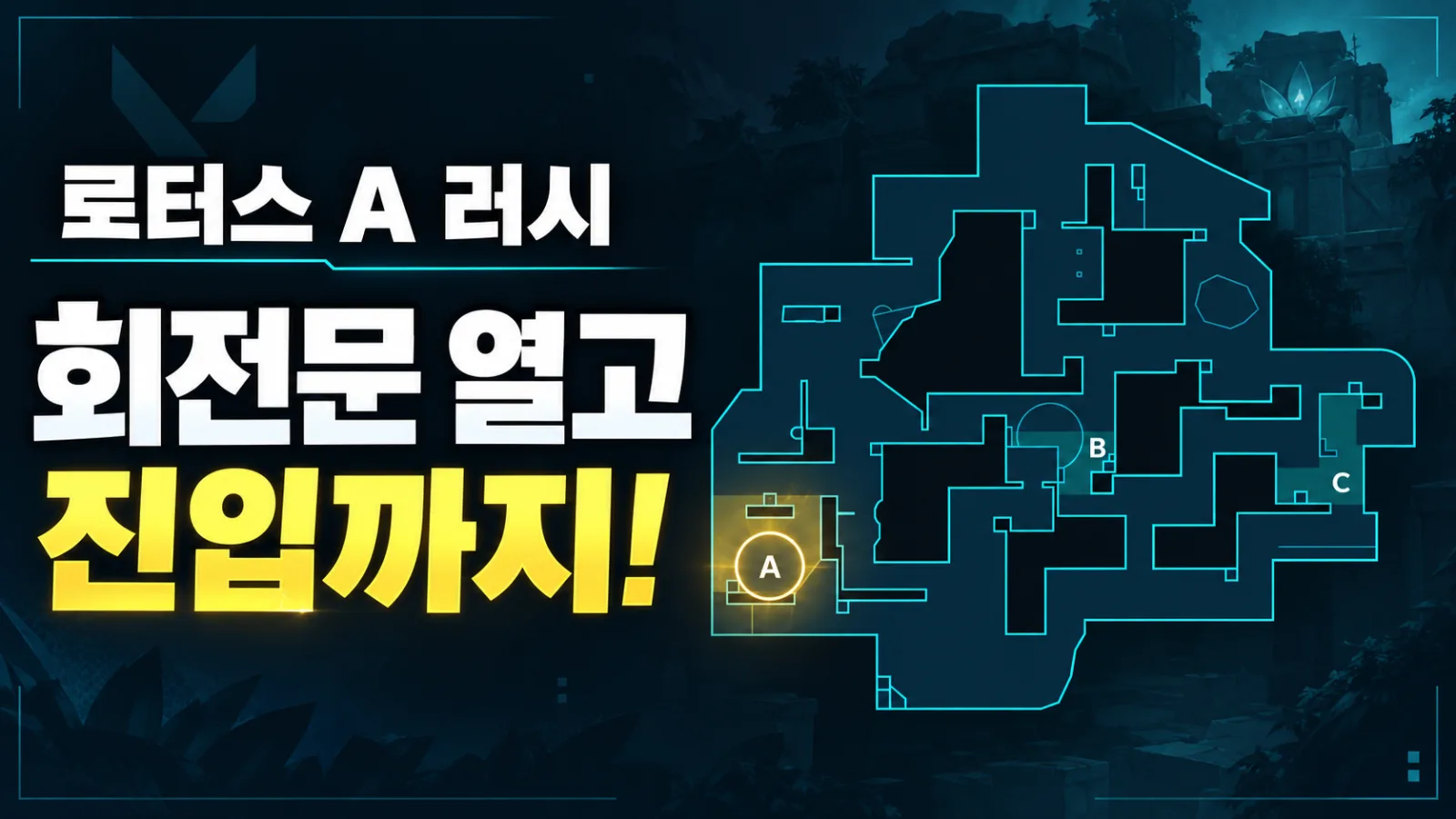
Opening the A Tree door adds a possible threat for defenders. It does not guarantee their attention goes where you want.
A delayed entry after the door gives them time to reposition or reinforce. Use the interaction as part of team movement.
On Jett, focus on creating space teammates can advance into. Smoke one sightline and open another angle as teammates apply pressure.
Before entering:
- Identify the team’s pressure direction.
- Choose the sightline to block.
- Match door use with forward movement.
- Create room for teammates to follow.
Check repeated routes too. Consistent Tree entries can draw stronger defense. Adapt to what opponents have seen and how they actually respond.
Rotate from Information, Not Only Frustration
Explain why another site is better, not only why this one feels difficult.
Extra defenders and utility suggest other coverage may be thinner. That remains an inference until confirmed. Do not run as though the opposite site is proven empty.
Opening the door can suggest a continued hit before changing direction. Do not assume the fake worked; keep checking pushes and blocked routes while moving.
A rotation remains adjustable after departure. A teammate taking contact ahead may reveal the movement to defenders.
Reassess the route when new contact occurs. The goal is a favorable decision from current information, not reaching the original destination at any cost.
Post-Plant: Preserve the Numbers Advantage Together
Defuse Coverage Comes Before Another Kill
Peeking alone one after another gives a disadvantaged defender a chain of isolated duels.
Use cover and mutually supporting positions. The opponent must approach the Spike; respond together to that movement.
Hiding alone is not automatically good post-plant play. Adjust if nobody can check the defuse or support contact.
Give the next peek a purpose:
- Am I stopping a defuse?
- Am I supporting a teammate’s fight?
- Am I chasing one more kill without support?
If it is only the last, reconsider whether this exposure is needed.
Choose Walking or Running Around Support Timing
Footsteps reveal movement and possible rotations. Quiet movement can delay that information.
But immediate support may matter more than silence if a teammate is already fighting.
Treat enemy audio similarly: a last-known clue, not permanent location. Hearing one route does not clear all the others.
Defense: Divide What You Cover
Trying to watch every angle yourself can get you caught while turning. Separate maintained teammate coverage from unknown space.
If B remains covered, support C contact or take another threat instead of repeatedly checking the same lane.
Coverage is not permanent. If the B player moves or fights, reassess who watches that route.
Separate sightings from guesses in calls. Not seeing enemies on A or C does not prove B. ‘Could be B’ communicates the uncertainty.
Useful short calls include:
- ‘One right.’
- ‘I’ll swing first.’
- ‘Swing with me.’
- ‘B is uncovered.’
Do not guess a damage number. Confirmed positions and movement are already useful information.
Double Swings Need More Than a Shared Start Signal
The aim is to make one opponent answer two overlapping threats.
Even at the same door, overlapping paths can block movement or turn simultaneous starts into sequential fights.
| Failed Coordination | Adjustment |
|---|---|
| Players overlap on one route | Separate movement paths |
| Second player appears after the first dies | Match exposure timing |
| Only one player can see the enemy | Give both players usable shots |
| No clear first-mover role | Assign the entry and a short call |
One player can swing wide while the other takes a separate firing lane. The teammate must actually be able to shoot while the wider player is exposed.
If Jett takes the first swing, check Tailwind or another exit tool. An escape does not justify separating so far that the shared fight disappears.
A concise call might be:
‘I’ll go wide. Swing on three.’
Confirm readiness as well as counting. The objective is overlapping shots in the same fight rather than obeying a countdown without usable angles.
FAQ
Must Jett Always Go First?
Space creation matters, but entering without ready utility and follow-up can isolate you. Judge the timing the team can use, not just entry order.
Should a Blocked Site Always Trigger a Rotation?
Check opposite-side information, route, and time. If the area was abandoned, a defender may have pushed into it; reclear while moving.
Should I Avoid All Peeks While Ahead in Numbers?
Avoid unnecessary solo duels. Stopping a defuse or supporting contact may still require peeking. Check purpose and support first.
Is a Double Swing Just Two Players Sticking Together?
No. Avoid path overlap and ensure both can shoot the same opponent. Coordinate who goes wide and when both apply pressure.
Next round, check the minimap before entry and share one sentence about roles before contact. Start by asking ‘If I swing now, who can fight with me?’ That turns positioning into a concrete teamplay decision.
Regional and version notes
This article analyzes supplied Lotus gameplay rather than claiming our own match results. Tactical decisions depend on current layout, abilities, information, and teammate positions; the guide does not establish a live win rate. Some illustrations are retained from the Korean edition and may include Korean labels. Use the English article text for instructions.
Localization sources checked October 22, 2026 (Korea time):