

A PUBG pro's mechanics are immediately striking: snapping onto an enemy and transferring fire to the next target can look impossible to copy. But if you're studying that footage to improve, watch what happened before the shooting started too.
Reaction speed and recoil control matter. The more transferable lesson is the sequence: where to look, which angle to block, when to take cover, and what to wait for as teammates catch up. Those decisions change a fight without changing your aim. This guide focuses on squads in PUBG: BATTLEGROUNDS on PC.
Study the moments before the target appears
Starting a clip when the enemy appears makes everything look like hand speed. Crosshair placement changes how far you need to move. Watching a likely window gets you ready sooner than looking at the ground and having to raise your aim.
Pre-aiming doesn't mean knowing an unseen enemy's exact position. It means preparing around plausible exits: doors, windows, and rock edges. Gunshots, footsteps, and teammate pings help narrow the area that deserves attention.
Your prediction can be wrong, and watching one direction too long can hide a flank. Practice crosshair placement alongside checking your surroundings. Look at what information the player had and which angles they covered before copying the final flick.
Treating mechanics as innate reaction speed makes practice vague. Separate an inaccurate first aim, poor tracking, and recoil climbing during a spray. Different errors need different work; a sensitivity change won't solve all of them.
Why copying a solo-versus-squad highlight is difficult
In a solo-versus-squad clip, watch the surviving enemies as much as the knock. Remaining health, ammunition, the next enemy's direction, and access to cover determine what comes next.
Opening a loot box immediately after a knock commits your screen and controls while another teammate approaches. Check the area and decide whether reloading or healing comes first. Chasing a finish also needs its own assessment if it exposes you to the remaining squad.
Changing an angle changes the lines along which you and an enemy can shoot each other. Hiding from one player can expose you to another window or ridge. One step beside cover and a long crossing outside it are very different risks.
An expert handles these decisions and inputs quickly. Start with shooting, taking cover, and checking the area instead of rushing at their speed. Making a squad wipe the practice goal can obscure the intermediate actions that made it possible.
Choose your retreat before your firing position
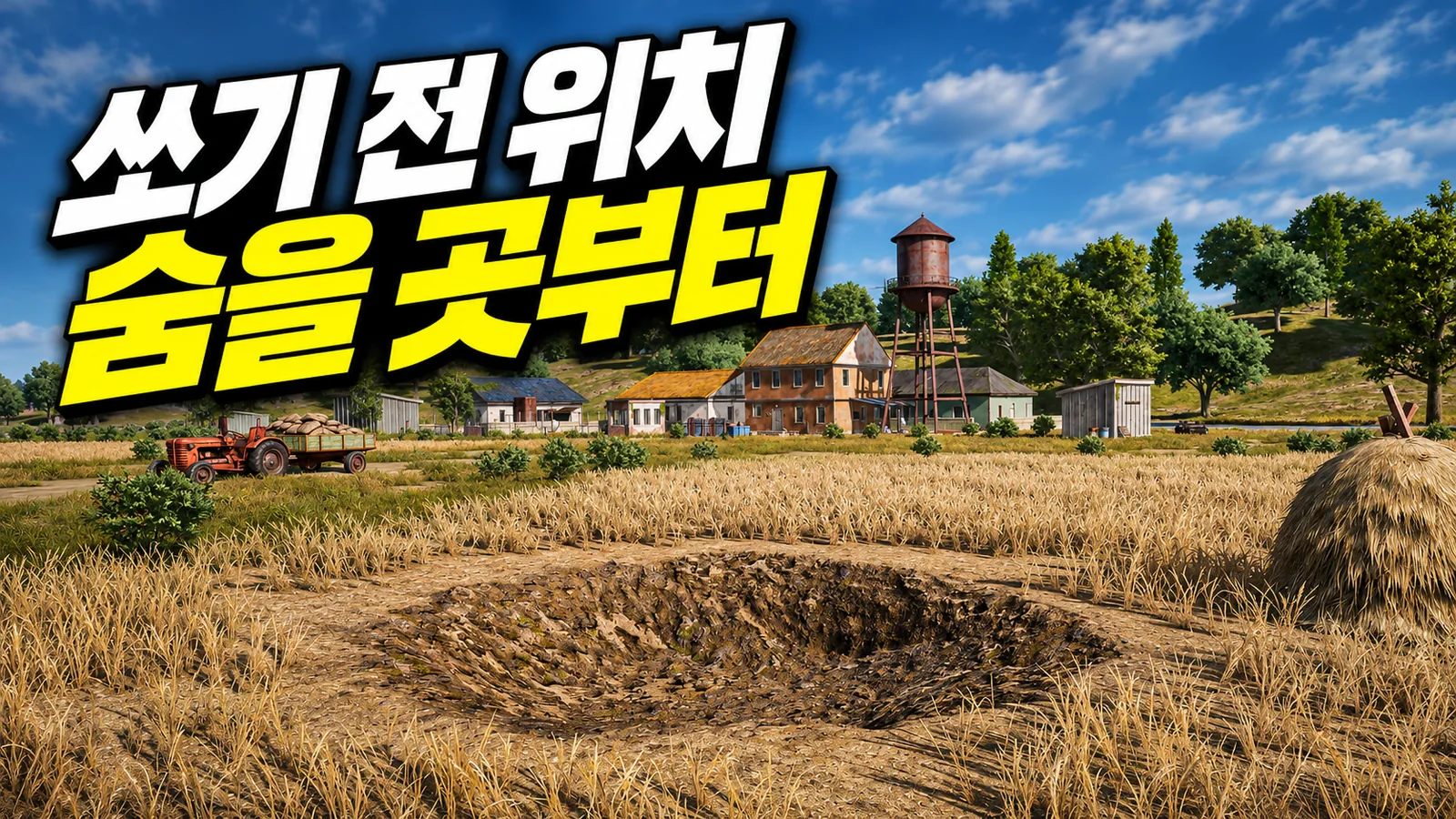
A good view doesn't automatically make a good firing position. A ridge top may expose your silhouette from the opposite side. A tree won't block two enemies firing from different directions.
Before shooting, decide where a step will break line of sight. Can you retreat behind a rock or drop below the terrain? Is that route exposed to someone else? A missed shot is easier to recover from when you still have a next move.
Include the Blue Zone in that calculation. If you're safe and the enemy must move, chasing over the ridge may be unnecessary. Hold their approach and shoot when they emerge, turning an uncertain pursuit into a direction you can watch.
Waiting isn't always correct. A distant next circle or another squad approaching your flank may force a rotation. Ask who currently has to move, rather than labeling play passive or aggressive. The same ridge changes value with the circle and nearby teams.
Squad calls work when they simplify the next task
Beginners face too many simultaneous tasks: find enemies, change weapons, track teammates, and choose a route into the circle. Conflicting calls make that workload worse.
A useful caller narrows the immediate action. When rotation is urgent, choose a direction; once positioned, identify a boundary not to cross and an angle to watch. Getting the squad ready to shoot together may matter more than everyone running toward a distant sighting.
Location calls need a shared reference. 'Right' means different things on different screens. 'One left of the rock on my yellow ping; I'll hold here' communicates both the target and your intended role.
Concise doesn't mean incomplete. 'Push' doesn't say who moves first or how far. Naming a destination—'Let's move together to that house's wall'—reduces mismatched movement. Explaining your entire thought process in an urgent moment can also miss the timing.
For a knocked teammate, check enemy sightlines and whether someone can cover before committing to a revive. Smoke obscures vision, not bullets. Throwing smoke, suppressing the enemy, and reviving need to work together.
Train aim and decisions separately, then connect them
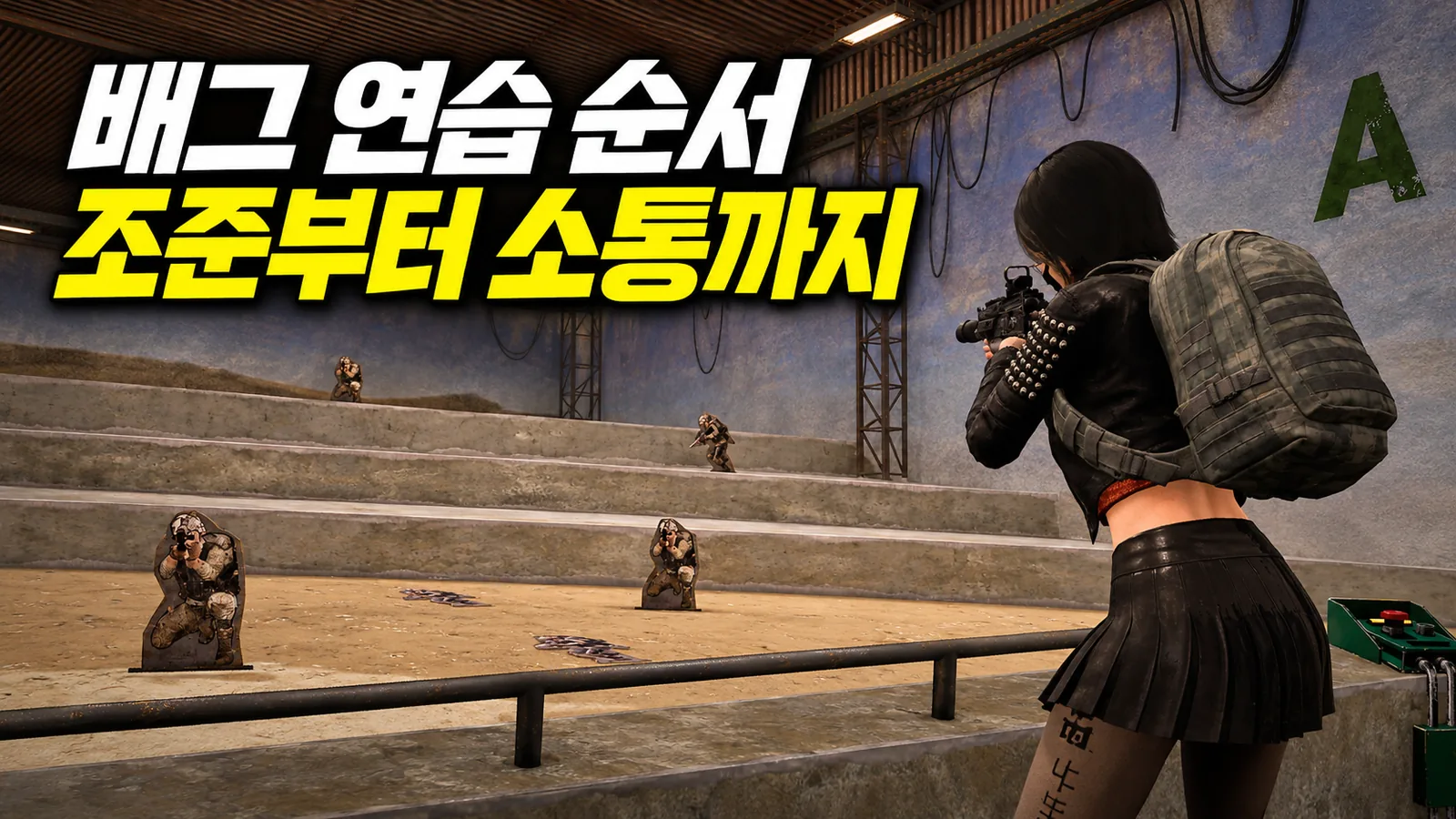
Separate learning inputs from choosing actions in a match. Update 42.2 rebuilt Basic Training as staged survival training, covering weapons and shooting, avoiding the Blue Zone, throwables, radio messages, and revives. It teaches a sequence of actions beyond hitting targets.
Use the Training Mode aim and sound facilities to practice target switching and identifying gunshot directions. Track error types before chasing scores: overshooting a target, delaying the first shot after moving your aim, or turning away from a sound.
For recoil work, keep the gun, attachments, and distance consistent and inspect your groupings. Then add actions such as lowering and raising your sights or switching targets. A long stationary spray and a brief burst followed by cover require different preparation.
As a squad, choose one agreement per match: attach pings to terrain calls, or include destinations in movement calls. Pick something you can review afterward instead of changing every habit at once. Separating shooting and communication practice reveals problems attachments can't solve.
Review the decision before the final magazine
If you only replay your last missed shots, every loss becomes an aim problem. Check whether you had separated from the squad, fought too long outside the circle, or moved past usable cover. Better aim might have won, but did you need to attempt such a difficult shot?
Add one situational note beside 'I missed': 'My teammates were watching another direction' or 'I had no retreat for reloading.' That leaves a change to make next match. Don't blame every loss on decisions either; genuine aiming errors belong in shooting practice.
Enjoy the pro's fast hands, but borrow the preparation behind them: a likely sightline, a retreat, and a call teammates understand. Those create opportunities to use your practiced aim. Before exposing yourself in the next fight, decide where you'll return after shooting.
