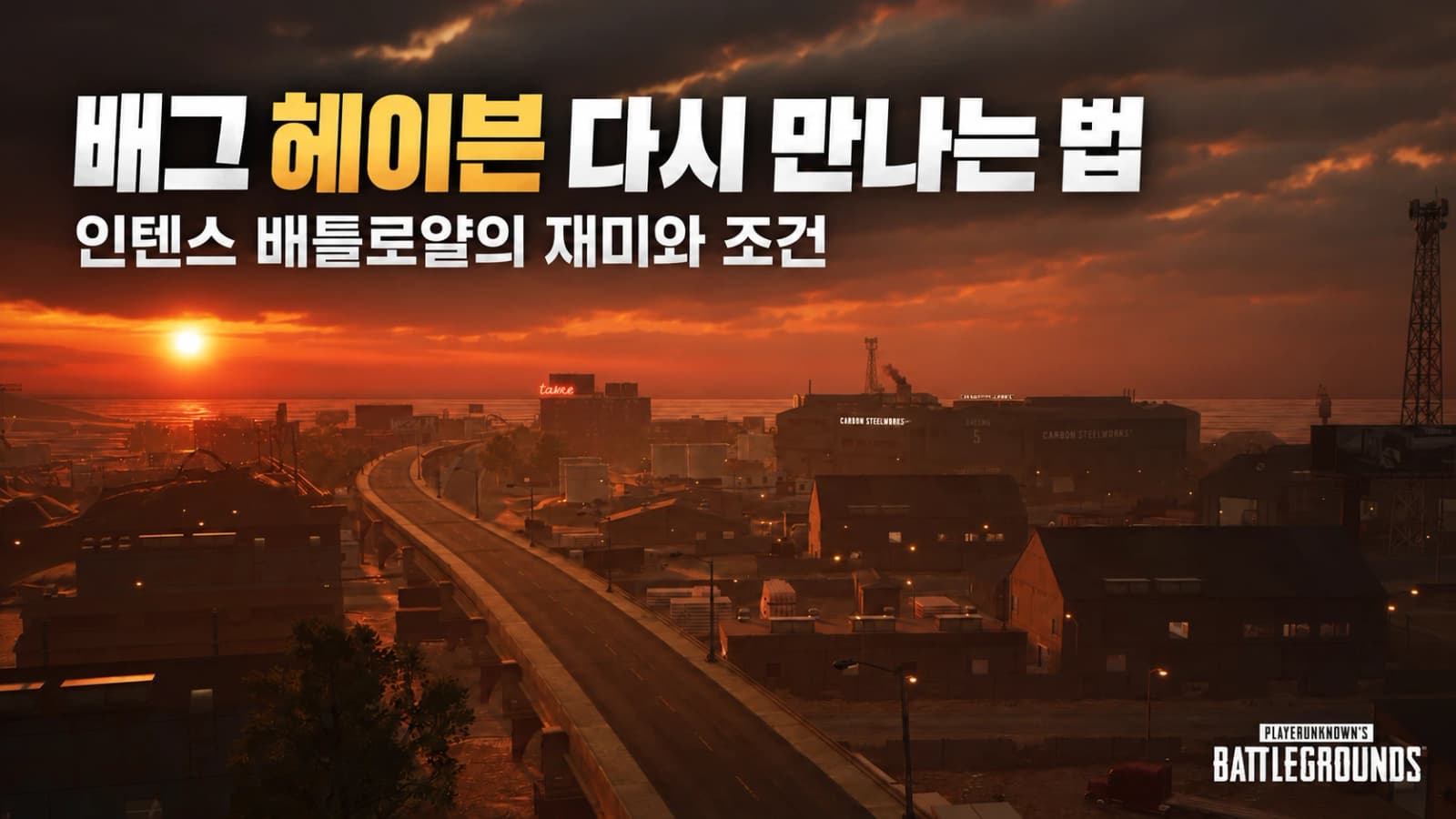

To revisit Haven, check Intense Battle Royale in Arcade. Update 42.1 added Haven to that mode’s pool, but it did not recreate the original match format. You encounter the city with IBR’s equipment and reduced-play-area rules. The interesting question is how dense urban terrain fits a shorter match, not only whether the scenery feels familiar.
Where Can You Play Haven?
Look under Arcade for Intense Battle Royale. This is different from selecting Haven as a standalone Normal Match map. The 42.1 notes also apply the IBR changes to Custom Match.
Public matchmaking is random: inclusion in the pool does not guarantee Haven every time. Waiting for a specific map can offset the convenience of a short match. The official information does not establish Haven’s exact allocation probability, so no number of queues guarantees it.
With a group, Custom Match is another option to investigate. Do not compare a host-modified lobby directly with public matchmaking: player count and play-area settings change the encounter pace. Check the room’s mode, map, and participant settings first.
Haven Was Not Simply Deleted and Then Restored
Haven debuted in December 2020 as a 1×1 km urban map, initially presented as a seasonal, duo-focused battlefield for up to 32 players. Its North American Rust Belt setting combines factories, residential buildings, docks, and an overpass.
The original map also featured Pillar forces, a scout helicopter, and a tactical truck, adding threats beyond other players. That is historical background, not a claim that every old NPC and supply rule carries into present IBR.
Its service history matters too. Haven was initially tied to Season 10, then Update 22.1 added it to Custom Match. Calling this its first return after complete deletion skips that history. The 42.1 change reuses Haven specifically within IBR’s rules.
IBR Gets You to Late-Game-Style Fights Faster
Intense Battle Royale starts with random weapons in an already reduced area. It cuts down the early looting and long travel of a standard match, but still requires choosing positions, movement timing, and which team to fight first.
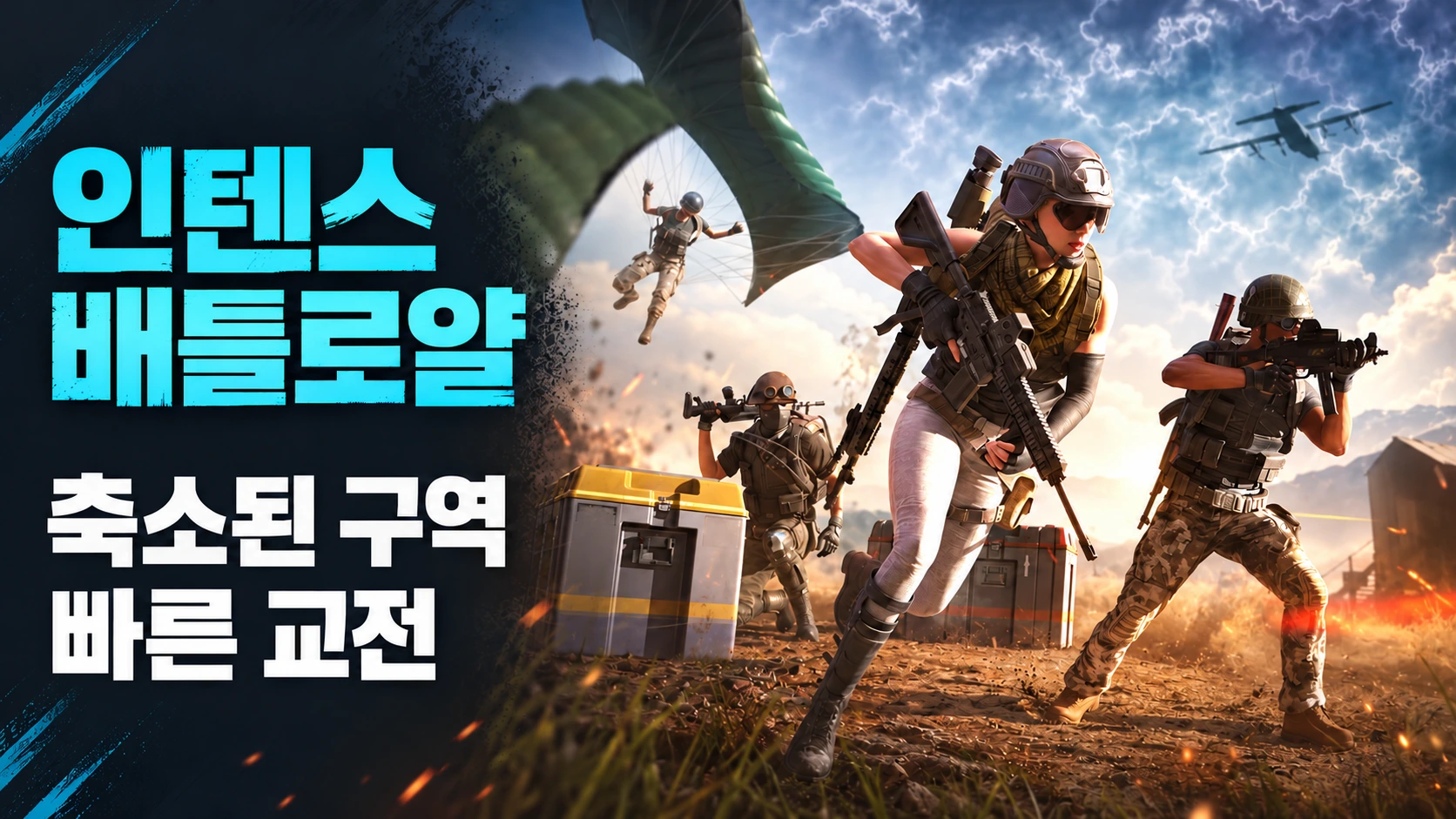
When Haven was added, IBR’s Blue Zone settings and default spawn kit stayed the same. Only motorcycles spawn, and Emergency Supply Drop contents are adjusted for the smaller map. The environment changes while the mode’s basic framework remains.
Random weapons are another defining tradeoff. They are inconvenient for repeating one specific gun, but useful for adapting range and positions to different equipment. Find the fight your current loadout supports rather than waiting for your favorite weapon.
IBR may fit a short battle royale session; Training Mode is more controlled for one gun’s recoil. It also does not replace practicing standard-match landing contests, loot routes, or long vehicle rotations.
Why Height and Exit Routes Still Matter on a Small Map
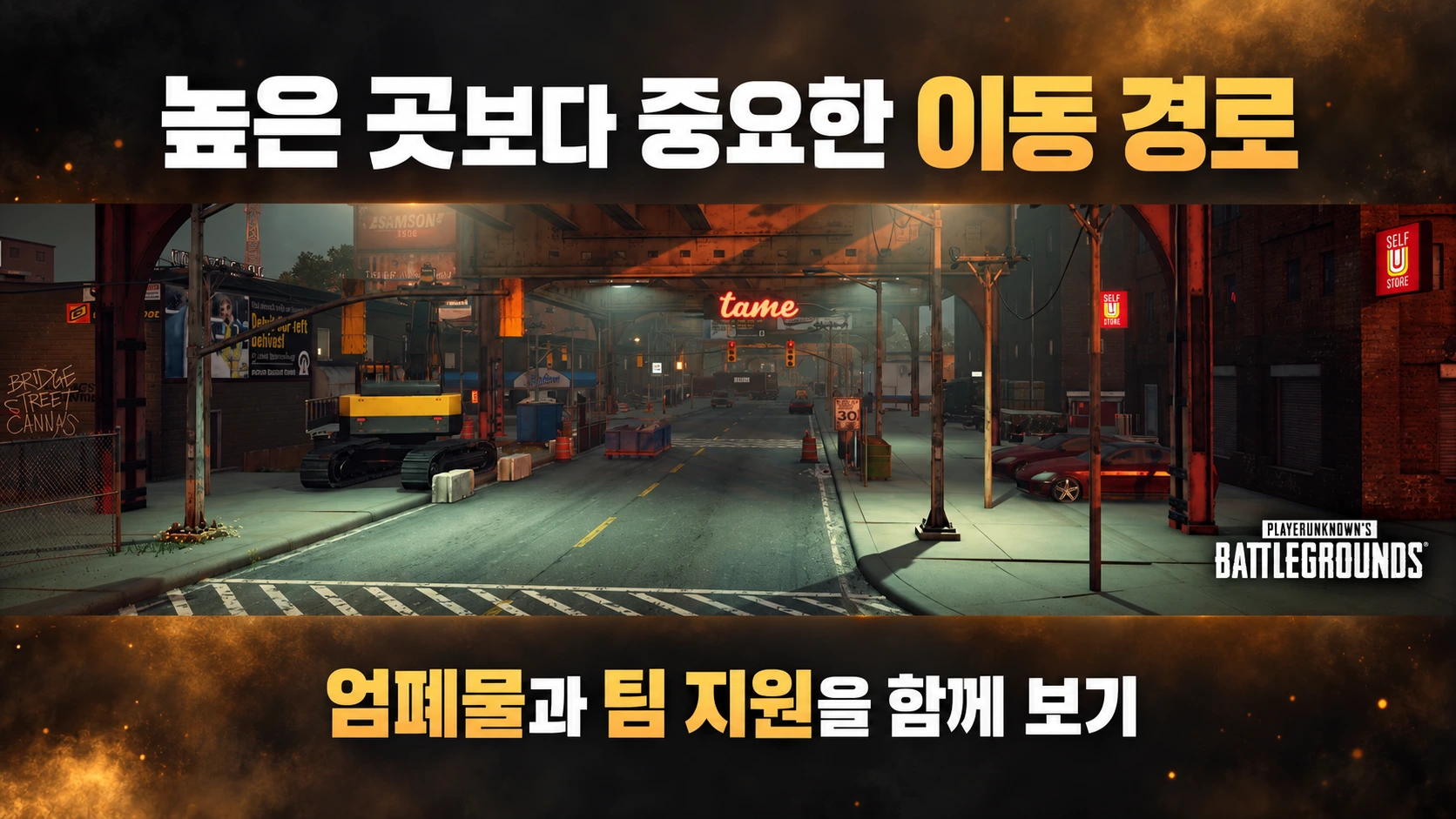
Haven’s small footprint does not make every fight simple. Alleys and interiors break sightlines; building height changes observation. Nearby points on a flat map can still require a stairway or road crossing. Exposure along the route matters as much as distance.
A tall building may offer information but a dangerous exit toward the next circle. A lower building with a short covered route may give more freedom to move. Judge how you leave a position alongside the view it provides.
Ask both ‘Where could I see an enemy?’ and ‘Who sees me when I leave?’ Splitting across floors or buildings creates angles but may delay a revive. Separate sightlines while keeping useful support distance.
Choose weapons with those distances in mind. Indoor close-range fights differ from shots across a road or into a high window. Decide how the team covers nearby entries and farther threats rather than declaring one gun universally correct.
Would More Players Automatically Improve the Mode?
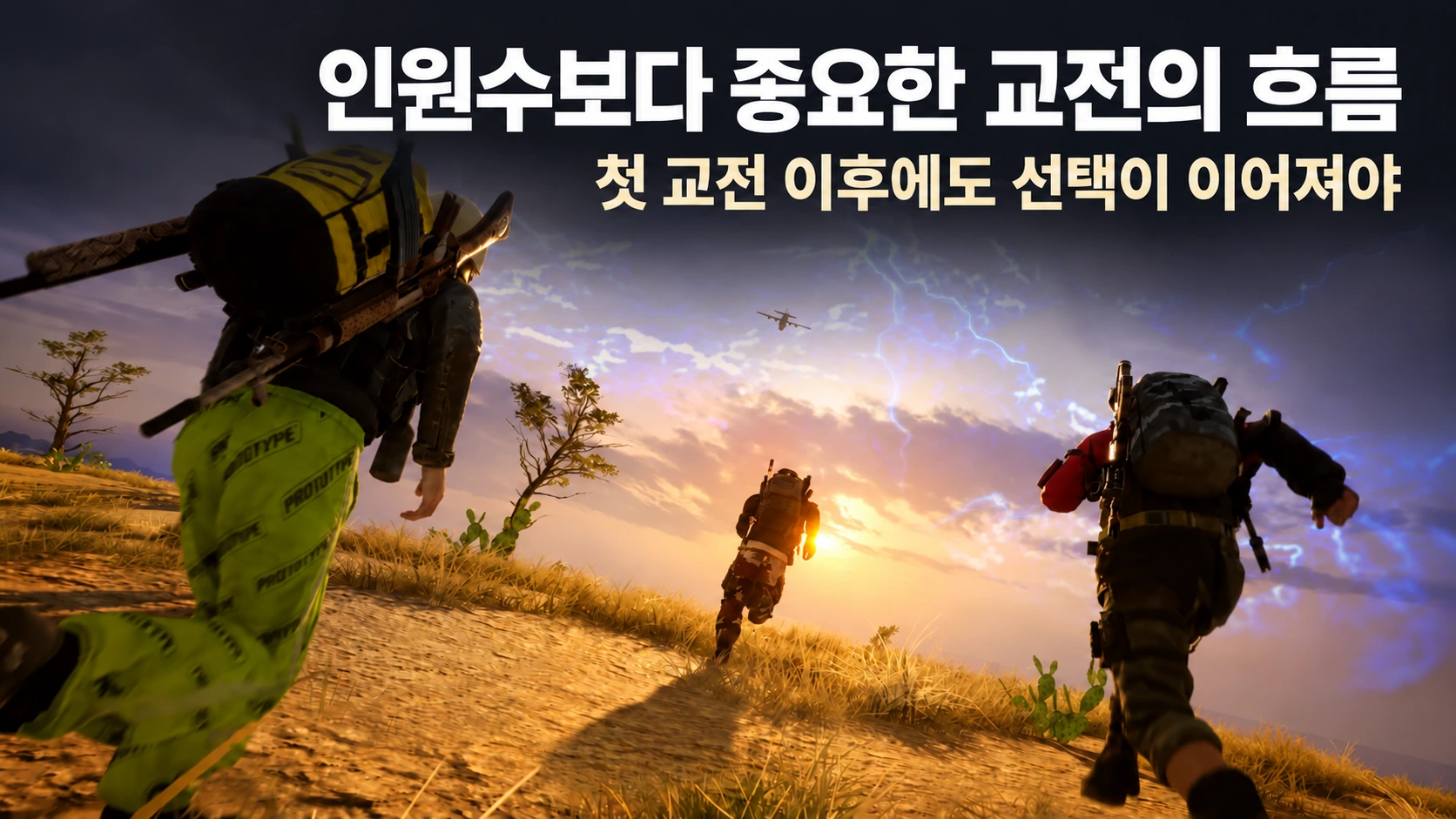
A short-fight mode can invite requests for more players, but count alone is not the whole solution. Historically, Update 29.2 raised IBR’s maximum from 16 to 20, and 34.2 moved battle-area selection to 100% random areas. Population and arena variation both shape the flow.
Starting count and teams remaining after first contact are different measures. Overlapping landings can eliminate several teams immediately and leave a quiet midgame. Too many surviving teams in a small area can instead create relentless third parties without time to reset.
Consider time to first contact, early elimination rate, and the interval before the next fight. Constant gunfire matters less than room to gather information, choose, and see the result. The appropriate count also depends on cover and area size.
Fixed team starting positions are one possible design idea for reducing instant landing wipes and preserving positional fights. They would need fairness tuning and could become predictable. This is a proposal to consider, not an announced rule change.
Set Expectations Around Why You Want Haven
The mode is worth examining if you miss the city or want team fights without long looting. Crossing alleys, coordinating covering fire, and reading building sightlines create interesting decisions quickly.
If you want one guaranteed map or a fixed practice weapon, account for random matchmaking and equipment. Seeing Haven again and reproducing its old format are different experiences.
Judge the mode by meaningful choices within a match, not only its length. Spotting an opponent, splitting supported angles, and choosing the next cover can make a short game feel like battle royale. Sustained appeal depends on pacing fights through that city as well as bringing the environment back.
Regional and version notes
Update 42.1 added Haven to the Intense Battle Royale pool, including Custom Match. The original Season 10 map rules are historical background, not a complete specification for its IBR version. A random pool does not guarantee Haven on demand. Some illustrations are retained from the Korean edition and may include Korean labels. Use the English article text for instructions.
Localization sources checked October 22, 2026 (Korea time):