

To use the Kar98k well in PUBG, practice headshots, but also build the habit of deciding where to take cover after firing. This sniper rifle can change a fight with one bullet; it cannot instantly make up for a miss with a spray. Choosing a good opening and surviving until the next shot are what make that single bullet valuable.
That is also central to the weapon's appeal. A distant knock can make aim look like the whole story, but the decision involves more: can you wait for a brief pause, do you have cover, and can you follow up on your team's opportunities? Understanding those conditions in PUBG: BATTLEGROUNDS on PC and console makes it easier to decide when to keep the Kar98k and when to switch to a DMR.
When does a Kar98k headshot take just one bullet?
The Kar98k is a bolt-action sniper rifle using 7.62mm ammunition. After each shot, it must cycle the bolt before firing again. That interval favors accurately hitting a briefly exposed head rather than landing several shots in quick succession.
The common question is whether it can one-shot a Level 2 helmet. At typical engagement distances, a Kar98k headshot can take down a player wearing a Level 1 or Level 2 helmet. Against a full-health player with a Level 3 helmet, plan around the fact that the same shot will not finish the job. Damage falloff, remaining health, and the exact hit location affect the result. “One shot” here specifically assumes a clean hit to the head.
A body hit still deals damage, but it does not mean the fight is over. The opponent can heal behind cover while you chamber the next round. Repeatedly showing your head at the same window because you saw a hit effect simply gives them an easy place to return fire.
In squads, knocking one player is not the same as eliminating the whole team. While you stare at the downed enemy, their teammates can shoot or move to another angle. The Kar98k's value includes interrupting one player's actions and forcing others to choose between reviving and covering. Your team needs to turn that time into movement or pressure to retain the advantage.
Start by choosing the moment an enemy stops
You do not need to begin by copying spectacular shots on running targets. A moving target requires lead for the distance traveled during bullet flight, and longer shots also require accounting for bullet drop. Lateral movement and movement toward you need different adjustments. A universal rule such as “aim one head ahead” cannot cover every situation.
Start with brief moments when an opponent checks a window, aims from behind a tree, or stops moving. Preparing your crosshair where they are likely to reappear reduces mouse travel compared with constantly chasing a small head. But if they already know your position and are waiting for you, holding the same spot for too long becomes dangerous.
Stop moving and settle the aim before firing, without taking a long time to do it in the open. Identify the position from cover, expose only as much as necessary, fire once, and tuck back in. After a miss, consider how much the opponent has learned about your position before insisting on staying out longer to land the next shot.
Avoid changing several practice variables at once. In Training Mode, use the same magnification and a similar range while learning to move onto a stationary target, then vary distance and movement direction one at a time. Distinguishing a shot that passed behind from one that dropped low gives you a reason for the next correction. Frequent sensitivity changes make it harder to separate a setup problem from an aiming habit.
Choose attachments for the problem you need to solve
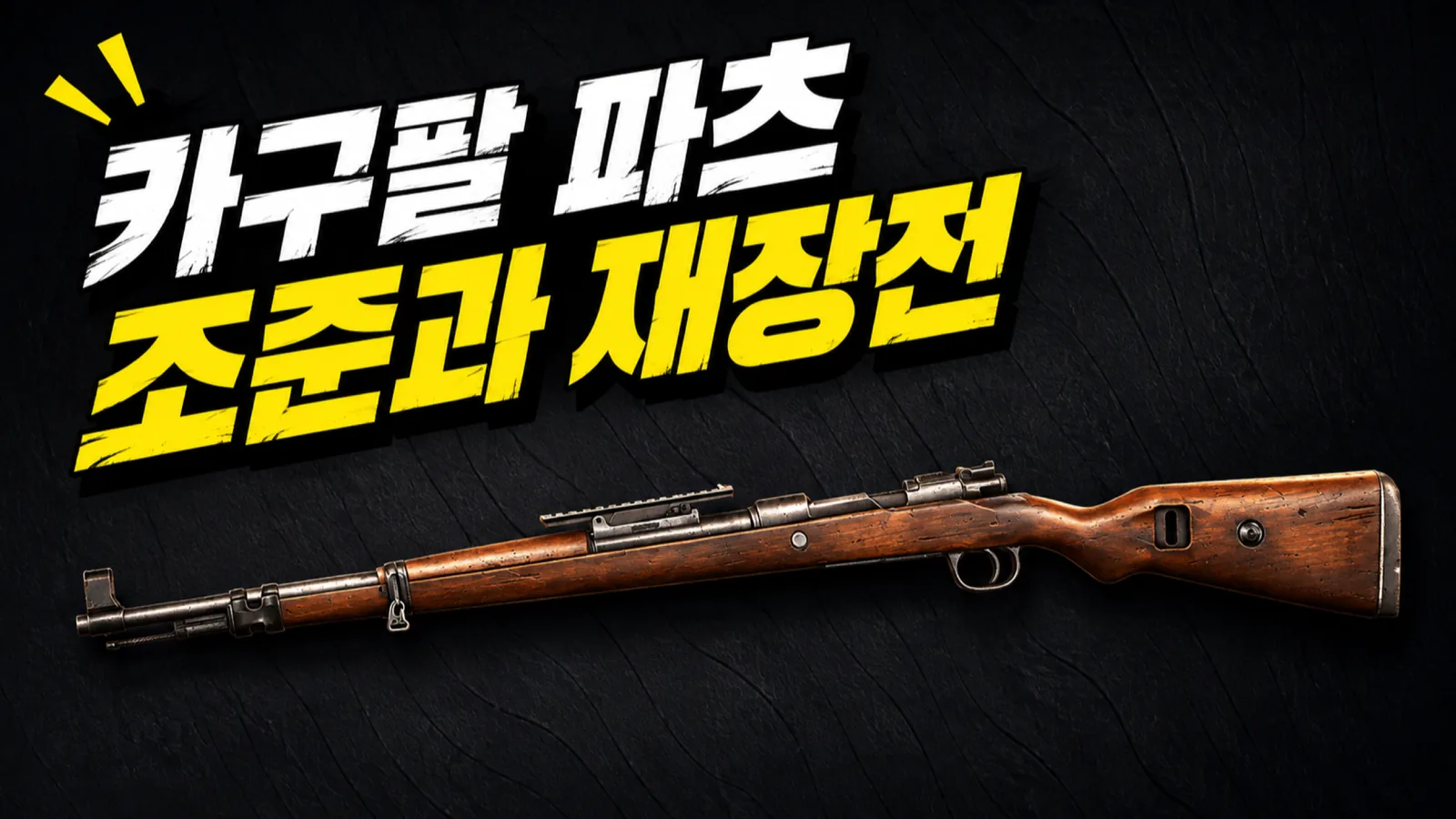
Choose Kar98k attachments around the opportunities you usually miss, rather than simply filling every slot. A scope helps you identify a head; a stock attachment can make aiming or reloading easier. Even a fully equipped rifle still has a gap after each shot.
Higher magnification is not automatically better. A 4x is usable, while a 6x or 8x makes distant targets larger. More zoom also narrows your view, making nearby or laterally moving enemies easier to lose. Watching distant cover across open terrain and dealing with a sudden peek between buildings call for different fields of view. Consider both how large the target looks and how quickly you can reacquire it.
Bullet Loops and the Cheek Pad solve different problems. Bullet Loops help reload speed, while the Cheek Pad reduces sway and shake when aiming and firing. Favor Bullet Loops if topping up after several shots is the main issue, or a Cheek Pad if you struggle to settle the crosshair on a head. Bullet Loops do not remove the bolt cycle between shots; that is separate from reloading.
Choose a muzzle attachment by its purpose as well. A suppressor reduces gunshot noise and muzzle flash, but does not make your location impossible to discover. Staying exposed or firing repeatedly from one place remains risky. A compensator does not turn a bolt-action rifle into a rapid-fire weapon either. The first problem to solve is where to wait safely until the next shot.
Follow each shot with cover and repositioning
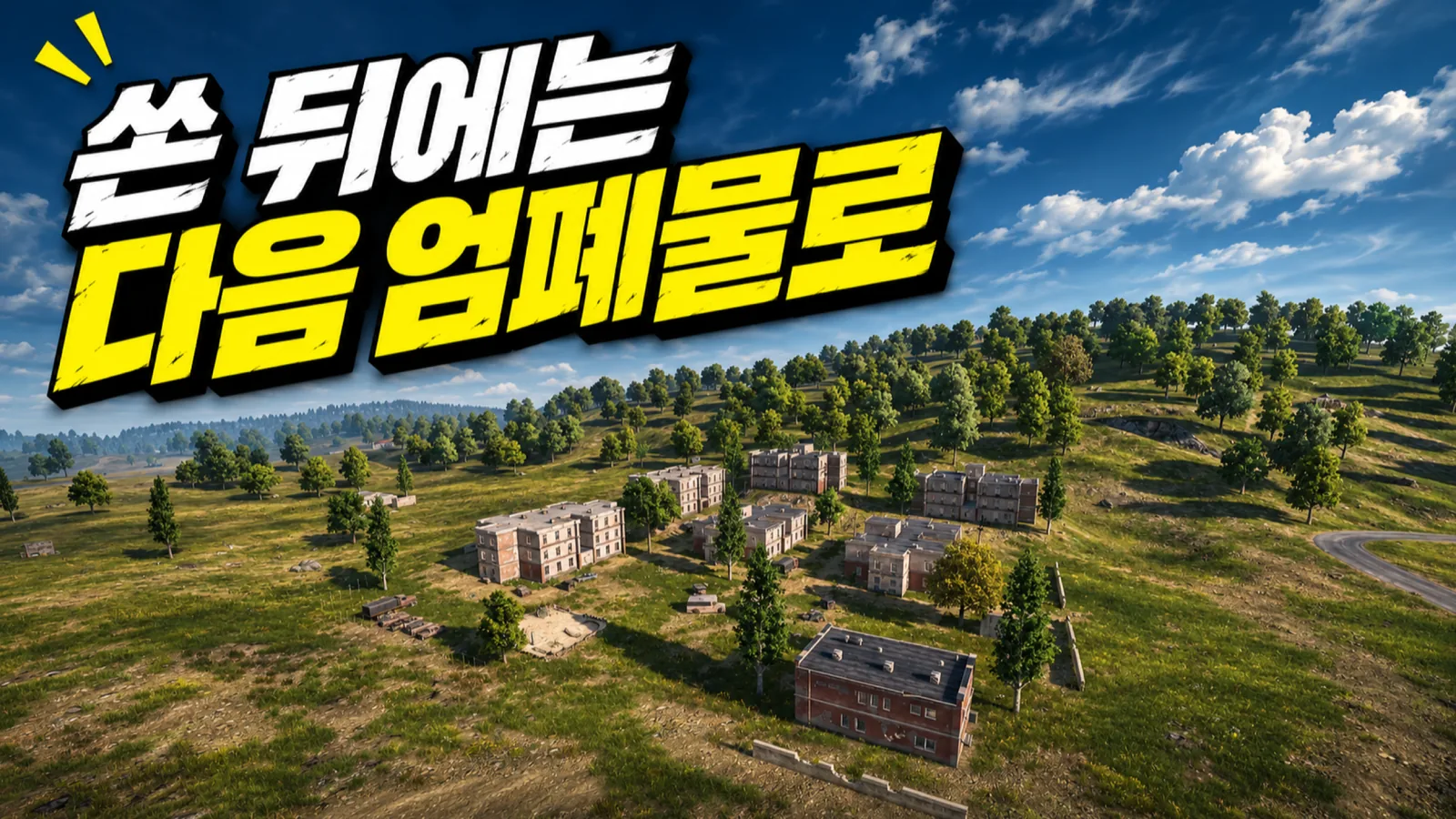
If you correct one Kar98k habit first, make it standing exposed to watch the result. Wanting to confirm a headshot can keep you in the enemy's view while the next round is being prepared. Fire, return to cover, and gather the information you need again from safety.
If the opponent also has a sniper rifle, be especially careful about repeating the same peek at the same height and corner. Your first shot told them where you appear. Consider another window or piece of cover, but do not create a bigger risk by crossing a broad open area merely to change angles. Reposition to create a shot they cannot easily pre-aim, not just for the sake of moving.
A knock does not always mean you should rush. It may create an entry when teammates are already pressuring a nearby building entrance. Knocking someone on a distant hill and crossing open ground can instead expose you to the rest of their squad. First check the distance, cover along the route, and whether teammates can move with you. If you cannot approach safely, deny the revive or use the time to establish a position inside the safe zone.
This decision matters even more as the Blue Zone closes. Delaying a rotation for one more shot can let another squad take the cover you could have secured. The result of a sniper duel outside the zone and a survivable position in the next circle are separate considerations. Even with a possible kill available, stopping to rotate can be worth more if the route is about to close.
When should you choose a Kar98k over a DMR?
The difference is less about which weapon looks better and more about how many shots you can get when you need them. Semi-automatic DMRs such as the Mini14 and Mk12 can keep firing single shots in succession. If the first bullet hits the body or the target starts moving, they make it easier to maintain pressure with the next round.
The Kar98k has a clearer case when an enemy exposes themselves briefly and you can target the head in that window. In fights built around short peeks between pieces of cover, one high-impact shot may fit better than extending your exposure to land several. That still should not become a fixed rule of “DMR for squads, sniper for solos.” Roles and terrain vary even within squad matches.
If a teammate already provides sustained long-range fire and you can take a separate headshot angle, the Kar98k can fit well. If nobody can consistently pressure moving targets and the team must respond to several directions, a DMR's sustained fire may be more necessary. That is why your squad's missing role matters alongside your personal accuracy.
Finding an M24 does not force a swap either. Both are bolt-action sniper rifles, so both require managing the downtime after a shot. Choose with your current attachments and aim familiarity in mind. Taking a good position with the weapon you already have is often more urgent than looting and swapping for a small performance difference.
Let the next fight decide whether you keep the Kar98k
If you carry a Kar98k, prepare your other primary for sustained close-range responses. Trying to find a head through a high-magnification scope while someone closes in leaves you too few opportunities. Switch to an AR or SMG before entering a building or cresting a nearby ridge, then create the distance at which the Kar98k is useful again.
The question is not whether you just landed a great shot, but whether you can make that bullet matter where the next fight will happen. Briefly challenging distant cover lets you keep its strengths; repeatedly answering several moving enemies may justify another weapon. The way to keep enjoying the Kar98k is to wait for the headshot opportunity without losing the position that lets you wait. That judgment turns a memorable shot into survival.
