

Leopard 2A8NO gives Sweden a fourth heavily armored Leopard-family option alongside three Strv 122s. Beyond the new tank's individual performance, the benefit is having another comparable vehicle after losing your first spawn. Ground Realistic Battles don't end with the opening tank.
Using all four identically wastes that flexibility. The 2A8NO has Trophy active protection; the Strv 122s offer more gun depression on ridges. Think of the lineup as choosing protection and firing positions for the situation, rather than always spawning the newest tank first.
Which four tanks are we comparing?
The four are Leopard 2A8NO, Strv 122A, Strv 122B PLSS, and Strv 122B+. This isn't a count of every Leopard in Sweden's tree: Finland's Leopard 2A6 is another option. It's a comparison of top-tier MBTs emphasizing frontal protection, not a claim that all four are classified as heavy tanks.
The Norwegian-specification Leopard 2A8NO joined Sweden's ground tree in Eagle's Shadow on November 11. Despite the similar name, it is separate from Germany's Leopard 2A8. A Norwegian vehicle is represented in the Swedish research tree.
| Vehicle | Ground RB BR | Reason to choose it |
|---|---|---|
| Leopard 2A8NO | 13.3 | Trophy APS, L/55 A1 gun, and laser warning |
| Strv 122A | 13.3 | A familiar baseline Strv 122 option |
| Strv 122B PLSS | 13.3 | An elevating commander's observation system |
| Strv 122B+ | 13.3 | A Strv 122 variant with additional protection |
Sharing a BR means adding the 2A8NO doesn't raise the lineup above these three tanks. It doesn't make their equipment or terrain suitability identical. Read the table as reasons to select a vehicle, not a power ranking.
Trophy APS doesn't replace cover
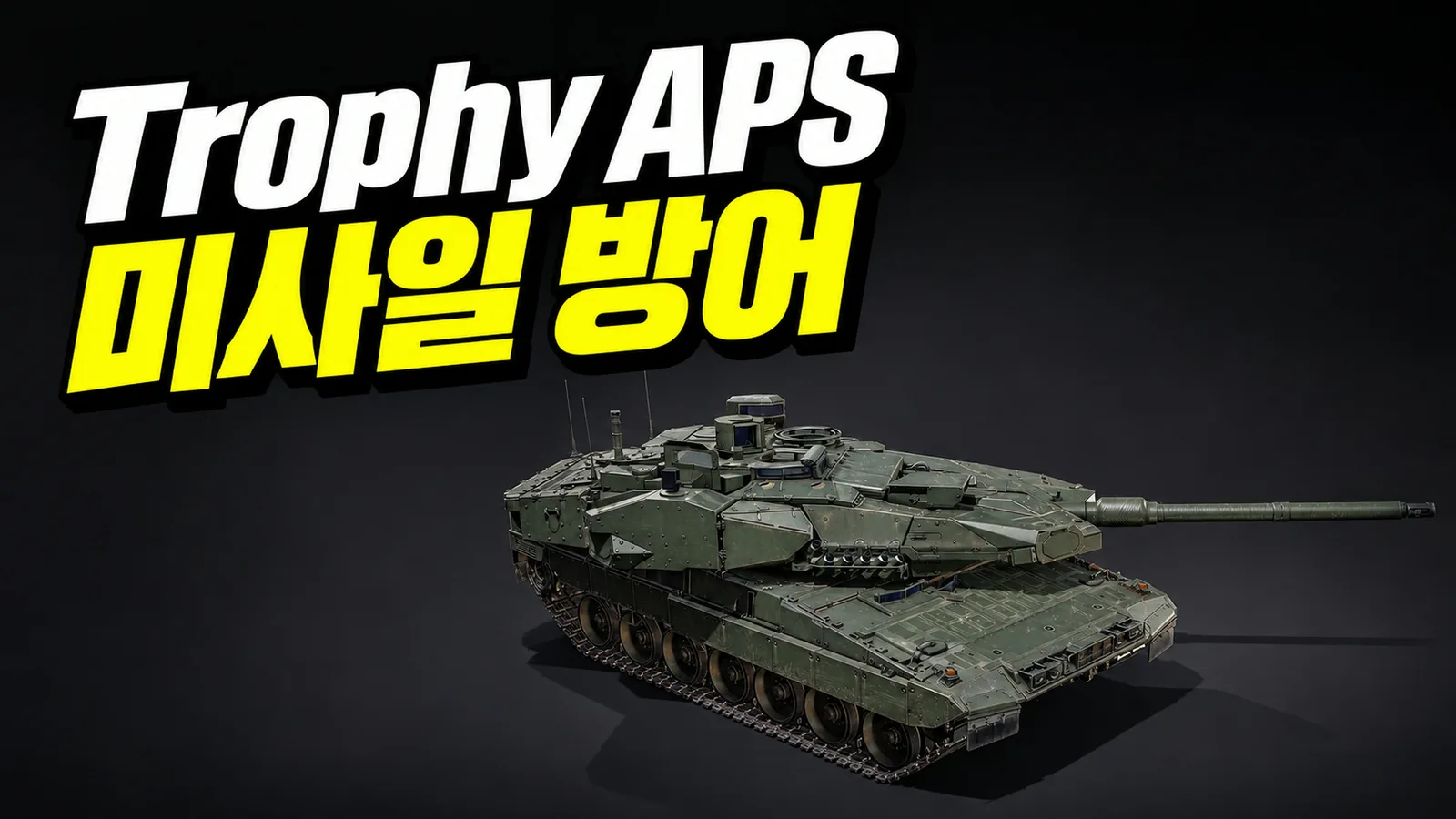
Trophy is a hard-kill active protection system that detects incoming threats and intercepts them with countermeasures. It adds an answer to missiles from ground launchers or helicopters. Passive armor resists penetration; active protection intervenes before impact.
It doesn't let you ignore tank guns or every aerial threat. Detection and interception coverage and remaining countermeasures still matter. One intercepted missile doesn't guarantee the next is harmless. Tank duels still depend on what you expose and where the opponent aims.
Use an interception as a chance to reset: move behind a rock or building, and check whether teammates can address the launch direction. APS can buy time to leave a bad position, but cannot cover an open flank or restore a blocked retreat.
Understand the laser warning system separately. Detecting laser illumination isn't physically intercepting a missile. An alert is a reason to reduce exposure; silence doesn't prove nobody is aiming at you. Interpret the information alongside terrain.
The name DM53 doesn't tell the whole firepower story
The 2A8NO uses the 120 mm Rh120 L/55 A1 and can research DM53 APFSDS. Don't compare it only against old memories of Strv ammunition: official data for all three Strv 122 variants also lists DM53. The distinction isn't simply new tank with DM53 versus old tanks without it.
Compare the gun firing the round. Listed penetration at 10 m is 653 mm for the 2A8NO's DM53 and 623 mm for the Strv 122s. That shows an advantage, not a universal ability to defeat 30 mm more armor on every target. Slope, composites, and overlapping components affect the actual shot.
Use Protection Analysis in the hangar with matching attacker, ammunition, range, and impact angle. Test turret fronts and hull weak points separately. Higher figures won't make the longer gun useful if you stop aiming carefully.
Newer doesn't automatically mean faster reloads either. The four vehicles list roughly 7.8 to 6 seconds from basic to ace crews. Different crew states can explain perceived differences. Time your next exposure around the actual reload of the vehicle you're using.
On ridges, the Strv 122's gun depression is a reason to choose it
The difference may become clearer over a ridge than on flat ground. Listed depression is −7° for the 2A8NO and −9° for the three Strv 122s. Depression is how far the barrel can point downward, which changes where you can fire with the hull behind terrain.
A spot where a Strv 122 exposes only a little turret may require the 2A8NO to drive farther forward to aim. The extra hull exposure creates a larger target regardless of its protection. Don't copy firing positions without checking the gun angle.
Two degrees don't establish that older tanks win on every hill. Ridge shape, target elevation, and hull tilt change the requirement. Plan a firing line and retreat during your approach rather than discovering insufficient depression at the crest.
Hull-down isn't invulnerability. It reduces exposure, but a different enemy angle can reveal your hidden hull. After a shot or two, reassess whether terrain and armor still work together and whether the position remains viable.
Assign follow-up roles instead of merely filling four slots
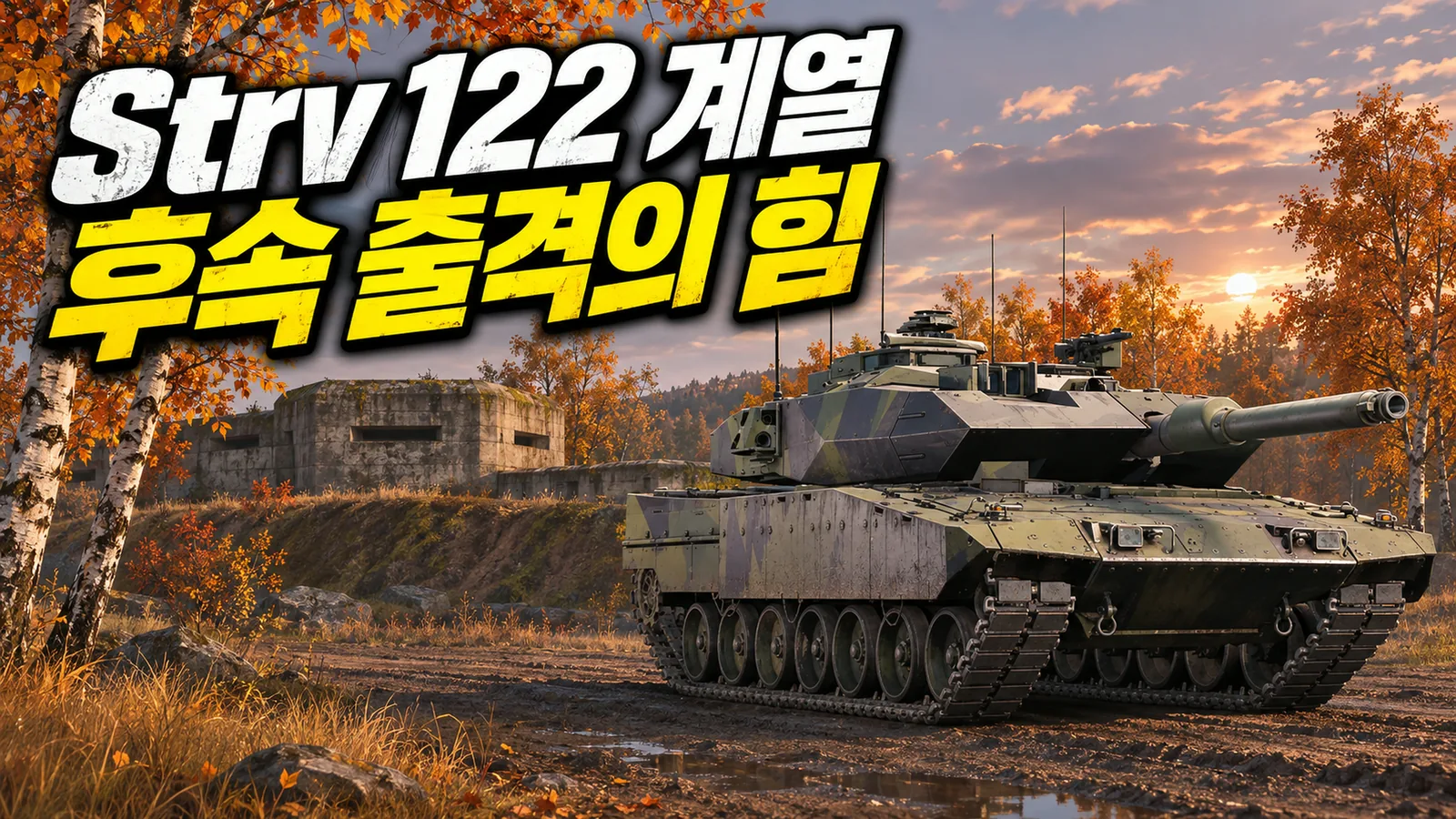
Several tanks with comparable defensive characteristics reduce the need to change fighting style after a loss. You can continue holding the front with teammates and reuse familiar gun handling and vehicle control.
Four tanks don't guarantee four spawns. Ground RB still requires spawn points and a suitable situation, and sometimes the team needs anti-air. Removing air defense to fit every tank leaves a different role uncovered. Owned vehicle count and lineup completeness aren't the same.
For the opening spawn, consider missiles versus ridge fighting. A missile-exposed front may favor the 2A8NO's APS; a familiar depression-dependent ridge may favor a Strv 122. That's a selection framework, not a fixed spawn order.
A newly researched 2A8NO also needs a fair comparison with upgraded Strvs. Before DM53 is researched, its ammunition options differ. Build modifications and crew training as you increase its use instead of replacing every established tank immediately.
After a loss, change the position as well as the tank
Taking the same route into the same enemy repeats the opening mistake, however many armored tanks remain. Was it a frontal duel, a missed flank, or too much hull over a ridge? Once you know the enemy's firing position, changing the approach can matter as much as changing vehicles.
If insufficient depression exposed your hull, a Strv 122 may help. If missiles blocked access, consider Trophy alongside anti-air support and a different route. If you were flanked, reading that route matters more than thicker frontal armor.
The lineup's value goes beyond absorbing the same attack four times. It lets information from one spawn improve the next. Ask whether the next vehicle and position solve what the lost tank couldn't, rather than which tank is newest.
