

After a long stretch in Iron or Bronze, aim is an easy suspect. If missed shots lost the round, more shooting practice seems obvious. But if you sometimes shoot well without changing your results, looking only at mouse movement after contact can miss the cause.
First examine the conditions you created before meeting the enemy: whether teammates could fight with you, whether your crosshair covered the likely position, and whether known information changed your action. Keep aim practice, but check for repeated unfavorable fights too. This is a way to find fixable moments, not a guaranteed shortcut out of Bronze.
More hours do not automatically correct habits
Playtime builds familiarity with maps and weapons. It does not automatically correct repeatedly losing contact with teammates or entering without clearing a corner. Those habits can remain familiar for a very long time.
Suppose you kill two enemies, enter a site, then die to the last defender. It is tempting to praise the shooting and blame the final duel. But if your crosshair was on the floor and you never checked behind the box, preparation also needs work. Practice avoiding an unprepared exposure, not just hitting the last enemy faster.
Avoid explaining rank through personality or talent. “I couldn’t see the enemy my teammate was fighting” is more useful than “I’m too passive.” One is a position you can change next round; the other is a vague judgment.
Minimap information should change what you do
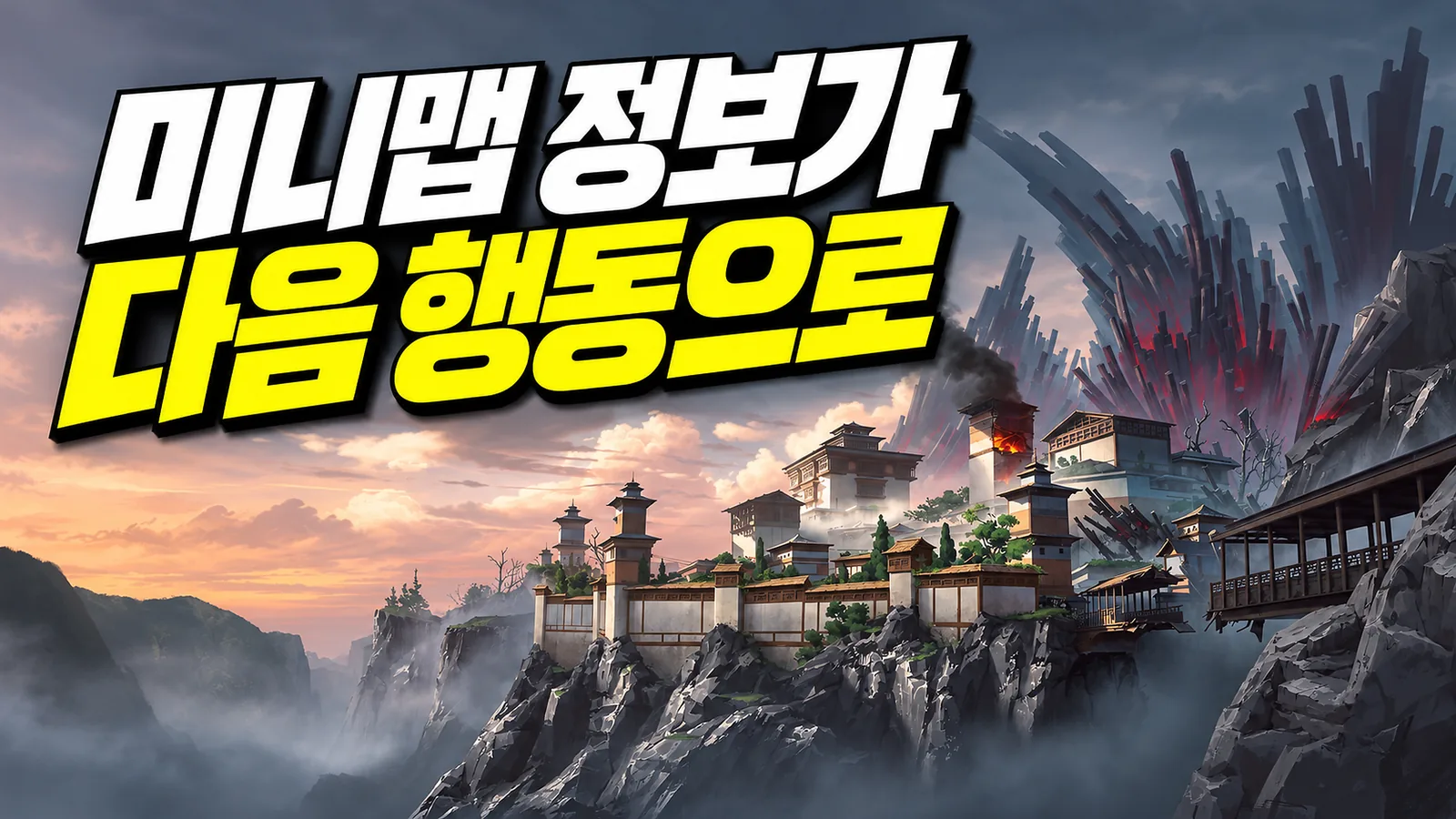
Looking at the minimap is common advice, but a glance alone has limited value. Read the space teammates have taken, where fights are happening, and which enemies remain unaccounted for, then adjust your role.
If teammates already occupy the site while you wait at the entrance, the initial entry phase may be over. Join through the space they secured or cover a route they cannot watch. Conversely, continuing an old plan while they retreat can turn a recently favorable position into isolation.
Count unaccounted enemies, too. Recent information on four players gives you routes to consider for the fifth. But an old marker does not guarantee a current location: consider when it was seen and where the player could move. Read uncertainty as a reason to cover possibilities, not proof of absence.
Choose your glance timing. Looking away while crossing a corner with imminent contact can cost the duel in front of you. Update behind cover or while a teammate watches forward, then return your attention and aim before exposing yourself.
Following a teammate means being able to fight the same enemy in time
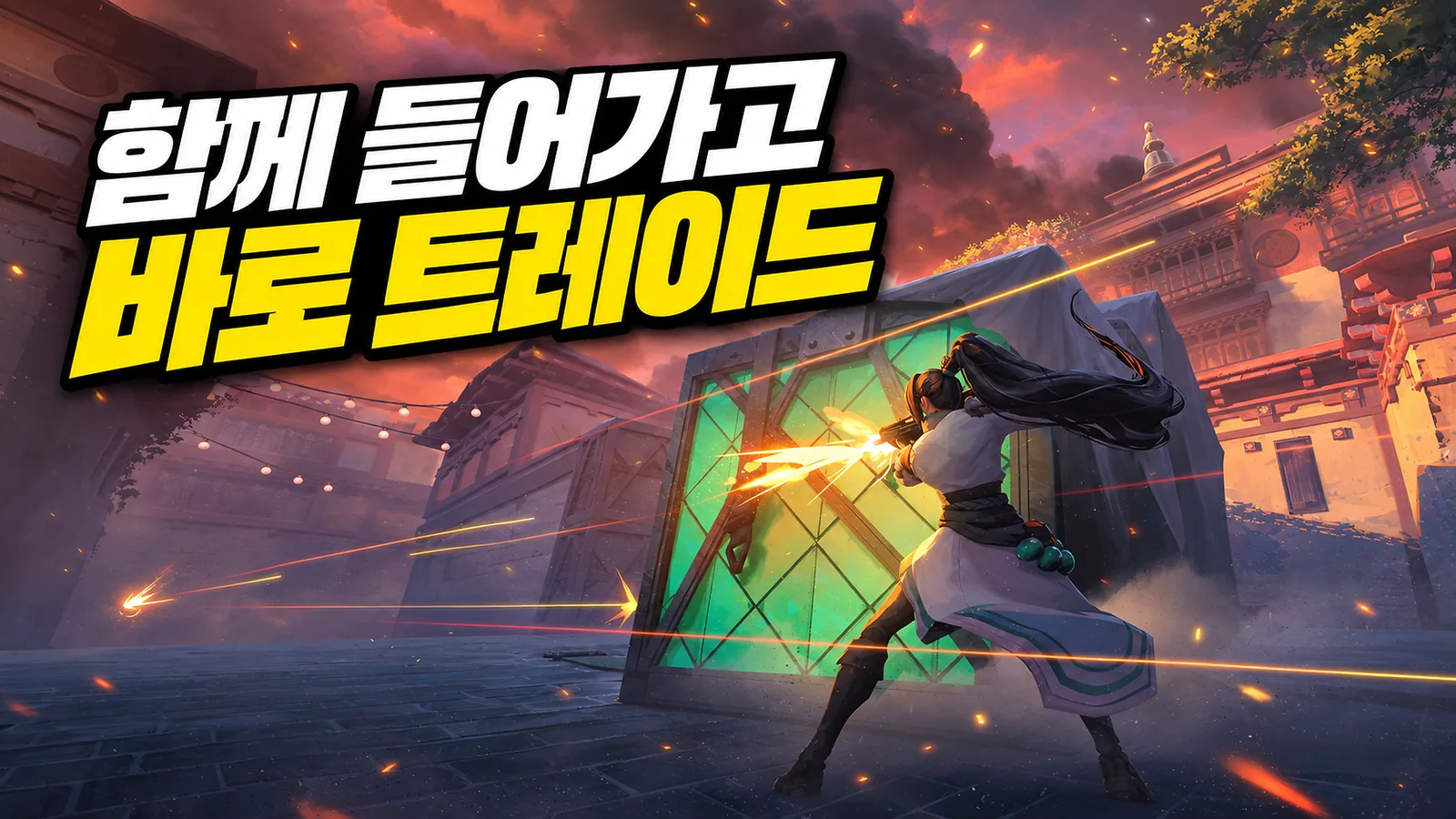
Trading means eliminating the enemy who just killed a teammate. Position and timing matter more than the intention to avenge them. Starting from far away only after they die gives the enemy time to hide or reset their aim.
There is no universal support distance because geometry, smokes, movement abilities, and likely enemy angles differ. Ask whether you could immediately shoot the enemy your teammate is fighting. A nearby teammate separated by a wall may still be unable to help.
This gap can be especially noticeable behind a fast entry such as Neon. They may already be fighting on site while you slowly approach the entrance. Coordinate timing and routes, and ready your weapon before expected contact. Do not sprint through uncleared space with a knife just to catch up.
Nor should everyone stack tightly together. That can expose the team to one attack or ability and block movement. Divide attention while keeping positions from which you can respond to the same fight.
If you cannot follow, say so briefly: “watching flank,” “reloading,” or “not with you yet.” That gives the entry player time to adjust. One readiness call before the fight may help more than a long explanation afterward.
Crosshair placement includes the next angle, not just head height
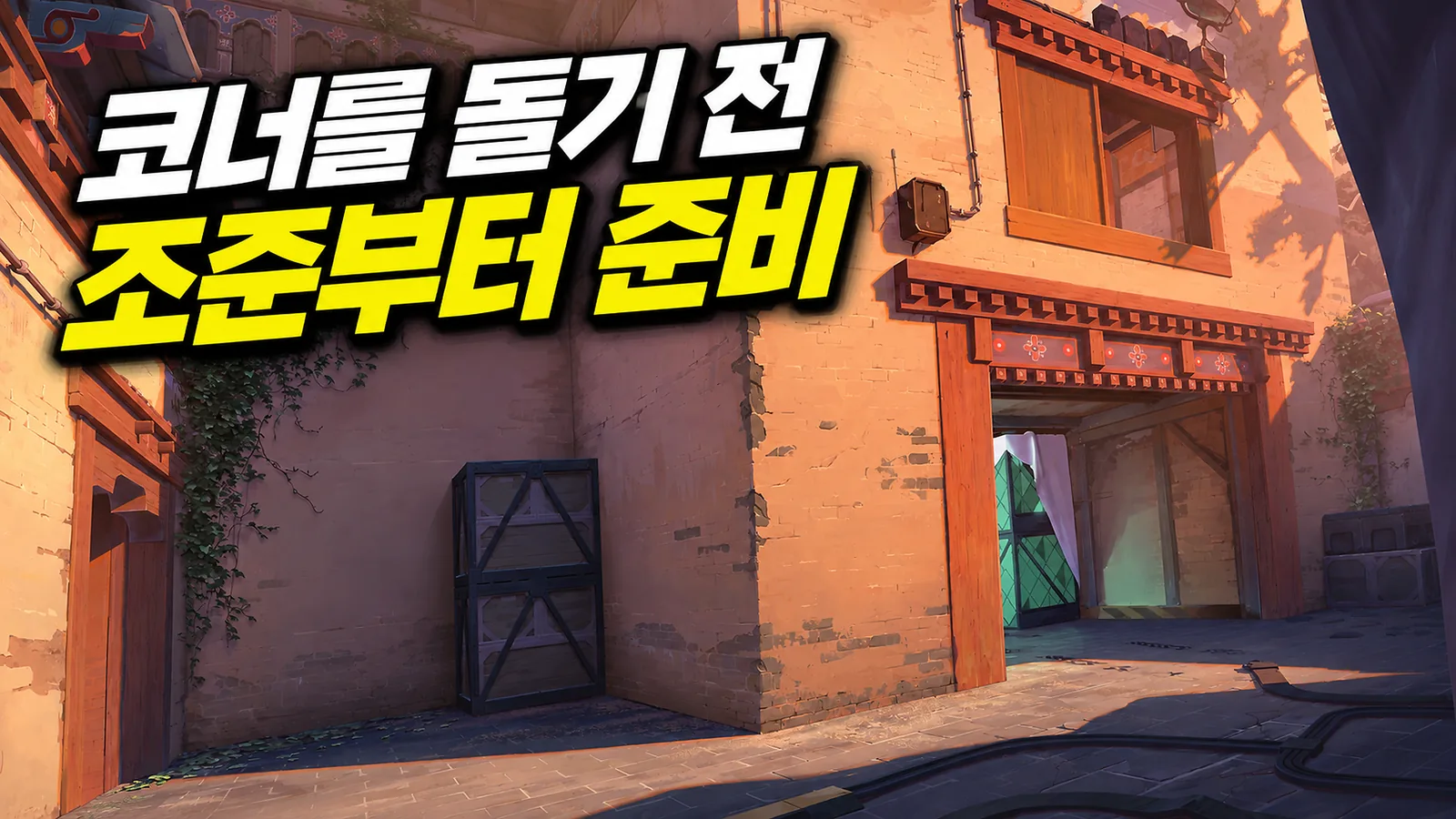
Preparing your crosshair at expected head height reduces the correction needed after contact. Do not preserve a flat-ground height blindly on stairs or elevated platforms; anticipate where an enemy’s head will actually appear.
Direction matters as well. A crosshair at the right height but aimed at the middle of a wall still requires a large correction when an enemy appears at its edge. Practice moving your aim toward the next angle that will open as you move.
Review exposure to multiple angles. Checking likely positions one at a time limits the directions you must answer on contact. Distinguish cleared space from unknown space to set your pace. But clearing every corner slowly while time expires or teammates need support can also make you late; account for the clock and team movement.
Separate moving from shooting, too. Riot’s basic guidance recommends stopping before firing for better accuracy. Practice moving, stopping for a short burst, and returning to cover. Review head-height preparation and movement at the shot as separate questions.
Chamber rewards preparation and coverage of unattended routes
On Chamber, setting up the fight matters as much as shooting. If Rendezvous is your exit plan, place the anchor before contact and fight from a position where the teleport is actually available. Looking for an escape only after losing the exchange wastes its advantage.
Rendezvous does not win every duel. Repeated peeks into several prepared enemies or unsupported angles remain risky. Drawing attention, escaping, and joining the next team action differs from repeatedly fighting the same position alone.
Use Trademark to connect the angle your gun covers with a route the team leaves open. Its description concerns detecting enemies in its line of sight and creating a slowing field, not automatically finding everyone through walls. Consider detection access, how easily it can be destroyed, and whether teammates can act on the alert.
Placing a trap does not let you forget the flank forever. Destroyed or suppressed information tools require a revised coverage plan. A good setup reduces the directions your team must watch; it does not replace all of your responsibilities.
Review how the fight formed before replaying the death
The final duel can hide an earlier cause. Late crosshair adjustment might follow a bad route; fighting alone might follow delayed support. Rewind slightly and review the information and teammate positions available before contact.
One recurring mistake per match is enough to begin. If you repeatedly could not see the enemy when teammates died, focus next game on support positioning rather than a kill target. Planning when to leave and where to stand addresses that problem more directly than changing sensitivity at the corner.
A short review note might look like this.
| Recurring situation | Change for the next match |
|---|---|
| Waiting at the entrance after teammates entered | Move on the entry call and join the same fight |
| Raising the crosshair only after rounding the corner | Prepare expected head height and direction before exposure |
| Seeing enemy information but taking an unrelated route alone | Choose support or coverage based on the information available |
| Peeking on Chamber without an exit plan | Check the Rendezvous anchor and usable teleport position first |
This is not a promotion forecast. Composition, opposition, and shooting accuracy all affect results, so one habit cannot guarantee a rank increase. It can still clarify exactly what to do differently.
Before adding more aim practice to escape Bronze, inspect how your losing fights begin. Repeated misses despite prepared contact justify shooting practice. Frequent isolation or unprepared aim suggests fixing the habits that create those fights first. Choose practice from recurring situations, not the label of a low rank.
