

PUBG Asia Stars 2026’s external-information controversy led to a Korean team boycott and the event ending early. In its September 21 apology, KRAFTON said it had confirmed Himass and TanVuu checked information outside the game and that disciplinary procedures were underway. The chronology below preserves that statement’s timeframe; a September 23 follow-up announced permanent account and official-competition bans, as explained in the update notes.KRAFTON’s September 21 apology
This account separates what stream sniping means, why Soopi and the Korean team protested, and what had been decided at each stage. Do not read the earlier pending-investigation language as the latest disciplinary status.
What Is Stream Sniping, and Why Does It Affect Fairness?
The Korean term ‘bangplay’ abbreviates broadcast-based play: using an opponent’s stream or similar external source to obtain information unavailable from your own gameplay. Knowing locations or movement that way can affect searches and fights.
The dispute concerned not only watching another stream directly but receiving outside information through one’s own livestream chat, sometimes called ‘chat play’ in Korean discussion.
Different delivery routes can still create the same fairness issue if the information was unavailable in the match. KRAFTON’s later apology acknowledged that the narrower ‘chat play’ label had failed to describe the conduct adequately. See the official September 21 apology
What Was PUBG Asia Stars 2026?
The event brought together South Korea, China, Japan, Thailand, Chinese Taipei, and Vietnam, with eight representatives per region: 48 professional players, PUBG Partners, and streamers in total.
The announced dates were September 17, 19, and 20. Eight Playgrounds events plus Platoon Battle Royale made nine disciplines, with a published total team prize pool of US$70,000. These dates follow the event’s original Asian announcement calendar.PUBG’s original event announcement
Although a showmatch-style event, it had placements and prize money. Participants still needed equal competitive conditions and understandable decisions when issues arose.
How Did the Soopi-Related Dispute Begin?
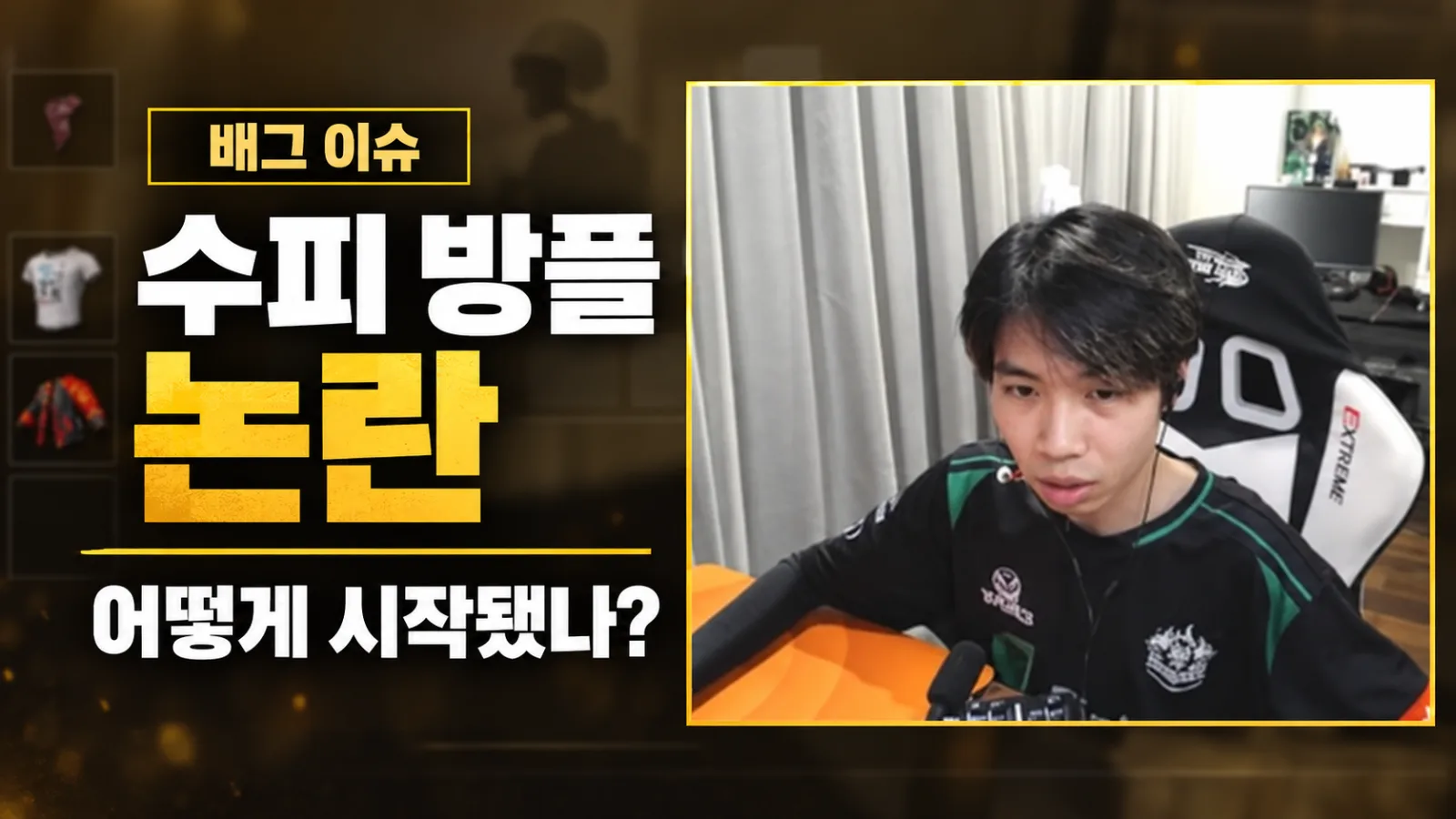
The initial allegations concerned using outside information to locate opponents during the first day. A fight involving Korean participant Soopi drew attention, followed by questions about Vietnamese participants’ secondary screens and information flow.
Himass and TanVuu subsequently said in a joint apology that they received outside information while checking their own livestream chat. They acknowledged the possibility of an advantage or impact on other teams and apologized to Korea’s team and Soopi, according to the original article’s reporting.Aju Business Daily reporting cited by the original article
Separate initial allegations from later findings. Early discussion disputed the information route and use; the September 21 official apology explicitly described the two players’ external-information checking as stream sniping. See KRAFTON’s September 21 apology
From Korea’s Boycott to the Canceled Final Day
The original timeline is:
| Date | Development |
|---|---|
| September 17 | Fairness concerns arise over external information during the opening day |
| September 19 | The two players are removed from the remaining roster; all eight Korean representatives boycott over the handling |
| September 20 | KRAFTON announces no remaining matches and an equal-basis prize payment approach across participating regions |
| September 21 | PUBG Publishing leadership apologizes for operational and communication failures and describes disciplinary procedures as pending |
The cancellation chronology was covered in Yonhap reporting cited by the original article; the September 21 response appears in the official apology. A later September 23 ruling is separate from these earlier stages.
The Korean team’s absence protested fairness and the organizer’s response. Calling it merely a withdrawal omits that purpose. KRAFTON itself identified that wording as a communication failure.
The story therefore concerns both the players’ use of external information and the explanations and actions organizers gave after complaints.
Sponsors Also Paused Activities
The original reporting says Baekeok Coffee moved to suspend related advertising, menu, and event sponsorship activity, while Kkanbu Chicken put related promotions and events on hold.Yonhap sponsor reporting cited by the original article
Those statements describe temporary suspensions or holds, not proof that every sponsor permanently terminated its contract. Any later resumption needs a separate brand announcement.
What the September 21 Apology Established
That evening’s statement addressed operational responsibility and the players’ conduct. Its main points were:
-
KRAFTON acknowledged inadequate safeguards and unclear decision and sanction standards for external information.
-
It said early explanations were inaccurate and announcements were inconsistent across languages.
-
It confirmed external-information checking by Himass and TanVuu and said disciplinary results would follow separately.
-
It acknowledged failures to protect participants and promised cooperation, including sharing investigation materials if legal proceedings arose, alongside recovery support.
These points summarize KRAFTON’s September 21 apology rather than every subsequent announcement.
At that stage, confirming conduct and determining the final sanction were different steps. The September 21 apology alone did not establish a permanent ban. The September 23 ruling later did announce permanent game-account bans and disqualification from KRAFTON-organized or sanctioned official competitions, effective on publication, with the stated right to present their case through esports procedures.
Follow-up notices should identify the applicable rules, scope and timing of sanctions, and participant protection measures clearly. Broadcast delays and external-information standards also need advance communication. This article does not claim a later appeal outcome beyond the dated notices checked.
FAQ
Was Stream Sniping Confirmed?
KRAFTON’s September 21 statement identified Himass and TanVuu’s external-information checking as stream sniping; the September 23 investigation notice described its findings and sanctions. That does not justify declaring unrelated past tournament results fraudulent.
Why Did Korea’s Team Boycott?
They protested competitive fairness and the organizer’s response. KRAFTON acknowledged that describing the boycott only as withdrawal had been inadequate.
Had All Discipline Been Decided in the September 21 Statement?
No. That statement said procedures were pending. Distinguish conduct confirmation, event-roster removal, and the later September 23 permanent sanctions. The earlier-stage reference remains KRAFTON’s September 21 apology; the linked follow-up in the version notes supplies the later ruling.
Regional and version notes
Follow-up dated September 23, 2026: KRAFTON announced permanent game-account bans and bans from its organized or sanctioned official competitions for Himass and TanVuu, effective on publication, while stating their right to present their case under esports procedures. The September 21 account describes an earlier pending stage. This localization does not establish a later appeal outcome. Notice dates follow the Korean publisher’s calendar. Some illustrations are retained from the Korean edition and may include Korean labels. Use the English article text for instructions.
Localization sources checked October 22, 2026 (Korea time):