

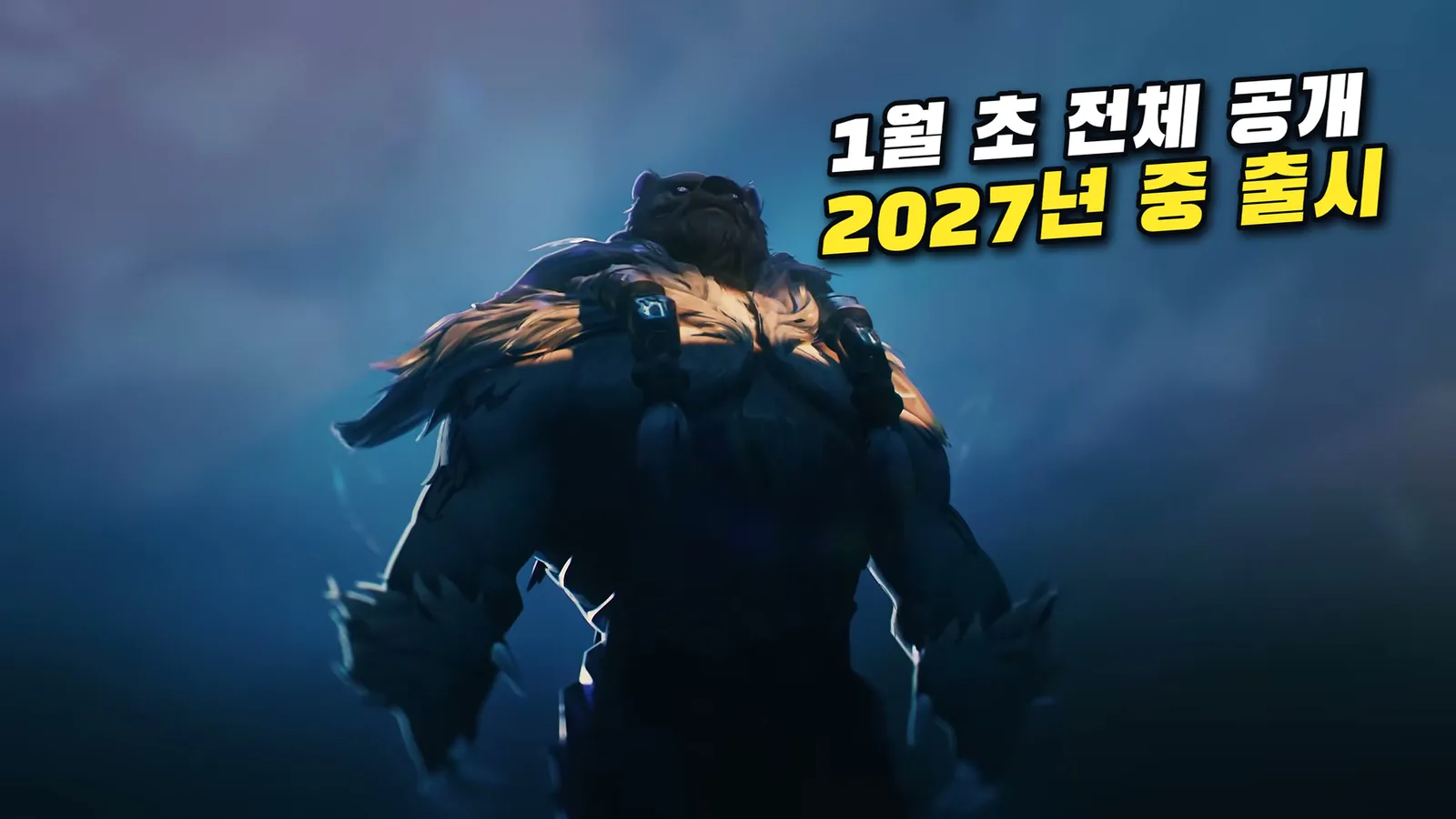
League of Legends: New Dawn is set for a full reveal in early January 2027, with release planned for later that year. Riot hasn’t announced an exact release date yet. Playtesting is expected to begin shortly after the reveal to gather feedback. The live game will also get its season patch in January, bringing changes players can try first—including Kleptomancy’s return, an overhaul to on-hit items, and a new ranked climb.
That order matters if you’re thinking about returning. Players who log in during January will first need to get used to the updated runes and items, while those waiting for the new client and revamped Rift will get the reveal and playtest first. Treating both announcements as “January 2027” can make it easy to confuse what’s playable right away with what’s still in development.
The January reveal and season patch are separate events
| Milestone | Official timing | What players can expect |
|---|---|---|
| New Dawn full reveal | Early January 2027 | Details about the overhaul are expected |
| New Dawn playtest | Expected to begin shortly after the reveal | Feedback gathered from pre-release play |
| 2027 Season 1 patch | January 2027 | Changes to runes, items, ranked, and ARAM: Mayhem in the existing game |
| New Dawn release | Sometime in 2027 | The major update goes live, with a season-start cinematic planned |
New Dawn’s reveal will take place around the time when the season start has traditionally been announced. Riot plans to release the season-start cinematic alongside New Dawn. So if you expected the patch, cinematic, and major overhaul to arrive all at once at the turn of the year, these events will instead happen on separate schedules. Riot says players can sign up for updates on the New Dawn website, including information about how and when to join the playtest.
What New Dawn means for League and your skins
New Dawn is a major update to the current League of Legends. Riot says it’s building the update by improving its proprietary Hextech engine, and that players will still be able to use their current champions and skins after release. That’s important for anyone returning after a long break: being able to keep using the champions you love and the skins you’ve collected over the years can make a real difference in whether you come back.
Runes are sticking around, too. New Dawn will still let you choose runes, including a keystone, while adding new elements and simplifying parts of the existing system. It’s worth separating what’s confirmed from what’s still to come: Riot has said the keystone selection system will carry over, but details about individual secondary runes and how current setups will change in the release build are still to come. How Season 1 runes—including the returning Kleptomancy—will carry over into New Dawn is a separate question.
The name may sound familiar. The English title of Riot’s 2014 cinematic “A New Dawn” was, of course, “A New Dawn.” The latest teaser also shows dawn breaking over a dark landscape. That imagery evokes League’s past, but the update itself is best judged by how it changes choices in matches and during pregame.
What Blitzcrank’s selection screen hints at
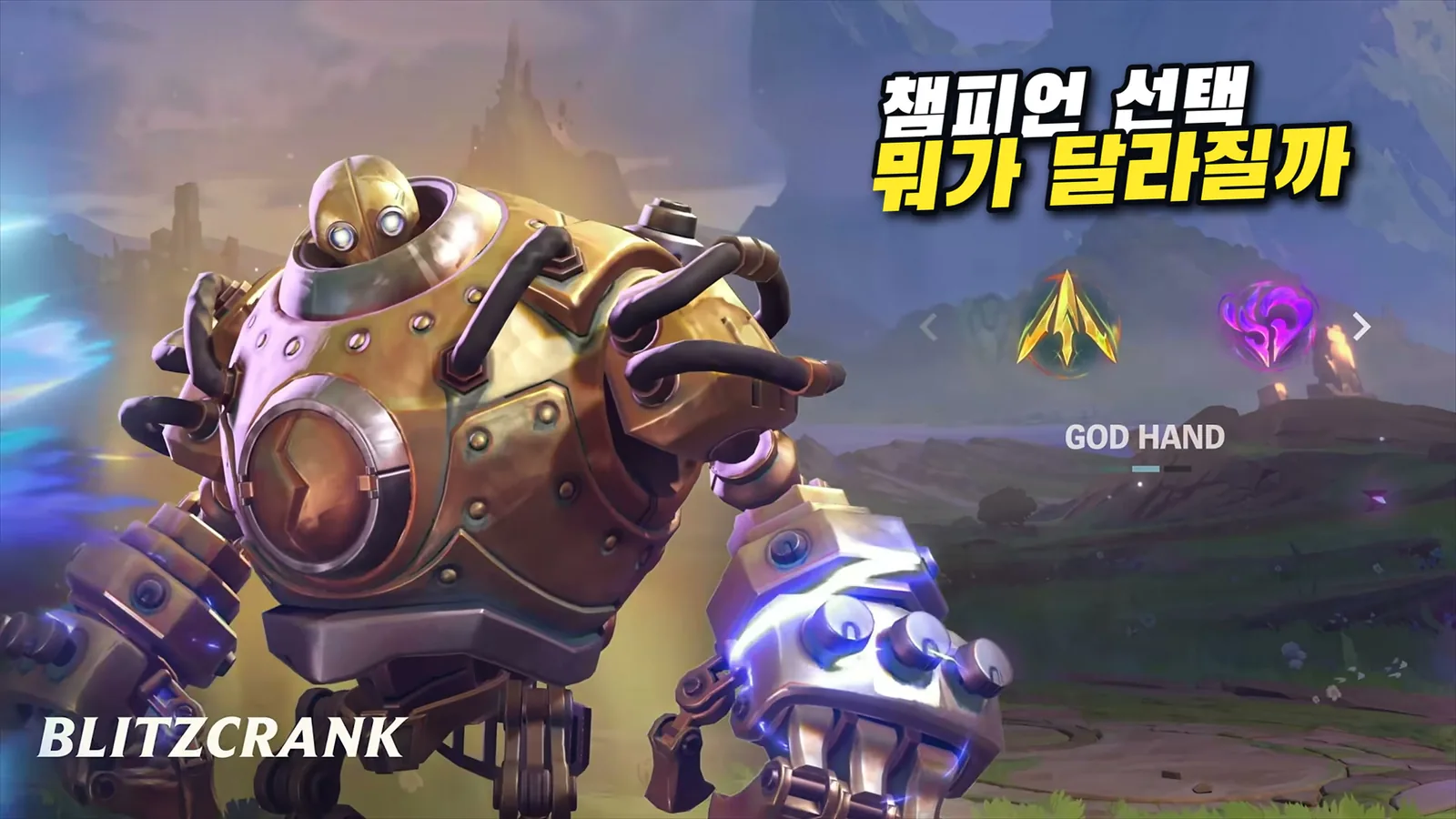
Riot’s announced scope for the overhaul includes a modernized client, a visual refresh for Summoner’s Rift, new ways to play champions, and an improved experience for new players. Blitzcrank’s teaser scene offers a glimpse of the gameplay direction. “God Hand” appears beside him, followed by a fight featuring different attack animations. The scene suggests that even when both players pick the same champion, their combat role or approach could vary depending on the traits they choose.
The timing of those choices matters. If an opposing Blitzcrank fights differently than you expect, your response depends on whether you can see that information before the fight. Allies need to understand the role that choice will play in the team comp, while opponents need to rethink how close it’s safe to stand. More options can make drafting more interesting—but only if both teams can understand what those choices mean.
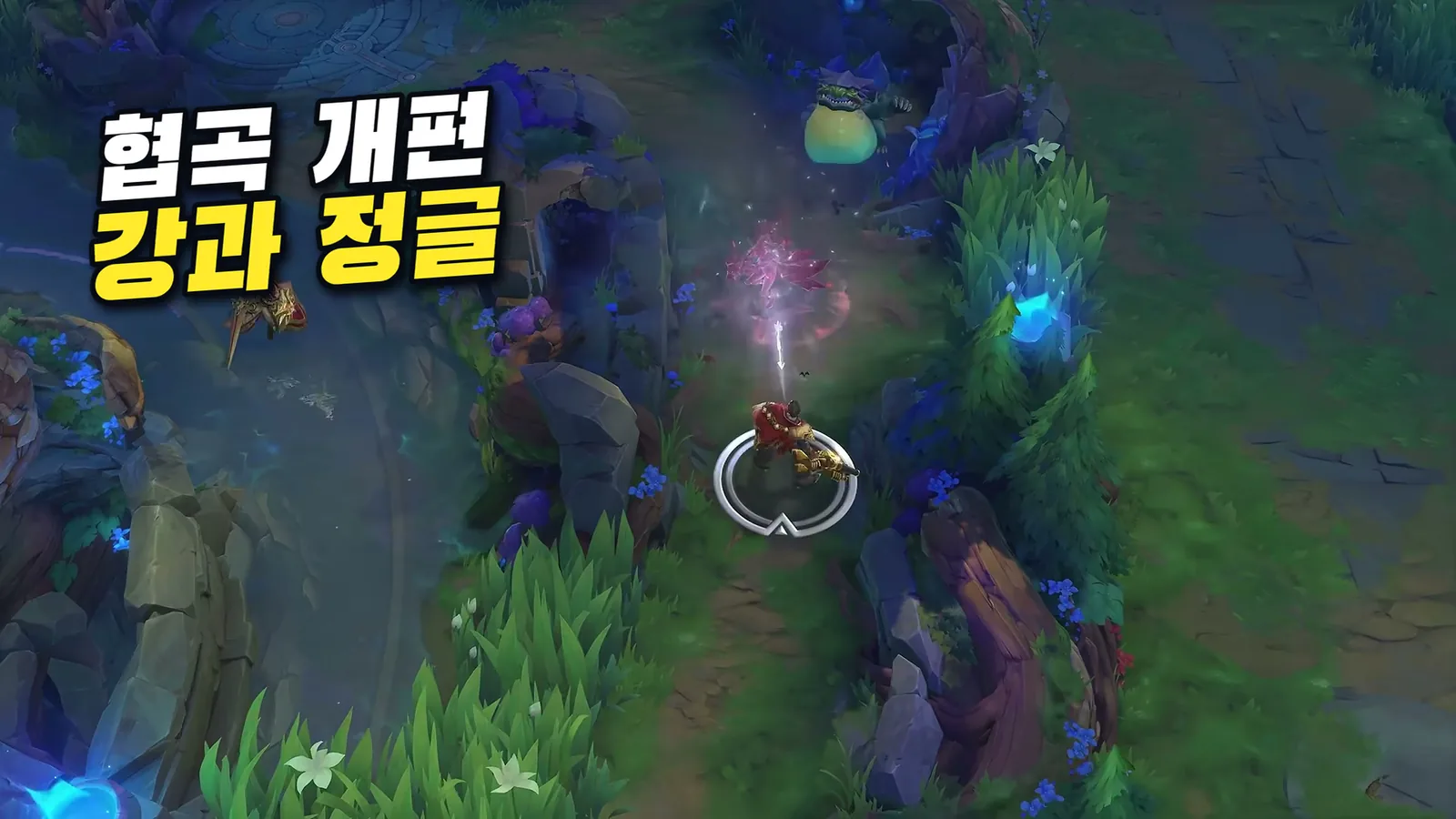
The Rift is worth judging by the same standard. A river and jungle that look different don’t necessarily mean that routes, vision, or wall interactions have changed. For example, even if a dragon-side view shows several entrances, how quickly each team can rotate depends on the full pathing and wall layout. That’s why a single teaser shot isn’t enough to determine whether the new champion choices will be available in ranked or whether the whole Rift will remain symmetrical.
Kleptomancy and Titanborn arrive first in January
Kleptomancy is set to return as a keystone in the January season patch. Its newly announced unique loot reward gives you a small discount on items in the shop. Compared with a rune that gives you an immediate edge in a fight, Kleptomancy pays off when it lets you buy an item sooner. For example, if you return to base just short of an item’s usual price but have enough for the discounted cost, you can complete it on that trip. Even a small price difference matters if it lets you buy your power spike before heading back to lane.
The new keystone Titanborn builds armor and magic resistance as you keep fighting champions, and lets you unleash a shockwave once you reach maximum stacks. The intended use is clear: stay on the front line and give your team time to deal damage. If trades are short and you’re constantly disengaging, though, it may be harder to make use of the max-stack effect. When choosing between these runes, how soon you need to buy an item and how long a fight tends to last are more useful questions than the name of your champion alone.
What happens when Blade of the Ruined King loses its slow
On-hit effects trigger when your basic attacks connect. Riot plans to adjust the system in January so champions who build around on-hit effects have more ways to complete their builds as the game goes late. Blade of the Ruined King will deal more damage based on the target’s health, but lose its slow; the new item Fatetaker is expected to take over the slow’s role. Fatetaker is also set to grant attack speed and armor, and its announced effect involves every third basic attack.
Consider a game where you can keep hitting a high-health opponent head-on, and another where you have to chase down someone who keeps creating distance. In the first, health-based damage may be worth investing in; in the second, you may need a slow to keep landing attacks. The changes are also intended to give Guinsoo’s Rageblade a focus on penetration and Wit's End a focus on movement speed when dealing with magic damage. Rather than memorizing your old build order, start by asking what’s stopping you from getting your attacks off in this game—that’s the easiest way to understand the goal of the overhaul.
Read Iron IV alongside your MMR during Ranked Rush
When the January ranked climb begins, every player’s displayed rank will start at Iron IV, but MMR will remain unchanged. MMR is a behind-the-scenes rating used to find opponents at a similar skill level. Even if everyone has the same rank shown on their profile on day one, Riot’s description means that rank alone won’t tell you how strong your opponents are. For example, a player with roughly their previous Gold-level MMR will still be matched against players with similar MMR while their displayed rank says Iron IV.
Players are expected to earn more LP as they climb. Ranked games will also award Eternal tokens, which can unlock Victorious Eternals skins based on past Victorious skins. If you have enough tokens, you can unlock one without waiting until the end of the season. It’s easiest to think of Iron IV as your new-season starting point, and to consider matchmaking and rewards separately: MMR determines skill-based matchups, while tokens track your progress toward the reward.
ARAM: Mayhem is also getting changes in January. Overcharged augments can trigger additional effects, such as expanding your item inventory, and Riot has previewed a community vote to bring back past augments. Official materials discuss these augment updates as changes to a separate mode. There’s not enough information yet to assume the champion choices shown in the New Dawn teaser will follow the same rules.
Pick your return date based on what you want to play
If you want to queue ranked again on a familiar champion, the January rune and item changes are what you’ll feel first. Start by checking which effects are moving off your usual first item and whether your champion favors short trades or extended fights; that’ll make it easier to plan your first build. If you’re curious about New Dawn’s champion choices, the playtest after the reveal should offer more useful answers about when those choices appear and how they change actual fights.
The goal to look for is a game where you can discover new ways to play familiar champions while still understanding what your opponents have chosen. In January, you’ll be able to experience how the rune and item changes affect fights. New Dawn will show just how differently those choices can shape each champion.
