

New Dawn's champions and redesigned Rift catch the eye, but the more consequential changes may be how you start a match and understand it. Riot has introduced a major League of Legends update covering the client, Summoner's Rift, gameplay, and the new-player experience. Its scope goes beyond a graphical facelift.
Keep two milestones separate: the full reveal is planned for January 2027, with release later in 2027. January isn't a promise that everything goes live. There's plenty to look forward to, but announced goals and details still awaiting explanation deserve different treatment.
Think of an update to League, even when people call it League 2
A new name and striking visuals naturally invite comparisons to a sequel. Riot, however, has announced a major update to League itself. Focus on which parts of the existing game are being redesigned rather than assuming a migration to a separate sequel.
The announced scope falls into four areas.
| Area | Announced direction | What players should assess |
|---|---|---|
| Client | A modernized client | Preparing for matches and navigating screens |
| Summoner's Rift | A visual overhaul | Distinguishing terrain from combat information |
| Gameplay | Evolving play and new ways to experience champions | How decisions and counterplay change |
| New-player experience | An area addressed by the wider update | What is explained, and in which order |
These areas overlap. A different champion-selection screen could affect pre-match decisions as well as presentation. New colors and effects on the Rift raise questions about combat readability alongside visual appeal.
Calling it League with better graphics understates the scope, but assuming every system will be replaced goes too far. Announced areas of improvement aren't finalized rules. The name alone doesn't establish how accounts or owned content will be handled; those need their own explanation.
The client matters before the match begins
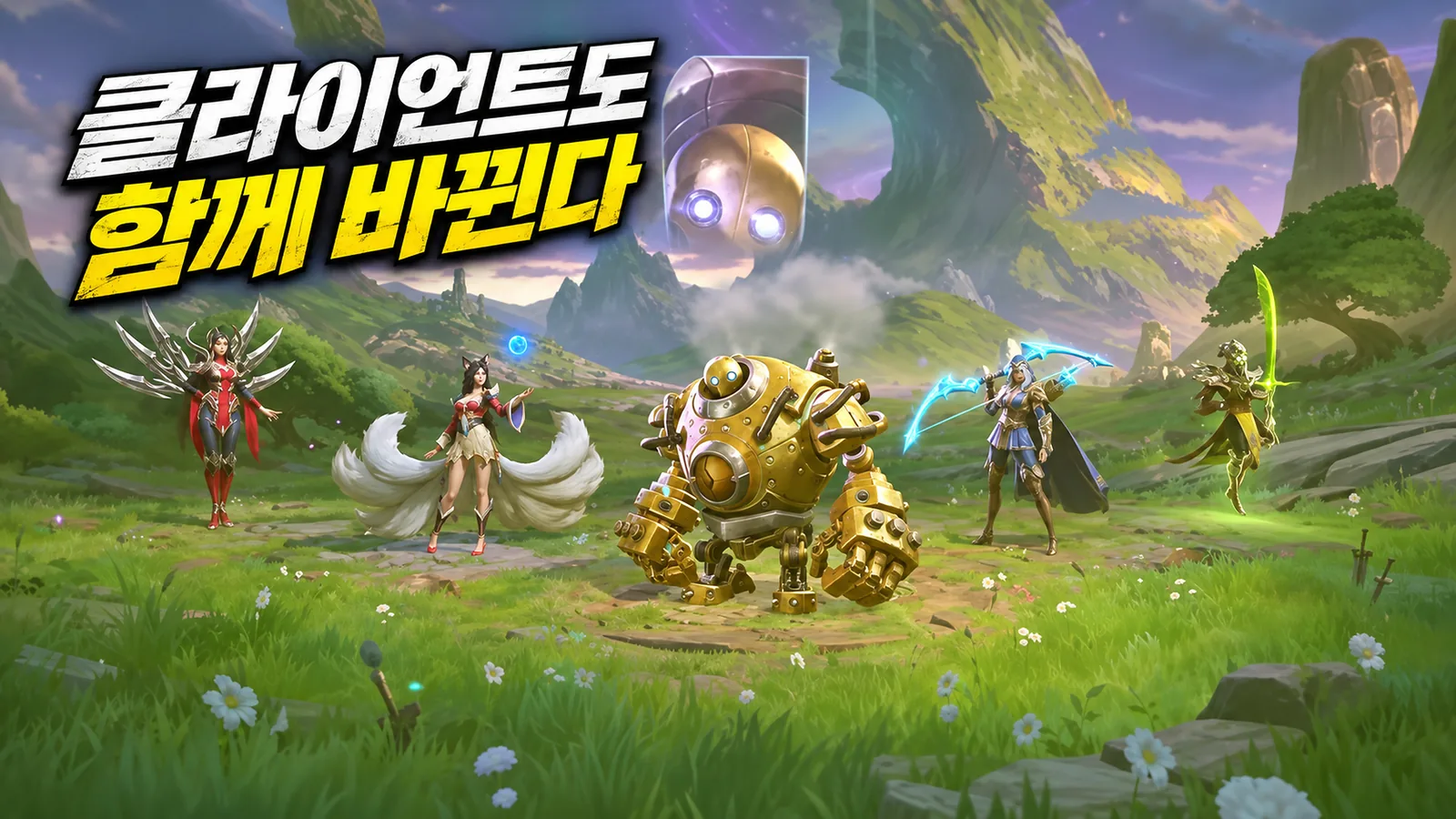
The client isn't merely a launch button. It's where you form a party, choose a mode and champion, and prepare for a match. Small frustrations in these repeated actions become more noticeable across many games.
Riot says a modernized client is coming in 2027. Preview scenes show champions standing together in one space. A more dimensional presentation could make showing off your favorites enjoyable, but an attractive scene doesn't establish usability.
Seeing whether teammates are ready and admiring your champion serve different purposes. A screen can support both, but readiness indicators and match-preparation choices need to stand out. When decisions have a timer, information hierarchy matters more than decoration.
A redesigned interface and better responsiveness or stability also need separate evaluation. The announcement doesn't guarantee particular reductions in loading times or errors. Assess familiar actions: switching menus, joining parties, and retaining your selections.
A new interface inevitably means looking for familiar buttons again. Adaptation is easier when what draws attention matches what you need to click. Beyond fresh spectacle, the client should make finding the next action less demanding.
The Rift's new graphics need lasting combat readability
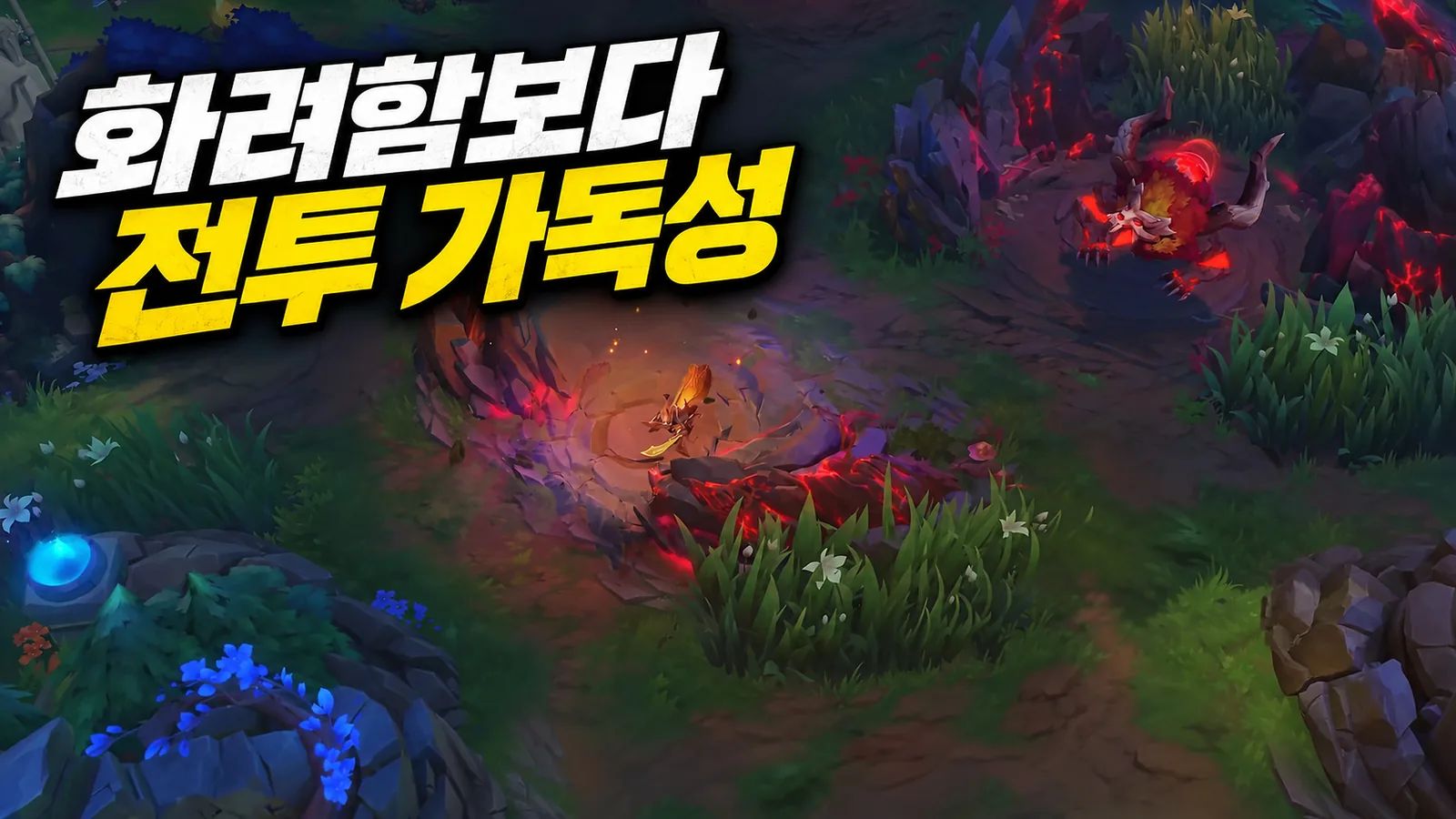
Summoner's Rift is getting a visual overhaul. Preview footage shows changes to textures, lighting, characters, and effects. New scenery is appealing, but a playable match needs detail and readability to work together.
Fights require quick judgments about movement, attack direction, and dangerous ground effects. If the background competes with similar brightness and saturated colors, a richer-looking scene can still make immediate threats harder to identify.
Judge still images and moving combat separately. A close-up highlights a champion's ornamentation and expression; a crowded fight depends more directly on silhouettes and effect boundaries. Those scenes don't need the same density of detail.
Minions and jungle monsters need the same care. A beautiful close-up model must remain recognizable at normal gameplay zoom. Familiar visual cues can change, but the information needed to distinguish targets should survive that transition.
New visuals don't tell us how much system requirements will change. They cannot establish a required graphics card or expected frame rate. Keep enthusiasm for the design separate from performance testing, especially before deciding to upgrade hardware.
Different ability effects don't establish different mechanics
New footage invites questions: is an unfamiliar effect a rework, or a pre-match choice? Riot has mentioned new ways to play and experience favorite champions. Gameplay is clearly part of the overhaul.
Seeing an effect doesn't reveal its rules. A larger-looking attack may not have a larger hitbox; a special effect may not be available to every champion or in every mode. A brief clip cannot establish exact changes to existing ability numbers.
Treat icons on preparation screens similarly. Rune-like options don't confirm their effects or the removal of all current runes. To compare a new choice system, we need its requirements, costs, and the alternatives each choice gives up.
Multiple approaches to one champion could make choices more interesting. If opponents cannot recognize the chosen approach, learning counterplay becomes harder. That's a criterion for assessing the redesign, not a verdict on current balance. More options don't automatically mean clearer decisions.
A few striking clips can easily circulate as though they explain the entire update. Stay open to possibilities without declaring champion winners, losers, or a new meta. That requires effect descriptions and a clear scope of application.
For new players, the learning sequence matters
The new-player experience is also part of the update. Specific tutorial stages haven't been detailed, but addressing the first steps alongside client and combat changes is meaningful.
Beginners learn controls and match objectives at once. Adding every pre-match choice immediately can obscure what matters first, even when each explanation is useful. Removing choices isn't the only answer: distinguish first-match decisions from things that can wait.
Experienced players need a learning sequence too. Familiar controls won't explain new preparation systems or effects. Clearly separating retained rules from changed ones can reduce the burden of adapting instead of assuming veterans need no explanation.
A new look may bring someone back, but knowing what to try differently after that first match takes additional design. The key is how well the initial impression connects to continued learning.
January 2027 should clarify decisions and counterplay
The most interesting question isn't how many screens change, but how actual decisions change. Pre-match choices, recognizing an opponent's choices, and learning after the match need to connect.
The January 2027 reveal should let us assess that more concretely: can you find essential actions in the client, read important Rift effects, and understand both your choices and the opponent's responses?
Ideally, veterans' existing understanding still helps, while newcomers can see where to begin building theirs. For New Dawn to last beyond its visual impact, it needs to give players a better reason to start another match.
