

Hovering around 16,000 in CS2 Premier can make every match feel heavier. A win looks like a breakthrough; a loss can make you question everything. But a stationary rating does not reveal your talent ceiling or diagnose the plateau. Specific situations, rather than the number alone, can help you change the next match.
Ask “Would I make the same choice in that situation again?” instead of only “Why is my rating this low?” Late crosshair movement, unsupported entries, and unnecessary fights with an advantage are actionable details. Rank shows an outcome, not a ready-made practice plan.
What 16,000 does not tell you
Premier’s CS Rating compares competitive results and leaderboard position. Two players with the same rating need not play alike: one may create openings, another hold defensive positions well. A sharp rifle player can still miss opportunities by operating apart from the team.
That makes it difficult to label one rating as the point where fundamentals are “complete,” or where one trick guarantees escape. The same number does not mean the same weakness for everyone. One player’s experience can be relatable without defining the skill distribution or matchmaking of the whole bracket.
Individual decisions and team results do not perfectly overlap. Good preparation can still lose, and a poor entry can succeed by chance. The latter is especially easy to overlook because getting the kill can hide the risk of the decision that preceded it.
Record match content separately from rating changes. Add one question beside the result, such as whether you took the first fight without support or moved with a teammate’s entry. Repeated behavior may appear that wins and losses alone conceal.
Avoiding blame does not make every loss your fault
Spending the entire review blaming teammates leaves no time to examine your choices. Taking responsibility for every loss is not accurate analysis either: you cannot control everyone’s decisions and communication in solo queue.
Review is not about naming the guilty player. It is about finding something you could change. Acknowledge that a teammate followed late, then consider a short call before moving or checking their position next time. Judgments about others can be endless; an action for the next round can be specific.
Separate self-criticism from responsibility. “Why can’t I even do this?” judges you as a person. “Check teammates before throwing the flash” changes a behavior. Both may sound reflective, but only one contains a usable instruction for the next game.
Mindset also does not solve separate issues such as cheating or deliberate griefing. Avoid treating suspicion as fact, while keeping uncontrollable problems distinct from skills you can practice.
If the shot missed, look before the trigger pull
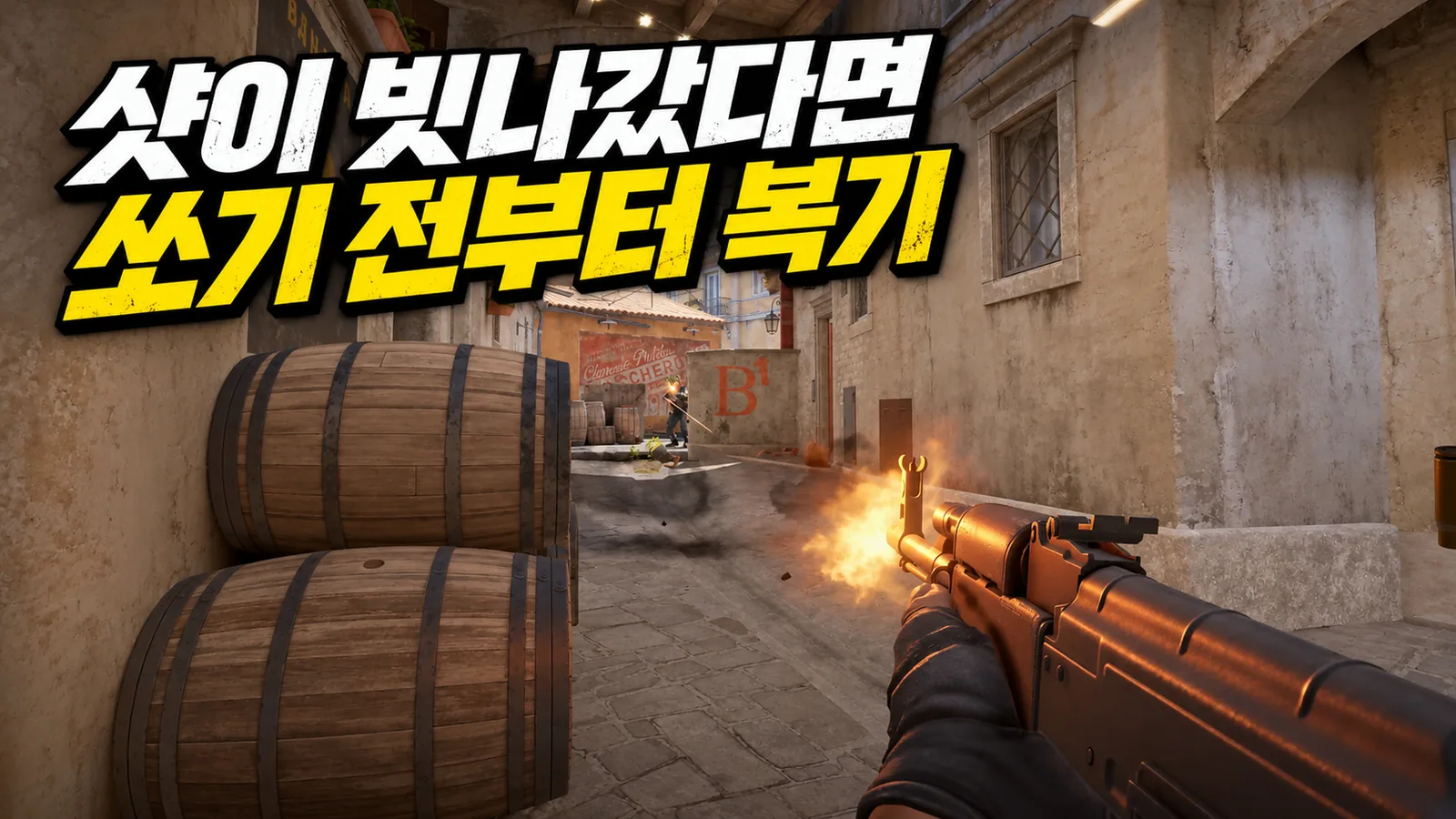
Aim is an obvious frustration after losing a duel, but the setup may matter more than the mouse movement after seeing the enemy. Check whether your crosshair was far from the expected angle, whether you were still moving when firing a rifle, and whether several lines exposed you at once.
For example, approaching a likely corner with your crosshair low adds an upward adjustment when the enemy appears. Calling that only “slow reactions” directs practice toward the wrong issue. Reviewing crosshair placement lets you change your preparation on the same route next time.
Distinguish movement from being stationary when firing. Rifle accuracy suffers while moving, so putting the crosshair on the target is not the whole task. Stopping does not guarantee every bullet lands either: range, recoil, spread, and firing pattern still matter.
You need not analyze every duel in exhaustive detail. Pick a few frustrating moments and check your position before contact, the first shot, and whether cover remained available. Turn “shoot better” into “prepare the crosshair before approaching this corner.”
The team-fight conditions hidden by kill totals
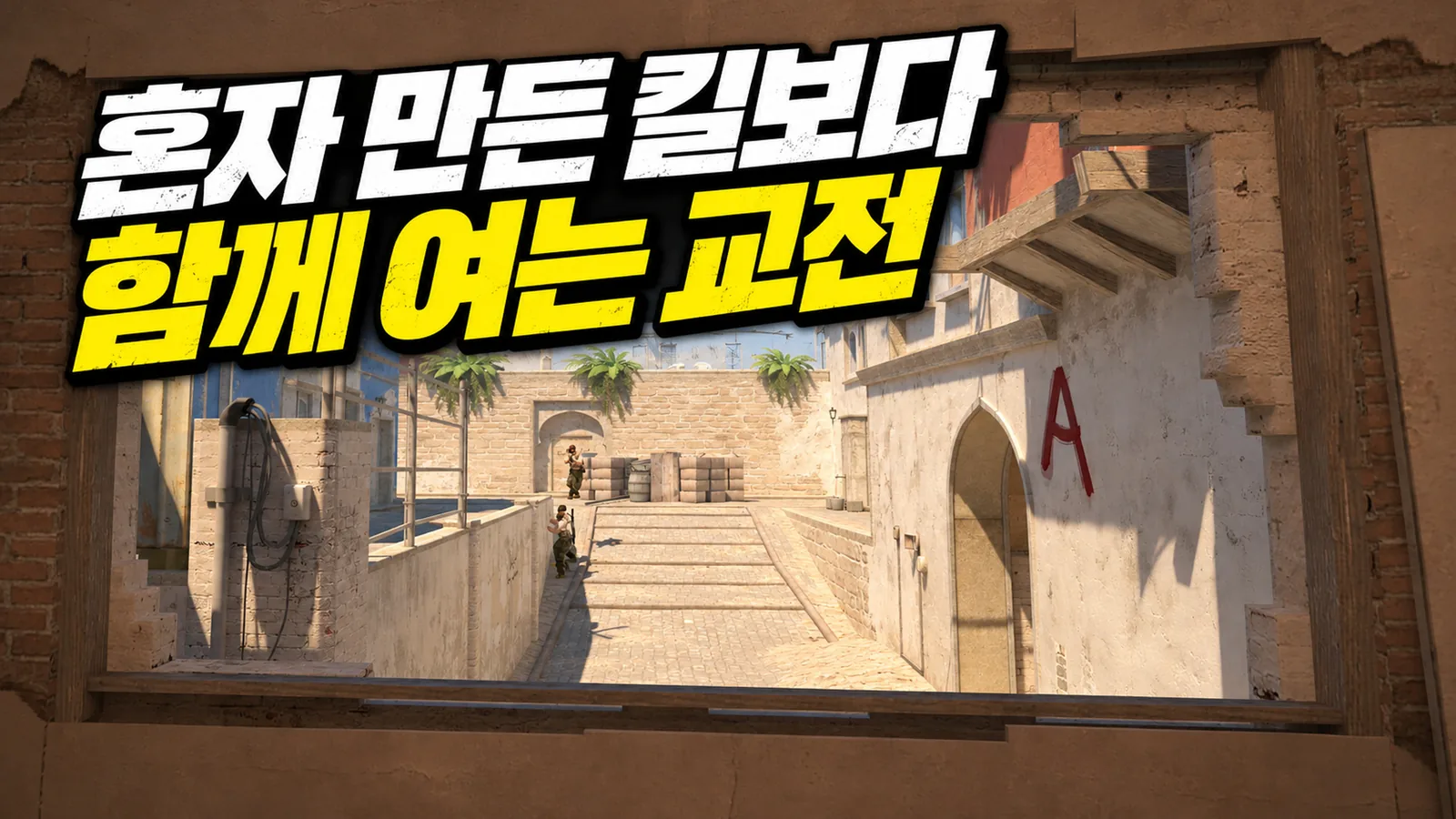
Kills matter, but two kills can leave very different rounds behind them. An entry alongside teammates that breaks a defense creates different follow-up options from a distant kill after the team is dead. The scoreboard does not explain that distinction.
Check whether you were positioned to trade: immediately killing the opponent who eliminated your teammate to recover the player deficit. If the following player cannot connect a sightline when the first fights, moving together may still mean taking separate duels.
That does not mean following as closely as possible. You can all be flashed together or block one another in a narrow route. Useful spacing depends on geometry, cover, and likely enemy positions. “Could I help if my teammate fought now?” is more practical than a fixed gap.
Judge utility by its connection to the next action, not just by how many grenades you carried. A flash followed by no entry is not automatically successful. Confirm readiness and who moves while it has an effect. If you throw it for yourself, also allow time to ready your gun.
Review teammates outside your own camera view. Support might have changed an opening that was difficult alone. The aim is to turn the shooting ability you already have into team opportunities, not merely collect more kills.
Change one thing at a time
A long plateau can tempt you to change sensitivity, crosshair, weapon, and play style at once. That makes it hard to know what helped. Choose one recurring situation and narrow your focus for the next few matches.
| Recurring situation | Action to check next match |
|---|---|
| Dying on an unsupported first entry | Check teammate positions and readiness before moving |
| Large crosshair correction after spotting the enemy | Pre-position the crosshair at the expected contact point |
| Losing a player advantage through another unnecessary duel | Consider repositioning to reconnect sightlines with teammates |
| Flashes that lead to no entry | Briefly agree on timing and who will enter |
This table is a set of review examples, not a diagnosis or a rating-gain formula. Check which situations actually repeat in your games. One common example is enough to start with.
Notes can be short. “Check the teammate behind me before entry” is more useful in a round than “focus harder.” Then review whether you performed that action and what followed, not only whether you won.
Do not collect only failures. Include an entry with well-timed support or a round where refusing another peek preserved an advantage. Decide what to repeat as well as what to reduce. Recording successful choices also prevents attributing every win vaguely to feeling good.
You can want a higher rating and still enjoy the match
Progress and enjoyment can coexist. A coordinated flash, a correctly anticipated hold, or a short call that brings the team together under pressure is part of the fun. Recognizing only rating gains can reduce every such moment to a stepping stone toward the next rank.
Before instantly re-queueing after a losing streak, ask what you intend to change. If you keep rushing the same way, reviewing one situation may help more than immediately starting again. If teamwork remains enjoyable and you are focused, however, a static rating does not make every play a failure.
There is no promised date for climbing beyond 16,000. You can still choose one behavior not to repeat next match. Seeing decisions that the scoreboard hides changes the question from “Is this my limit?” to “What can I do differently in the next fight?”
