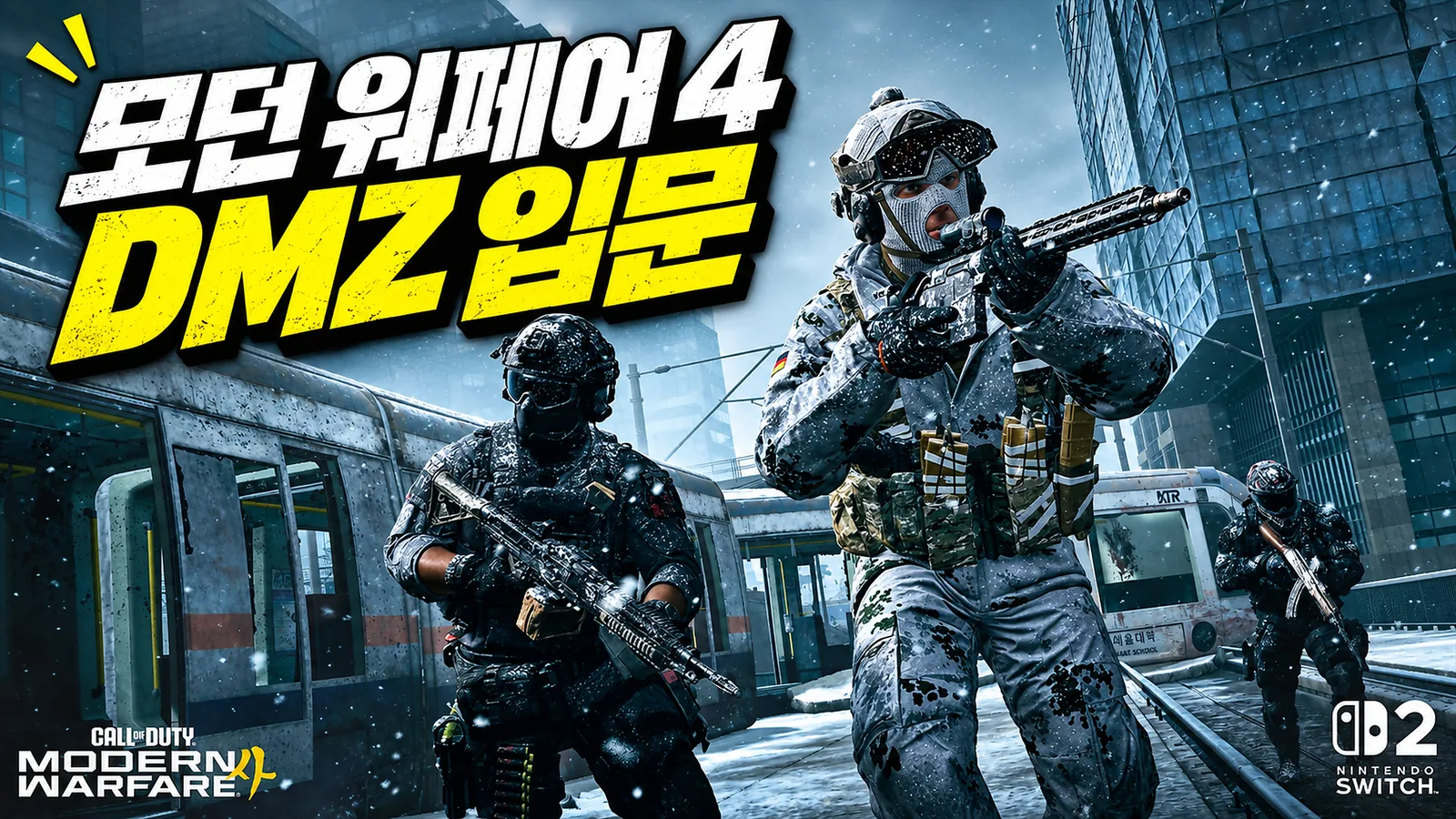

In Modern Warfare 4 DMZ, your kill count is only part of the story. What matters is finding what you need, getting it out, and using it to prepare for your next deployment. You can win a firefight and still lose your gear if you fail to extract. Equally, avoiding a major fight can be a successful run if you bring back the resources you came for.
That loop makes it easier to decide whether DMZ is for you. If you want Call of Duty combat with looting and long-term progression, it is worth a look. If you are expecting a quiet co-op mission game, first understand the risk of running into other players and the cost of failure. Accessible gunplay does not necessarily mean forgiving losses.
How is DMZ different from battle royale?
DMZ is an extraction shooter: you deploy, complete objectives, collect loot, and try to leave alive. Set in Hajin after the events of the Modern Warfare 4 campaign, it puts AI forces and other players in the same combat zone. This is what PvPvE means: player-versus-player combat and player-versus-environment encounters sharing one battlefield.
Battle royale offers a useful comparison. It usually revolves around surviving to become the last player or squad standing. In DMZ, you choose what you want to get out of each run. Mission progress, crafting materials, and new equipment bring players with different goals onto the same map. Since they are not all chasing the same win condition, you cannot immediately know what another squad wants.
Combat can therefore be a goal or a means to an end. Clearing soldiers who block your objective is a different calculation from chasing another squad with a full backpack. The latter might bring better loot, but you are also risking everything you have already collected. Those decisions are central to DMZ's appeal. Alongside enjoying the shooting, ask whether you enjoy deciding when to stop fighting.
Story Missions, Dynamic Operations, and Free Roaming
Your deployment options include Story Missions, Dynamic Operations, and Free Roaming. The names can make them sound like separate games. For a newcomer, the useful distinction is how clearly each option gives your run a purpose.
| Deployment option | Main activity | What to consider |
|---|---|---|
| Story Missions | Follow narrative objectives | Use the briefing and prerequisites to plan your next steps |
| Dynamic Operations | Complete operations and secure supplies | Work toward cash, XP, and loot together |
| Free Roaming | Explore without a set mission | Plan a route around materials or personal goals |
Dynamic Operations are more than a way to earn cash: completion rewards also include XP and supplies. Free Roaming does not have to mean wandering aimlessly, either. If you need a specific crafting ingredient, an open-ended deployment can have a very precise goal.
You do not need to do everything at once to make use of that freedom. While learning the map and systems, missions give you a clear reason to move from one place to another. Set one main goal for a run, then add activities when your gear and circumstances allow. This is an approach to learning what went wrong and why, rather than a claim about the fastest way to earn rewards.
How the FOB and crafting turn loot into your next loadout
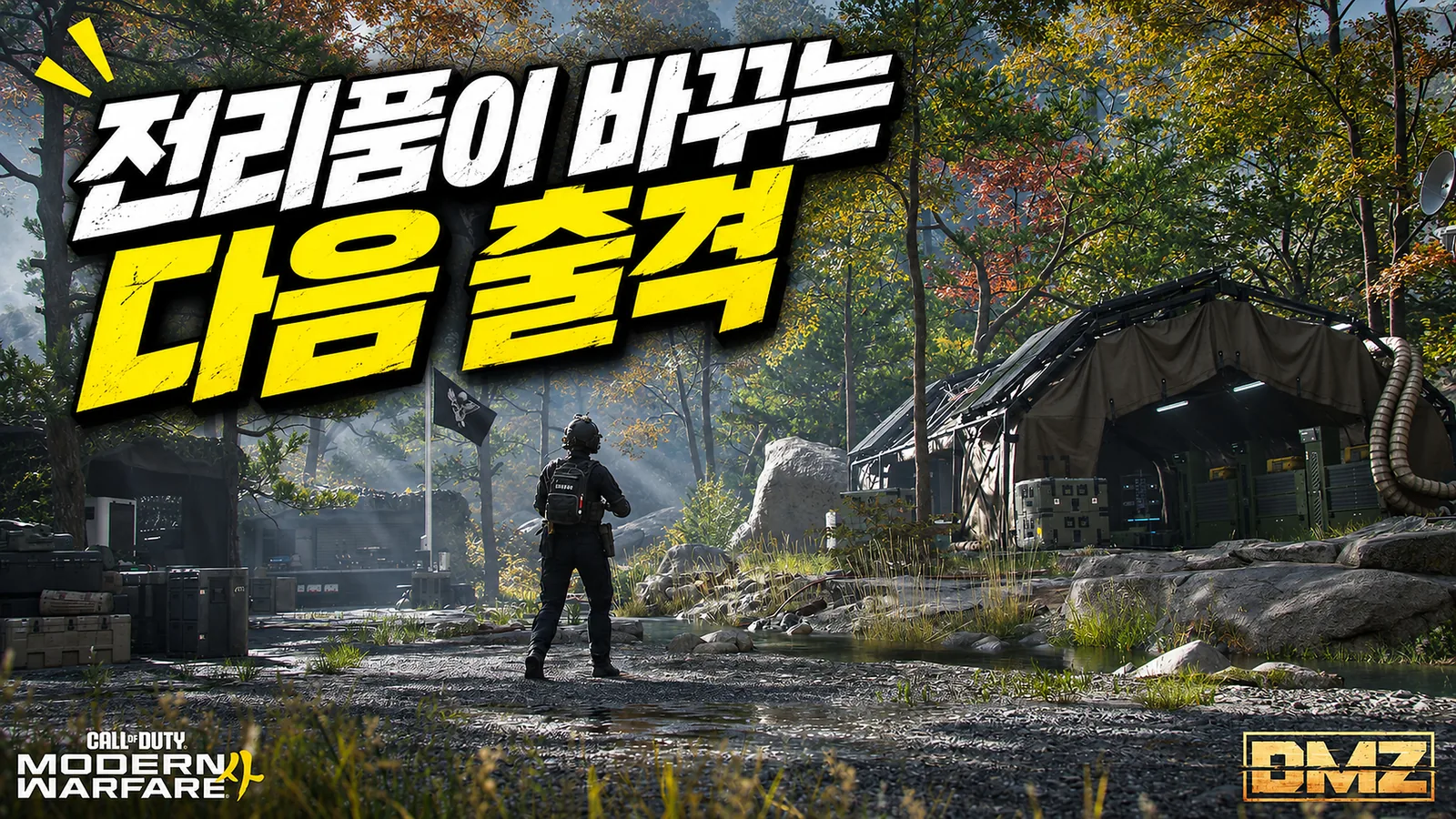
The Forward Operating Base, or FOB, is where you return between deployments. Here you store items, prepare equipment, and manage your Operators and progression. More base functions unlock as you advance, so an item's value is not limited to whether you can use it in a fight right away.
The 3D Printer, for example, uses recipes and resources to craft gear and upgrade base facilities. Bringing back the right recipe or ingredients changes the options available before your next run. That gives battlefield loot a purpose beyond selling it as junk. Even an item you cannot use immediately may be worth keeping if it contributes to something you plan to craft.
That connection is one of DMZ's strongest ideas. Finding a good weapon can help you now, while materials give you a reason to think about what to build and prepare next. Inventory management can still become a chore if filling your stash becomes an end in itself. Progression feels more rewarding when the things you collect serve a specific next goal.
Early on, I would prioritize materials for a current crafting goal over grabbing everything that looks expensive. Having a purpose makes routes and extraction decisions easier to judge, even in familiar areas. It does not mean you must leave the moment you find what you need. It gives you a way to weigh protecting your haul against the potential gains of staying longer.
What do you lose when extraction fails, and what stays?
This is the first thing to examine when judging DMZ's learning curve. An Operator eliminated during a deployment becomes MIA, or missing in action, and cannot simply deploy again. Paying DMZ Cash to recover them preserves their Traits, but does not restore their equipment. Recovery also costs more for Operators with more Trait Points.
You can therefore face both lost gear and an Operator recovery bill. The more you want to keep using a developed Operator, the more reason you have to hold some cash in reserve instead of spending it all on new equipment. DMZ Cash is an in-game currency; this does not mean you have to pay real money every time you die.
A failed run does not erase all progress, though. DMZ XP earned during the deployment still contributes to player progression even if you do not extract. The November 10 update also added a Scavenger Bonus, awarding cash after a failed extraction based on the value of looted items and time spent deployed. It does not apply to Story Missions, and it does not remove equipment losses.
That matters because even an unsuccessful run can leave you with something toward your next attempt. The bonus alone does not tell us whether recovery is affordable enough, however. The practical question is how much play it takes to replace equipment and cover recovery costs after several failures in a row. Easy access to the fighting can still feel demanding if preparing another attempt takes a long time, especially in short sessions.
You can play solo, but this is not relaxed PvE
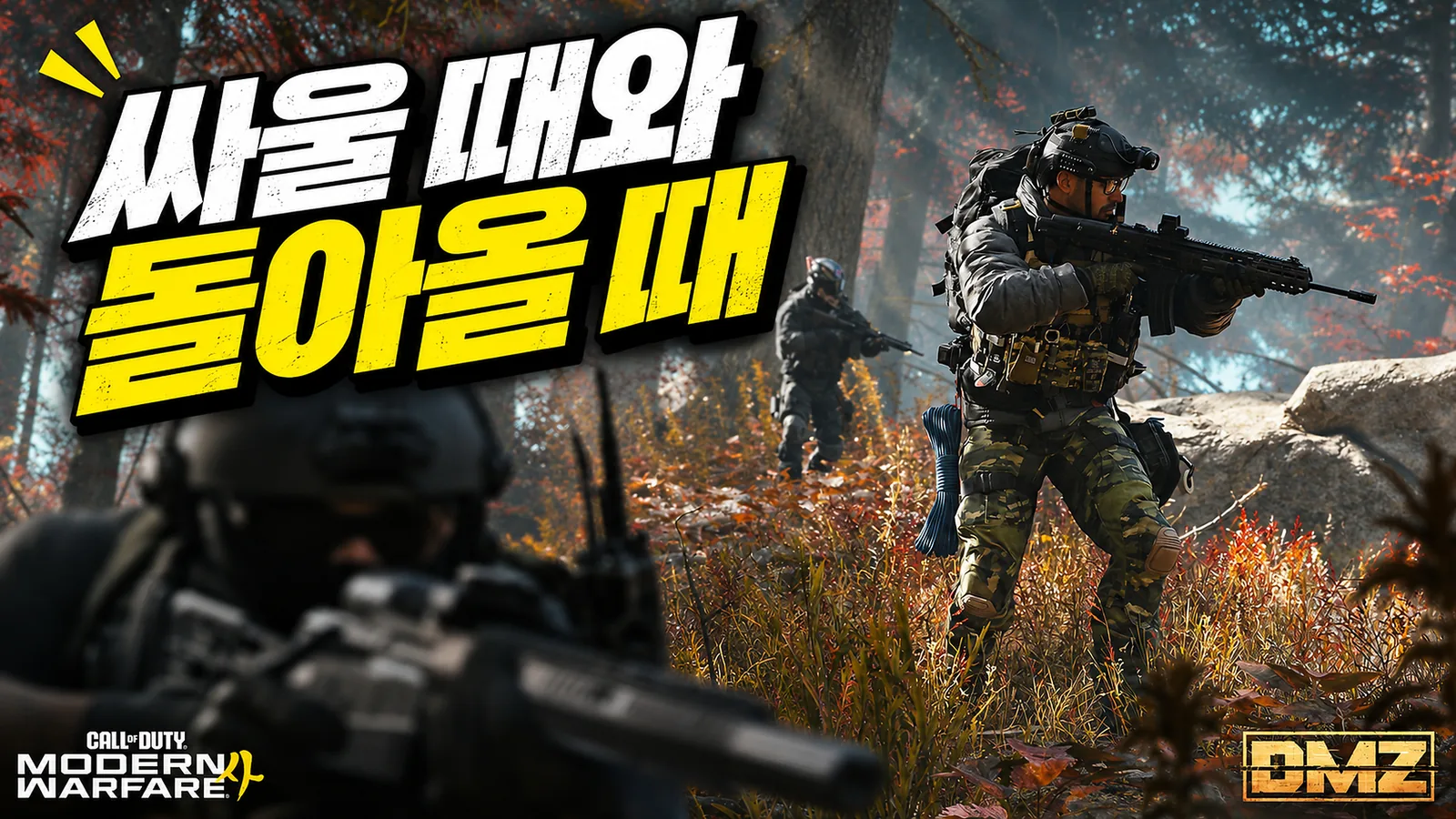
DMZ lets you deploy alone or use squad fill to find teammates. Solo access does not mean solo-only matchmaking or an easier difficulty setting. On your own, you must loot, watch your surroundings, and make combat decisions at the same time. That can narrow the situations you can reasonably handle, even with the same equipment.
Players focused on missions and materials still face the risk of meeting rival Operators. Expecting quiet co-op exploration simply because AI enemies are present will give you the wrong picture. Those unpredictable encounters are also what make looting and extraction tense. Instead of treating PvP as an automatic advantage or drawback, consider whether you enjoy exploring with that risk attached.
Hajin's threat indicators need careful reading, too. A region's threat level reflects the danger of the AI response, not the risk posed by human players. A low rating does not rule out another squad lying in ambush. Escalating AI activity from sustained gunfire and an approaching rival team are separate threats to watch.
The deployment preparation screen also offers a Free Loadout with basic combat equipment. It can reduce the value of the gear you bring in, but it does not make Operator recovery free.
For your first runs, I would choose a setup you can afford to replace rather than bringing all your best equipment and relying on its power. The first solo skills to learn are judging whether a route is still viable and recognizing where you can disengage. Being able to absorb losses gives you more chances to practice those decisions.
PvP tension and one-sided hunting deserve separate scrutiny
Hunting other players is part of DMZ's official systems. Bounties and tracking mechanics exist, and aggressive activity can expose you to greater danger in return. It would be inaccurate to describe all player hunting as behavior outside the intended game.
But a bounty system does not automatically give mission-focused players enough ways to respond. An attack just before extraction can still produce a tense, meaningful failure if scouting, rerouting, or disengaging could change the outcome. If every attempt feels blocked at the same point regardless of preparation, the motivation to keep playing weakens. What matters is not just the size of the loss, but whether you can do something differently next time.
Groups coordinating in advance to enter the same match and hunt others should also be distinguished from chance encounters. Without evidence about frequency and scale, however, it is premature to say that organized teaming is widespread. Normal squad combat, spontaneous cooperation, and prearranged collusion are different situations, and identifying them accurately matters when discussing solutions.
The most useful question for DMZ's development is whether players who choose missions and looting have enough room to adapt their decisions. Avoiding a fight need not guarantee a safe extraction, but reading and responding to danger should count for something. Combat and collection need to support each other if players with different goals are to keep sharing the battlefield.
Who is DMZ likely to suit?
Modern Warfare 4 DMZ suits players who want one run's combat to feed into the next run's preparation. A good test is whether you enjoy planning routes for useful items and scaling back your goals to extract when an unexpected fight changes the situation.
It may feel burdensome if replacing equipment after a loss sounds tedious, or if you do not want other players interfering with missions at all. Consider whether you mainly want quick, repeated fights or also enjoy the preparation and risk decisions between them.
DMZ's appeal lies in improving both your ability to survive and your judgment about when to leave. The possibility of losing a hard-earned haul makes extraction matter; using that haul to expand your next set of options gives you a reason to return. Whether that cycle makes you want another run matters more than how spectacular any single firefight looks.
