

The Akimbo Wingman in Apex Legends does not automatically become easier to use just because you have two guns. Season 31: Cipher changes its magazine and firing pattern, but also brings lower base damage, more recoil, and a longer reload. What matters most is how consistently you land both shots in a burst and get into position for the next one safely.
If you enjoy the Wingman's heavy-hitting single shots, the change may feel exciting and unfamiliar at the same time. Single-fire and burst-fire play ask for different timing. Breaking down the adjustments helps explain why the new version might not feel as strong as expected—and where it can still earn a place in your loadout.
How to Get Akimbo Wingmans—and What Ammo to Pick Up
Akimbo means wielding a pistol in each hand. Pick up a second Wingman while carrying one and you automatically enter Akimbo mode. You need another copy of the weapon, rather than a dedicated hop-up. Look for them as floor loot and at Heavy Ammo Arsenals.
Returning players should update their ammo habits first. The Wingman now uses Heavy Ammo instead of Sniper Ammo, and takes Extended Heavy Mags rather than Extended Sniper Mags. Looting according to the old setup can leave you collecting supplies you no longer need.
That does not mean finding a second Wingman should take over your entire loot route. Splitting from your squad or missing a rotation can cost more than finishing the weapon gains you. Put together a loadout you can fight with, then look for the second pistol along your route. Completing Akimbo and setting up a favorable fight are two separate tasks.
The Wingman Changes That Matter Most
This update combines changes to the base Wingman with adjustments that apply in Akimbo mode. Keep the two separate when comparing a single pistol with the dual-wield setup.
| Category | Confirmed change | What to watch in a fight |
|---|---|---|
| Base Wingman | Base damage reduced from 50 to 45 | Hits needed to down the same target |
| Ammo and magazines | Now uses Heavy Ammo and Extended Heavy Mags | Loot routes and ammo resupply |
| Akimbo magazine | Magazine capacity doubled | How long you can keep firing before a reload |
| Akimbo firing pattern | The two guns fire in quick succession | Keeping your aim on target after the first shot |
| Akimbo headshots | 1.25x multiplier; listed damage of 56 | Headshot reward versus reliable body hits |
| Akimbo handling | Slightly higher fire rate, with more recoil and a longer reload | Consecutive hits and exposure during reloads |
The 5-damage reduction is more significant than it may look. For a simple example, take a target with 200 combined health and shields, no healing or damage reduction, and only body hits. Four shots at 50 damage deal 200; four at 45 deal 180, so you need another hit. This illustrates a shots-to-down breakpoint, not a guarantee that time to kill always increases. Akimbo also changes the fire rate and burst pattern.
That is why the benefit of a second gun and the cost of weaker individual shots need separate consideration. A larger magazine still leaves an opening for an enemy to reach cover or shoot back if you need one more hit at the crucial moment. On the other hand, landing those extra shots makes the additional capacity useful. Judge the weapon by damage delivered, not rounds left in your hands.
A Two-Shot Burst Is Not Finished After the First Hit
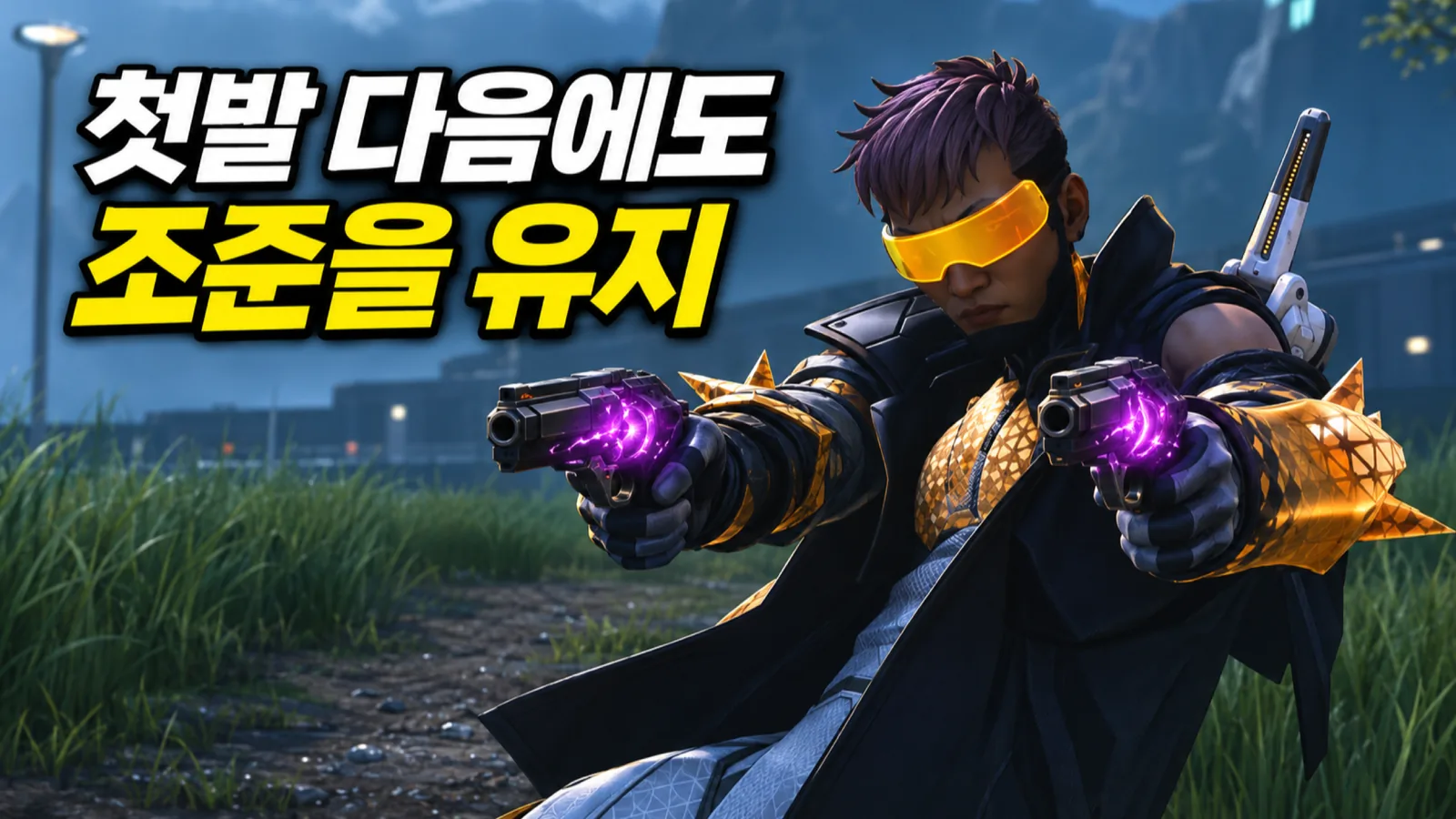
The Akimbo Wingman does not fire both pistols at exactly the same time. It fires them one after the other in a quick burst; holding the trigger continues into subsequent bursts. The ability to hold fire can make it feel like an automatic weapon, but it is more useful to think of its damage in two-shot packets.
At 45 base damage, two body hits deal 90 in total. Land only the first and you get 45. If you relax your aim after the opening hit or lose track of the target's movement, you lose the rest of that burst's expected damage. Practice needs to go beyond placing the first shot: keep tracking until the second round has fired.
This may be the biggest adjustment for experienced Wingman users. With single shots, each trigger pull gives you a fairly clear moment to reset for the next. A burst asks you to track and manage recoil within that same firing sequence. The developers describe the burst Akimbo design as a way to preserve the Wingman's demanding mid-range poke identity while making it less intimidating. An accessibility goal does not mean every player will find the result easier.
Start practice by checking one burst at a time instead of immediately holding the trigger. Group both shots on a stationary target, track a target moving side to side, then link bursts together. Focus on where the second bullet misses rather than chasing a best score. If the first shot often lands on its own, holding your aim longer is a better starting point than firing faster.
There is also a change for players who prefer tapping. This patch restores firing input queues for auto-firing burst weapons, including the Akimbo Wingman, so you can queue the next shot. Whether you hold the trigger or tap each burst, choose a pace your tracking can actually support in a fight.
When Two Reliable Body Hits Beat Chasing Headshots
In Akimbo mode, the headshot multiplier is 1.25x and the officially listed headshot damage is 56. Against a 45-damage body shot, that is an extra 11 per hit. Headshots still matter, but chasing a smaller target can reduce your total burst damage if it makes the other shot miss.
Using those listed values, two body hits deal 90; one headshot followed by a miss deals 56. One headshot plus one body hit deals 101. The takeaway is not to give up on headshots, but to avoid sacrificing both-shot consistency just to aim at the head. These calculations assume no damage modifiers; hit location and other effects can change actual results.
At mid range, a clear view of the upper body and a readable movement direction can make two consistent hits the sensible aim. If an enemy exposes only their head above cover, the body is not an available target, so your decision changes. Adjust your aim to the situation, then evaluate the burst damage you can repeat rather than your single highest hit.
Plan Your Reload Position Before Relying on the Bigger Magazine
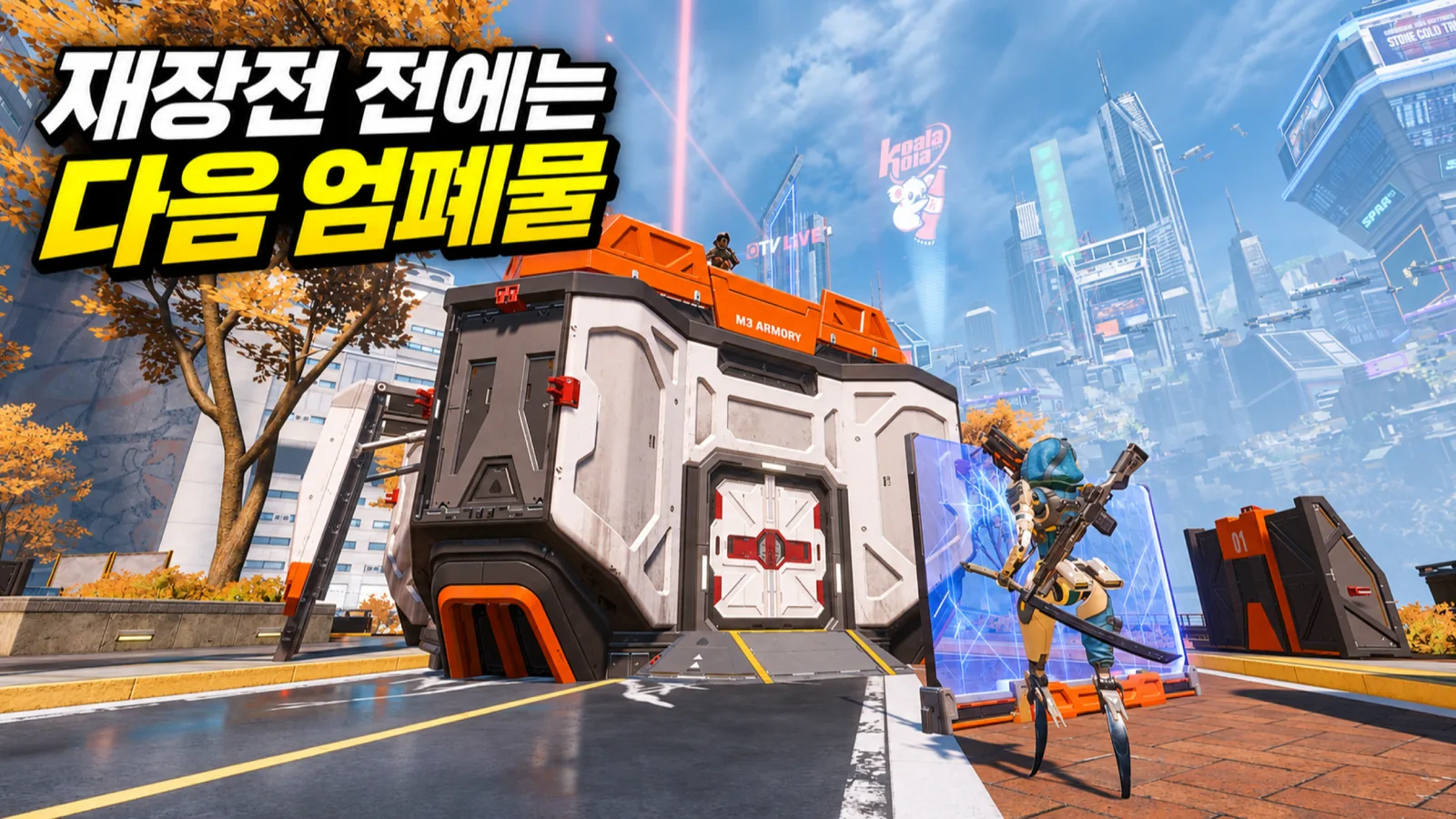
A doubled magazine gives you more shots before reloading. It does not remove the danger at the end of the magazine, because the reload itself takes longer. Keep firing in the open until you run dry and you can end up exposed for longer, then have no immediate answer when the enemy pushes.
With Akimbo Wingmans, plan where you will shoot and where you will reload together. Use corners or elevation that let you duck back after firing. If an enemy is close enough to rush you, leave yourself the option to respond with your secondary before committing to a reload. A few remaining rounds are not a reason to keep shooting regardless of how the fight is developing.
The Strongholds introduced this season call for the same thinking. They unlock after you secure the surrounding area and deploy cover as they land. Other squads may also arrive for the rewards, so a long duel with the enemy in front of you is only part of the problem. Even behind a Stronghold wall or nearby cover, check flanking sightlines and an escape route. A position that supports sustained Akimbo fire may still expose you to another team during the reload.
Choose a Secondary That Covers the Wingman's Gaps
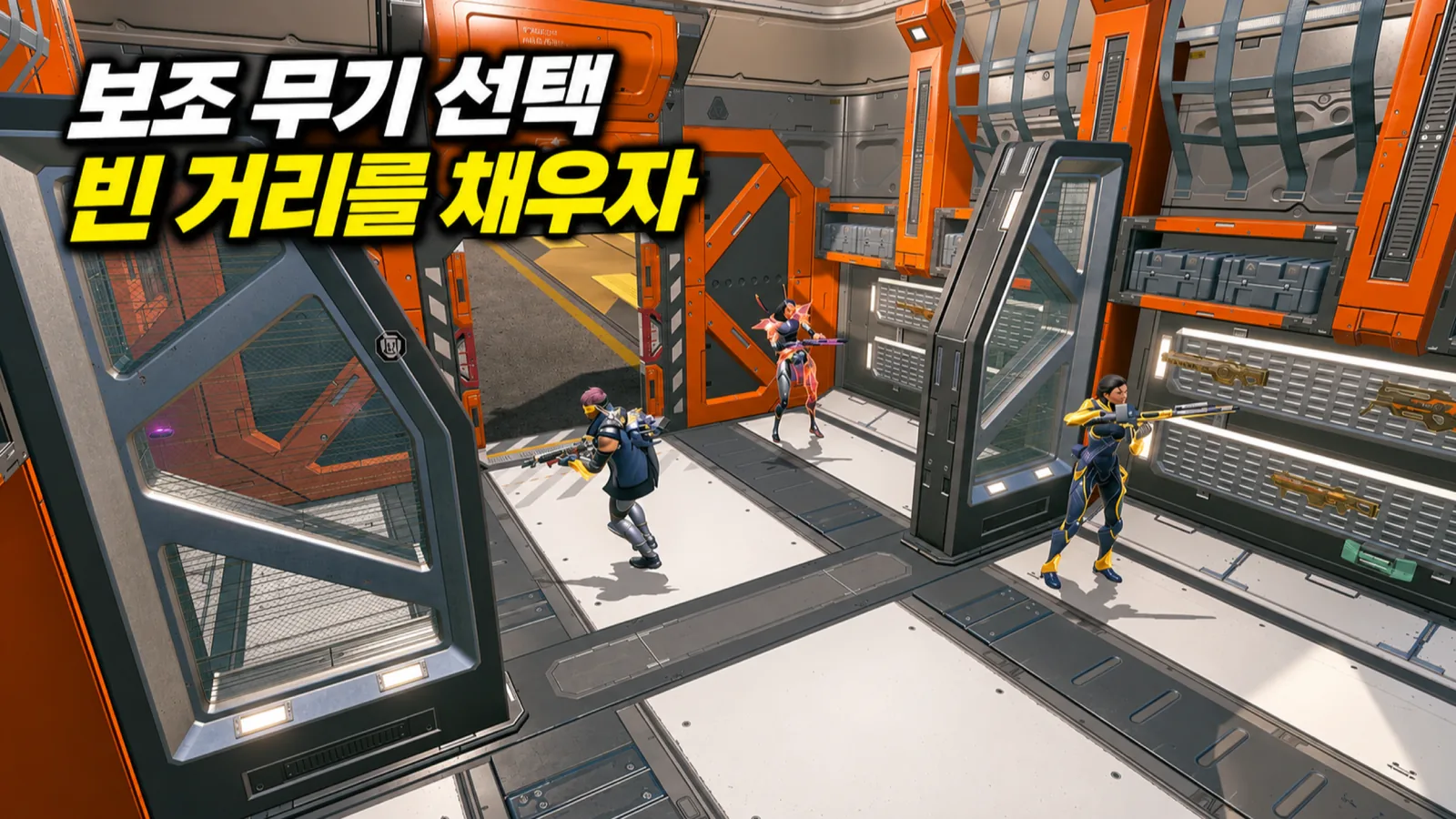
If your secondary is just as demanding to land shots with, missing both rounds of a Wingman burst can leave you short of answers. An SMG you already know is one option when you need sustained fire against an enemy who gets close. If your squad needs you to provide pressure from farther away, consider a weapon that covers medium to long range instead.
No single pairing is always correct. Covering close range can weaken your long-range options; covering distance can leave you struggling against a sudden push. The gap depends on your teammates' ranges and where you usually initiate fights. Rather than memorizing a recommended pairing, ask whether the secondary solves situations the Wingman does not handle comfortably.
The switch to Heavy Ammo matters here, too. Sharing ammo with your secondary can simplify inventory management, but both weapons draw from the same reserve. Carrying two ammo types takes separate supplies, while giving you another option if one runs short. Either way, weigh range coverage and resupply demands together instead of choosing by ammo type alone.
Choose Akimbo Wingmans for Bursts You Can Repeat
There is an obvious appeal to carrying a Wingman in each hand. For performance, though, repeatedly landing both shots on a moving target matters more than one spectacular burst. With base damage and handling changing together, the extra pistol alone does not make this a straight upgrade over the old Wingman.
If grouping both shots suits you and you can return to cover after firing, the weapon has a clear use. If you keep landing the opener but missing the follow-up, or getting pushed during reloads, choosing something you can hit with more consistently is equally reasonable. Learning a new weapon and securing reliable ranked results do not always take the same priority. The Akimbo Wingman's value shows when you fit both shots into your fighting rhythm, not merely when you pick up the second gun.
