

TFT Set 19, Prismatic Tour, is a music-themed set scheduled for December 2. Its 94 champions shape both your composition and the soundtrack. Familiar groups such as K/DA and Pentakill return, but treating it as a rerun of Set 10's Remix Rumble would miss some important changes.
Start by learning how to reach a composition, rather than just its final board. Unlocks return alongside traits that scale with star levels or let you adjust stats during planning. Knowing which champion is strong won't explain how to find them or keep your current board competitive.
These are preview details. Numbers and requirements may change before launch.
Set 19's release date and a different approach to music
Prismatic Tour brings together genres from around the world. Mixing bands or fielding solo artists changes the arrangement. Your board's development becomes part of the soundtrack, rather than simply letting you select background music.
Remix Rumble players will recognize music changing with traits. Here, musical layers change priority with your play, with variations for trait breakpoints and combat. Planning leaves room to think; combat raises the intensity.
Solo artists have their own role. Miss Fortune adds an 8-bit layer as she joins and develops on your board. A unit gaining importance in your composition also becomes more prominent in the music. That adds something new for players returning for their favorite bands.
Unlocks determine which champions can enter your shop

Unlocks make a champion eligible for your shop after you meet a condition during the game. The entire roster isn't waiting under identical conditions from the outset. Finding a particular unit also means understanding what you must do first.
The examples vary in difficulty. Fielding three HEARTSTEEL champions unlocks manager Alune; Smeech requires at least eight active traits. One follows a particular band's progression, while the other fits Jazz's varied trait setup.
A useful learning order is units your current composition unlocks naturally, units that complete its late game, and units to chase only when conditions align. Start with unlocks connected to your board instead of memorizing all 94 champions.
The rule guaranteeing one copy of a newly unlocked unit in your next shop also returns. Keep enough gold to buy it: unlocking doesn't field it automatically. Unwanted units can also gradually disappear from your shops when you pass on them or sell copies you own.
Access to a unit and room for it are separate problems. Waiting for a late-game carry while your frontline collapses can leave you too weak now. Check whether pursuing an unlock also improves the composition you're currently playing.
K/DA counts star levels, not just champions
Higher K/DA breakpoints depend on the combined star levels of K/DA units on your board. Two 1-stars and two 2-stars use the same slots but contribute differently. Upgrading existing champions therefore matters alongside adding another distinct unit.
New breakpoints add K/DA songs and effects such as reduced mana costs, shields, or attack speed. A fuller soundtrack accompanies growing combat power.
That doesn't automatically make K/DA a forced reroll composition. Compare the cost of upgrades with access to higher-tier units. Can one upgrade reach the next breakpoint, or would leveling for an extra slot make you stronger?
Akali also differs from Set 10. K/DA Akali and True Damage Akali are separate units with different unlocks, abilities, and roster entries. They aren't one champion changing forms with the active group. Don't plan around the old transformation rule just because the names are familiar.
ILLBEATS adds choices during planning
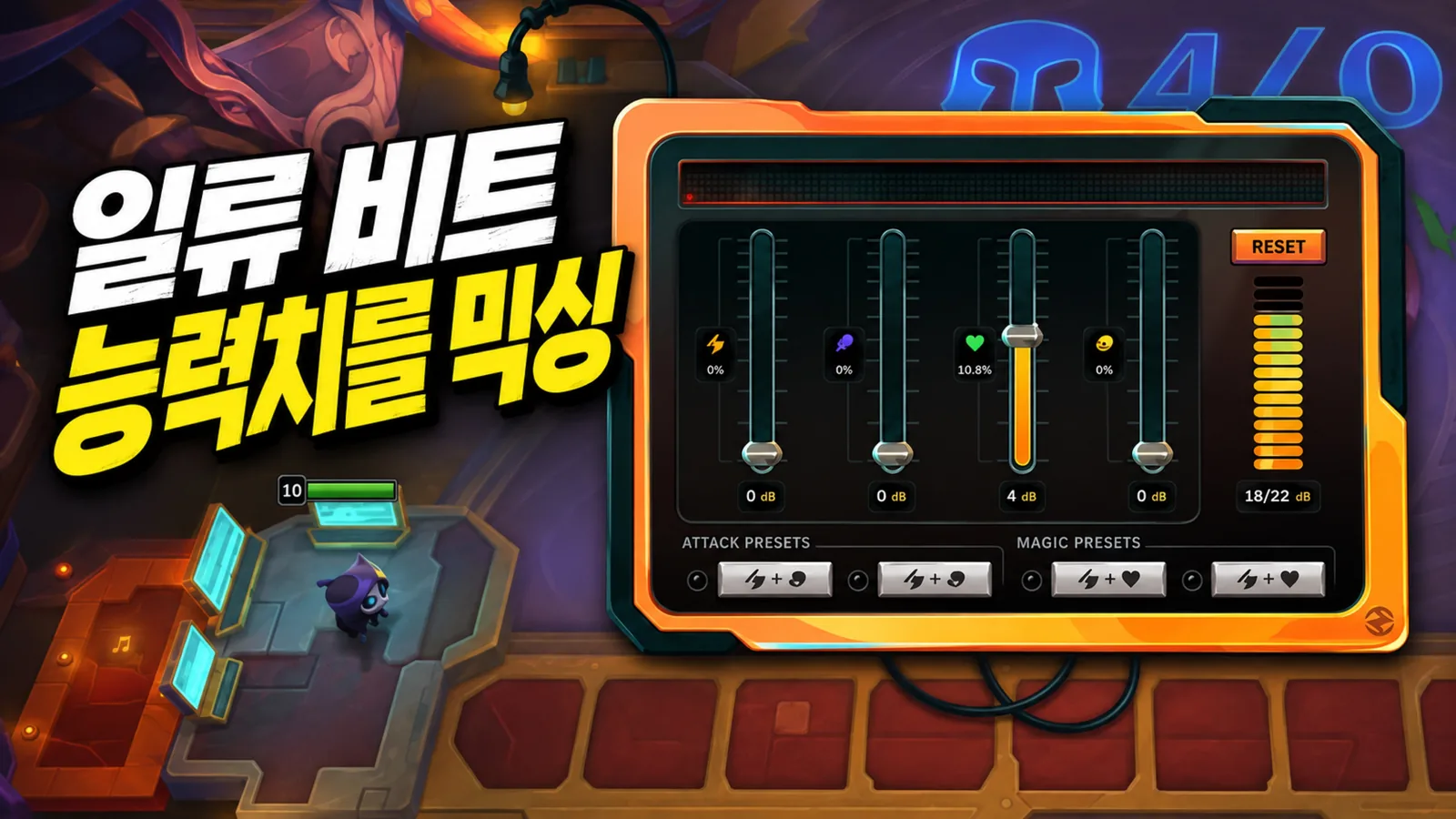
ILLBEATS uses a mixer-style interface to adjust health, Attack Damage, Ability Power, and the chance to generate gold from takedowns. Rather than receiving only fixed bonuses, you can change the settings during planning for the next fight.
If a sturdier frontline lets your carry cast again, health may be valuable. If you're already securing takedowns, consider gold generation. These illustrate how to evaluate a choice, not a universal slider preset.
The gold chance depends on takedowns. Raising the economy setting doesn't guarantee income like interest. Sacrifice so much combat power that you can't kill anything, and the economic benefit may never materialize.
Scouting gains another purpose: work out whether survival or damage limits you against the next opponent, then adjust. The appeal lies in responding to combat results rather than copying one supposedly perfect mixer setup.
True Damage's A-side and B-side reward different plans
True Damage switches between A-side and B-side to collect Bling, with an opportunity to cash out every four rounds. A-side offers bonus true damage and Bling from takedowns, with more for wins. B-side builds Bling through losses, but a win costs a substantial share of your accumulated Bling.
B-side isn't simply a switch for when you're losing. Do you have enough health to keep losing, can you survive until cashout, and might you win unexpectedly? A large reward won't help if you're eliminated before using it.
The two sides put different economic plans inside one trait. Your board strength and remaining health determine which fits. Cash out and improve your board at the right moment instead of maintaining a loss streak for its own sake.
Check whether you can reach a 7-cost before chasing one
Expensive units bring bigger spectacles. Composer Malzahar gathers instruments through successive stages to unlock the 7-cost Baron Nashor, who summons an orchestra and Rift Heralds. The journey toward the unlock and its payoff are designed together.
Hyperpop starts with Ziggs and leads into unlocking other members. Some traits make their own progression the route to more units. Others, such as Gu Feng, emphasize difficult challenges. Similar-looking end goals can require very different economies and board strength.
Study intermediate boards as well as final lineups. Who deals damage and holds the frontline before the key unlock, and how much gold must you preserve? Understanding that lets you adapt to different shops. A high cost identifies a goal; it doesn't teach you to survive until you reach it.
Learn one unlock route and keep a pivot available
For your first composition, choose an unlock route you can satisfy naturally. Learn its carry upgrades, items, and leveling timings, then gradually add alternative support units for games where the shop offers something different.
Prismatic Tour's promise is less its roster size than the different directions available from the same start. Pursue unlocks without abandoning present board strength, and weigh what mixer choices gain or lose in the next fight. Those habits should make early-set guides easier to adapt to your own shops and boards.
