

The biggest change in TFT patch 18.6 is the launch of a standalone client. But a new launch screen and a sufficiently stable game are two different things. In assessing this update, shop inputs registering on time, readable information, and uninterrupted matches matter more than the lobby's first impression.
A foundation for adding more features is welcome. Yet if basic controls feel awkward, those features become harder to appreciate. It helps to separate what client independence means, which improvements are already live, and which tasks remain for later updates.
What changes with TFT's standalone client?
In patch 18.6, TFT moves out of its former space inside the League of Legends client and into a dedicated client. That does not remove the connection between the two games: the official announcement says you can switch between them with a button.
The aim is more than a separate application window. It creates room to expand TFT-specific events, lobbies, and features such as cosmetic previews. The reasoning is that designing for one game's needs offers more freedom than accommodating several games in a shared space.
It is easy to get confused if you treat the engine and client as the same thing. The engine is the technical foundation running combat and graphics; the client is the program players use to access lobbies and menus. TFT's move to Unreal Engine and its dedicated client are related changes, but introducing one does not automatically fix problems in the other.
That distinction matters. A different lobby does not mean every in-game frame drop has been resolved. Equally, shortcomings in the initial menus do not erase the potential for dedicated features. Present usability and future possibilities each need their own assessment.
Why the download is large and what to check during an update
The rollout is expected to take longer than usual on both PC and mobile. The PC download is particularly large because it includes the standalone client. The official patch notes say later patches should return to their usual size.
A slow download and problems after launching deserve separate investigation. Downloading a large file, getting stuck in repeated updates, and connecting successfully but experiencing interruptions in combat need not have the same cause. Calling all of them a 'broken patch' makes it harder to decide what to check.
When a problem occurs, first note the stage: during download, immediately after login, while inviting a friend in the lobby, or during combat. Record the error message and device as well. For connection problems, start with service status notices; for repeatable feature problems, compare what happens with the known-issues list.
The standalone launch also does not establish that you will never need to download League-related files again. The League of Legends 26.22 notes separately describe a future option to exclude TFT downloads entirely. A separate program and full control over installation and patch choices are not changes that arrive at the same time.
Why responsiveness and readability matter more than a new screen
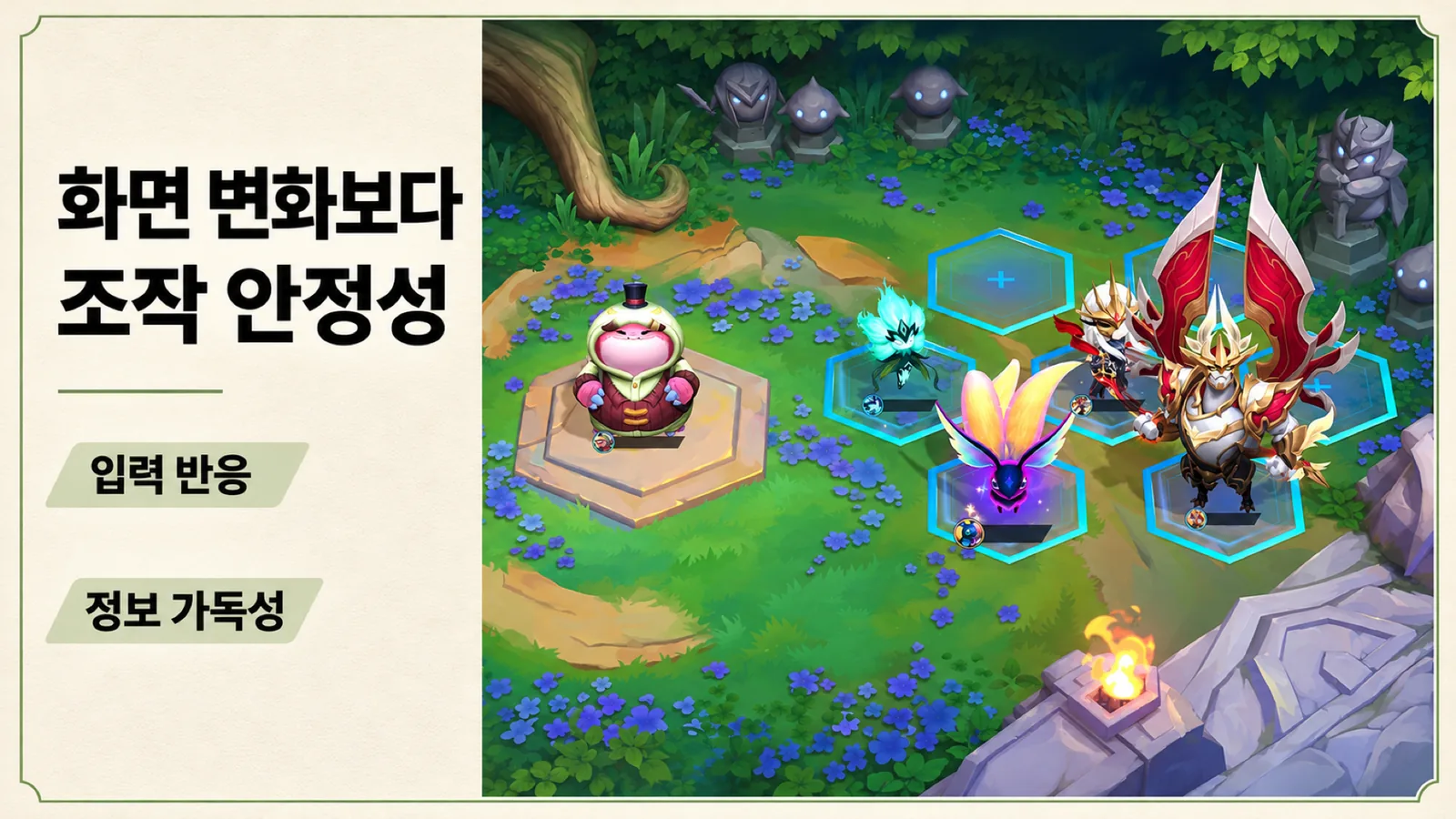
Combat in TFT is automatic, but planning phases compress many decisions into a short window. You check the shop, buy units, organize the bench, scout opponents, and reposition. Each action may be brief, but they all have to fit into the same limited time.
Delayed clicks do more than cause frustration. You have to double-check whether a purchase went through or look back to see whether a unit reached its intended hex. Time meant for considering your composition and opponents instead goes toward checking the program's response. Reliable controls matter because they directly affect the game's decision-making process.
Readability works the same way. Clear item borders and champion identifiers make it easier to absorb information and act. Even a visually impressive effect is a drawback in a strategy game if it obscures necessary information or makes things harder to distinguish. Design quality shows in how easily it supports decisions, rather than how much decoration it adds.
These concerns are more than personal preference. The developers acknowledged that shop interaction delays, frame drops, crashes, and missing cosmetics made the experience worse than expected after the engine transition. They also explained that the old engine's limitations and the burden of separately implementing PC and mobile experiences motivated the change.
There are reasons to improve development efficiency over the long term. Understanding those reasons is separate from deciding that current inconveniences are acceptable. For players to feel the benefits, an improved technical foundation must also make familiar actions smoother and more reliable.
What 18.6 fixes and what remains in progress
Patch 18.6 improves in-game chat readability and brings back Streamer Mode. It also reduces the carousel waiting time, fixes missing item borders on mobile, and addresses various crashes. These are improvements to everyday play, which matter just as much as prominent new features.
However, 'various crashes fixed' does not mean 'crashes eliminated on every setup.' The official fix tracker still lists ongoing work to reduce crashes, frame problems, and input delays. Some causes can be resolved while broader improvements continue.
The status labels help when reading the tracker.
| Status | What it means |
|---|---|
| Fixed | The fix for that issue is reported as included in the specified patch |
| In progress or under investigation | Work or investigation is ongoing and has not been completed |
| Targeting a specific patch | A target is given, but later updates must confirm whether it actually shipped |
Recheck the latest entry when plans and implementation differ. For example, an advance development update described combat recap improvements as planned for 18.6, while the tracker lists champion-name display as under investigation with an 18.7 target. Saying all of these features were fixed in this update would misrepresent their actual availability.
The official tracker is not an exhaustive list of every bug. The developers say it focuses on areas with a major impact on the experience. An unlisted problem is not necessarily imaginary, and an ongoing issue does not mean every device experiences it identically.
Balance changes broaden options rather than overhaul the game
A major client change does not make this a complete combat balance overhaul. After the 18.5 mid-patch update adjusted powerful strategies such as Kha'Zix and Brambleback, 18.6 focuses largely on improving some alternatives.
In particular, the October 28 mid-patch update nerfed Kha'Zix's damage, Brambleback's Armor penetration scaling, and Hand of Justice's Omnivamp. Judging existing compositions from 18.6 alone can overlook changes made immediately beforehand. Read the preceding mid-patch adjustments alongside the new notes.
This patch buffs 4-cost units including Nidalee, Malphite, and Sentinel, while improving some Blossom and Sprykin breakpoints. Meanwhile, Elderwood 9 is nerfed, and Emblems from Curio Cart rise from 15 to 17 gold. Beyond whether an Emblem is available, you need to consider whether you can still afford to complete the composition after buying it.
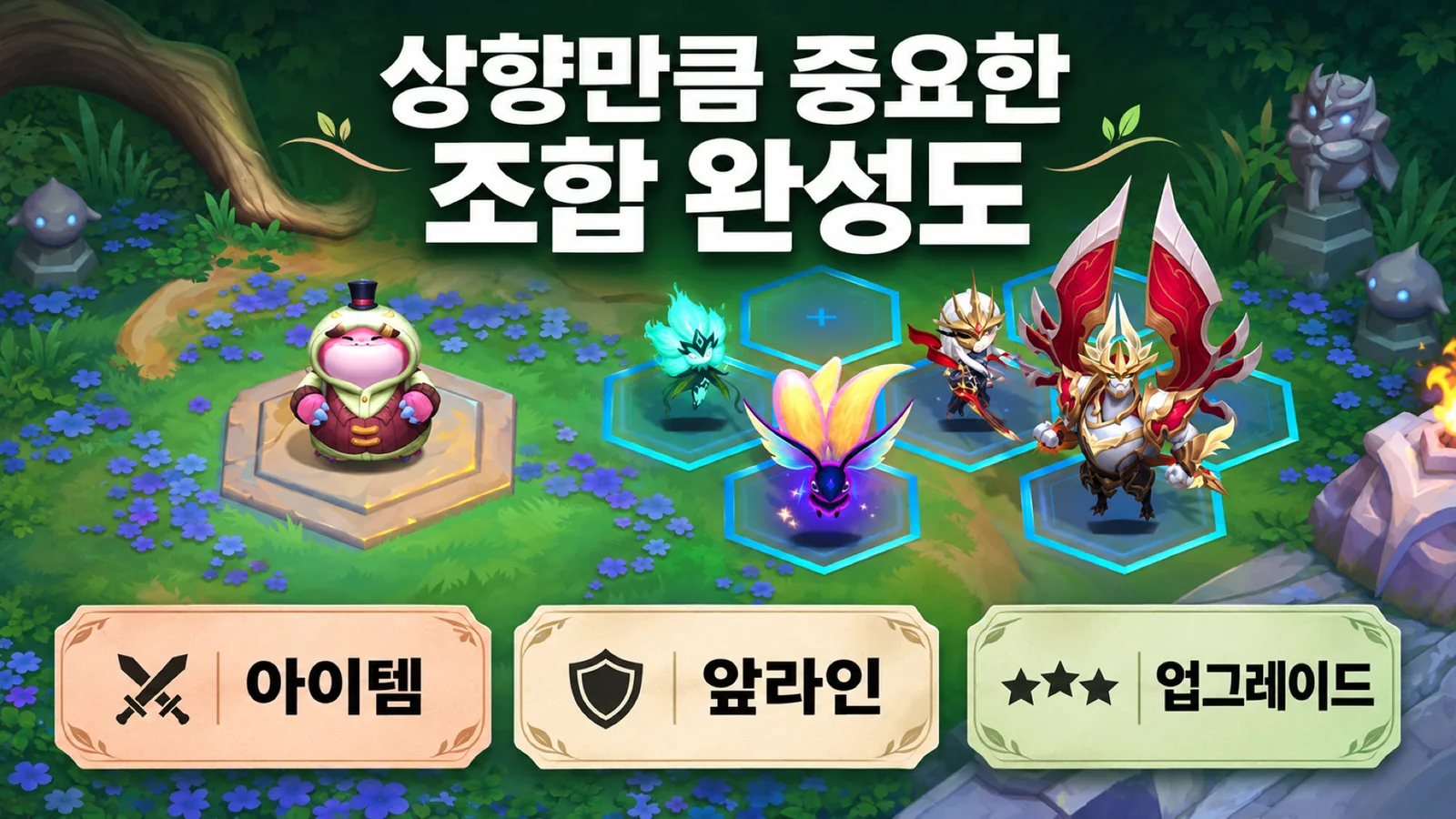
Rather than following a composition solely because it appears on the buff list, consider your items, frontline, and upgrade prospects together. A tank surviving slightly longer matters more when you have units behind it ready to deal damage. A numerical buff is a reason to consider an option, not a guarantee that it is correct in every situation.
What to expect from 18.7 onward and cosmetic sharing
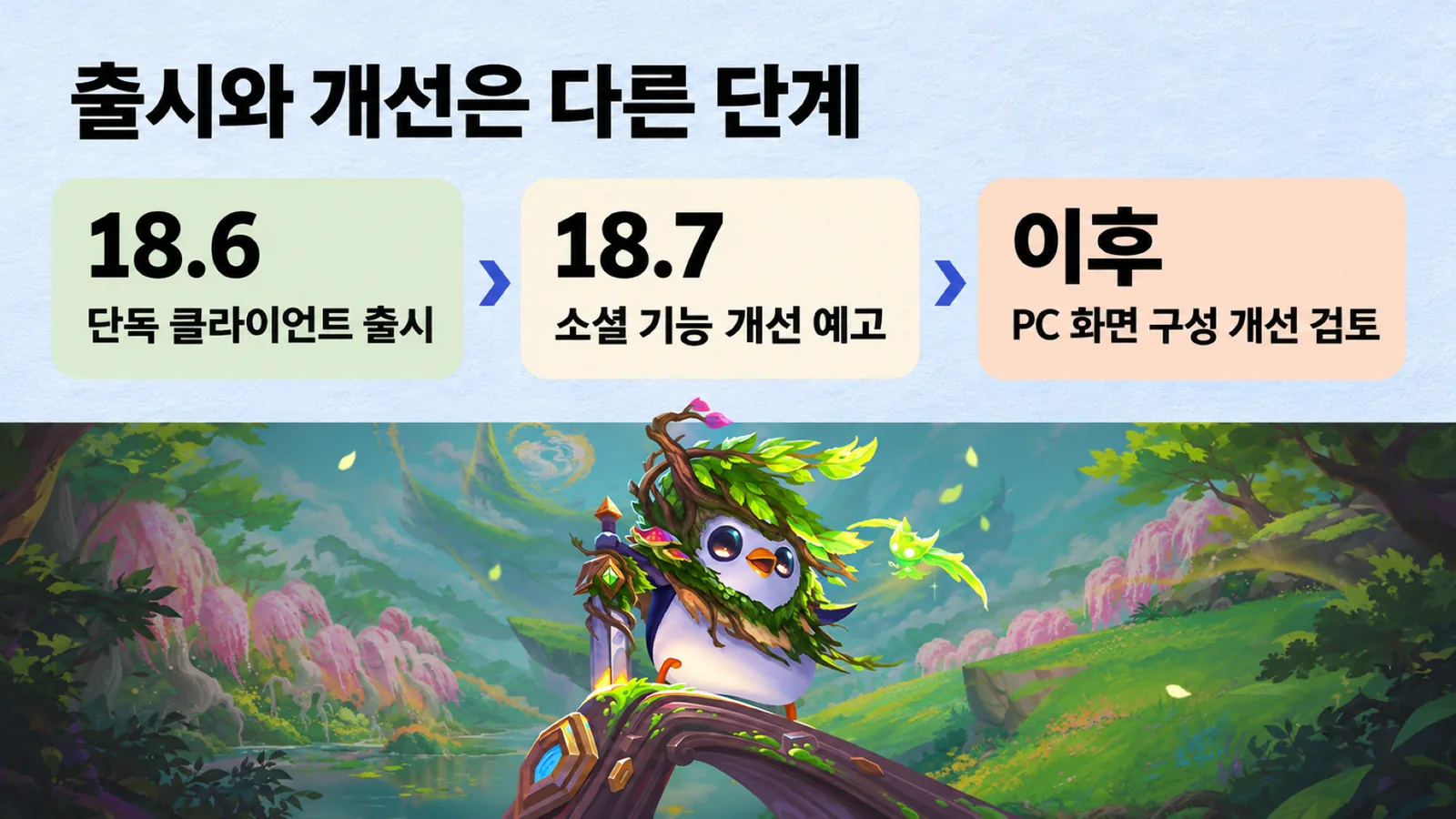
Playing together is a useful focus for future client improvements. The developers say 18.7 will restore leaderboards and improve inviting friends to a lobby and switching between solo and party lobbies across queues. Shorter paths for repeated actions may offer a more lasting benefit than a striking home screen.
They also acknowledged feedback that the UI does not make enough use of large monitors. Improvements to PC scaling and layout are being explored, but no specific patch is set for them. Features arriving soon and ideas still under consideration should carry different expectations.
Cosmetic changes also deserve attention. Little Legends released from 19.1 onward will not be usable in ARAM, while previously released Little Legends remain usable. New emotes for the two games separate from 19.2, and those released before then remain usable in both. This does not mean everything you already own is disappearing.
If you play both League and TFT, consider which game supports a cosmetic before choosing it. Its appearance is now only part of the purchase decision; where you will actually use it matters too.
The new client's value will ultimately become clear in the process of starting and finishing a match. A dedicated space has meaning, but the next priority should be purchases and positioning working as expected and essential information staying clear, rather than the scale of events. Once those basics feel comfortable, client independence can become an improvement players find convincing.
