

A game your friends enjoy may leave you feeling pressured to buy, or uncomfortable with unwanted conversation. A parent may also find an alarming label while searching for a child’s game. First identify what the criticism actually concerns.
Repetitive gameplay, spending pressure, harassment, and inappropriate approaches are different problems. Changing games can address a preference mismatch; unwanted contact calls for ending the interaction and using blocking or reporting where appropriate.
These ten examples and categories come from the original discussion. They are not an official sanction list or a risk ranking, and some exact experience identities and current states remain unconfirmed. Do not generalize one user’s actions to a developer or entire player community.
Examine the Criticism Before the Game Name
A headline such as ‘games that ruined Roblox’ attracts attention without identifying the issue. These distinctions are more useful:
| Category | Concern | Question to Ask |
|---|---|---|
| Gameplay | Repetition, similar content, or an unappealing theme | Do I enjoy the activity itself? |
| Spending and trades | Limited-offer pressure, collection competition, or unverifiable promises | Can I keep to my budget and the actual trade terms? |
| Player safety | Harassment, personal-data requests, or inappropriate conversation | Can I end contact and get help? |
Finding rare-pet collection boring is a preference. Someone requesting a password in exchange for an item is a different issue, regardless of whether the game is fun.
Four Examples About Spending and Gameplay
1. Adopt Me!: Collection or Constant Comparison?
The source criticizes a perceived emphasis on pet collection and trading over family roleplay. That is an interpretation of the loop, not a finding of misconduct.
Rare pets can be enjoyable goals. If comparison repeatedly drives unplanned purchases, reassess how you want to collect.
A desirable pet and a trustworthy trading partner are different considerations. Showing something you want does not validate the other person’s promises.
‘Give yours first and I will give you something better later’ depends on a promise outside a simultaneous exchange. Rely on the terms you can actually verify in the trade interface rather than that extra assurance.
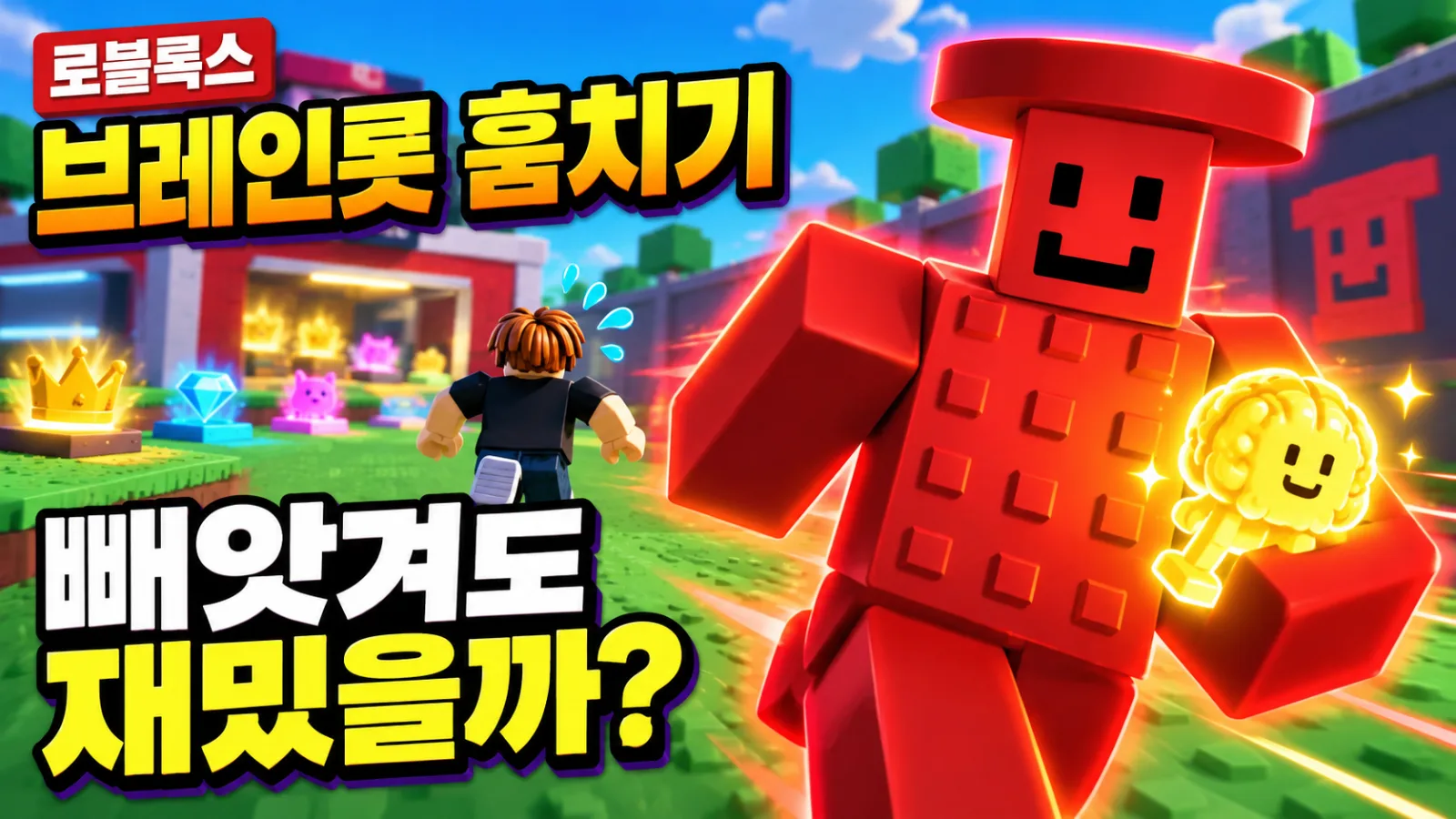
2. Steal a Brainrot: Does Losing Still Feel Like Part of the Fun?
The source’s concern is the competitive theft loop. Taking another player’s resources can feel satisfying while losing your own under the same rules feels stressful.
Evaluate the losing experience too. Do you still want another session after a setback?
If recovery leads to continually longer sessions or unplanned spending, pause and reassess. Also distinguish competition within game rules from repeatedly targeting someone for harassment.
3. The Source’s ‘Big Po’ Example: Theme Is Not Proof of a Safety Problem
The source describes a waste-themed game under this name, but does not establish a precise experience page. This section addresses only that described theme, not a verified official English title or developer.
Some enjoy absurd humor and others dislike it. An unpleasant or juvenile theme alone does not establish fraud or unsafe player interactions.
For a child’s game, look at actual content and maturity information alongside the thumbnail. Ask whether you consider the material appropriate, rather than only whether it is popular.
4. Pet Simulator X: Progression Versus Purchase Pressure
The source describes fatigue with repeated progression and limited offers. A better-pet loop can feel rewarding to one player and like an endless task to another.
Before buying, identify the reason:
- Do I want the appearance?
- Do I want faster progression?
- Am I rushing because an offer is ending?
Whatever the reason, understand what the purchase grants. If every new offer increases your budget, set a spending rule before choosing another product.
Six Roleplay and Social-Space Examples

Roleplay and social genres are not inherently unsafe. These entries summarize the source’s concerns; they do not verify that every described incident occurred in an identified experience or still occurs now.
5. The Source’s ‘Five-Star Resort’: Setting Does Not Guarantee Interactions
The original discussion uses a resort-roleplay label, but the name alone does not establish the exact experience or its current state.
Look at actual messages and actions rather than the hotel setting. A friendly-looking space can contain unwanted behavior, while a shared resort theme does not make every game unsafe.
You do not have to continue an unwanted conversation or roleplay to fit in.
6. ‘Condo’ Content: Distinguish It From Ordinary Home Design
Here the term refers to the source’s concern about sexual content, not every residence or home-decorating experience.
Roblox’s Community Standards prohibit sexually explicit and suggestive content or behavior, with policy details and applicable restrictions in the current standards. Assess actual content rather than the building’s name or shape. See the Roblox Community Standards.
If you encounter disturbing material, leave rather than staying to investigate, and report the relevant content or behavior when appropriate.
7. ‘Vibe’ Hangouts: Being Social Includes Being Able to Say No
A vibe game generally describes an atmospheric social hangout. That format alone does not establish inappropriate content.
Focus on behavior. Being told to hide a conversation from a parent, or persistent demands for personal details or photos after refusal, gives you reason to end contact.
Moving to another app depends on context, particularly if secrecy or uncomfortable demands accompany it. Adding a friend does not oblige you to accept every request.
8. The Source’s ‘Doll House Roleplay’: Design and User Actions Differ
The source presents this as an example of a gap between intended design and user behavior. Claims about its development, copies, or removal reasons require separate verification.
Treat it as a general roleplay-screening example rather than a proven allegation about an identified game.
A ‘family’ or ‘roleplay’ description cannot guarantee every participant’s conduct. Check what is happening in the session you joined.
9. The Source’s ‘Gakuran’: Coercion and Repeated Targeting Matter
The source raises concerns about cosmetic spending and character interactions, but does not establish the exact current features or improvements in an identified experience.
Combat or movement functions alone do not establish a problem. Ask whether people can refuse an interaction and whether a tool is being used to target someone repeatedly.
Check available interaction restrictions. If unwanted behavior continues after refusal, ending contact takes priority over persuading the other player.
10. The Source’s ‘Lisa-Related Hangout’: Reputation Is Not Content Evidence
This entry concerns a negatively described operator or community more than documented gameplay. It cannot be judged on the same evidentiary basis as a verified incident.
Disliking an operator and establishing harmful behavior are separate. Do not repeat inflammatory claims about a religion or group without evidence.
A useful evaluation needs an identified target, actual content, and observable behavior. With insufficient information, withholding judgment is reasonable.
Check Content, Chat, Spending, and Time Controls

An account-level plan is more useful than memorizing controversial names. Roblox currently describes linked-parent controls and Parent mode; available settings vary with age, account conditions, and device. Some alert functions require a linked parent account. Consult the Roblox parental controls guide.
| Control | What to Review |
|---|---|
| Content | Allowed maturity and individual experience restrictions |
| Chat | Communication settings available for the account |
| Spending | Eligible monthly limits and purchase notifications |
| Time | Available daily limits and the games played most |
Even where monthly spending limits apply, gift card redemption is not covered by that limit. Agree separately on gift-card use. See the official spending guidance.
Also agree on when to stop playing and ask for help, so losing an item or receiving an uncomfortable message is something a child can discuss without fear.
End Unwanted Contact First
You do not have to keep arguing with someone making inappropriate demands or harassing you.
- End the conversation or leave the experience.
- Block the user.
- Report the specific message or behavior.
- Younger players can tell a parent or another trusted adult.
Roblox explains reporting and blocking through profile menus and in-experience reporting. Describe what happened—such as persistent personal-data demands—rather than only calling the person ‘bad.’ See Roblox’s reporting and blocking guidance.
FAQ
Should Every Game Named Here Be Avoided?
No. The source mixes subjective criticism, spending concerns, and unverified safety allegations. Assess the actual play and specific behavior rather than treating the names as a blacklist.
Does Popularity With Friends Make a Game Safe?
Friends can make play more enjoyable without removing purchase pressure or unwanted contact. You can leave an uncomfortable situation even if others continue.
Are ‘ODer’ and ‘Vibe Game’ the Same Thing?
No. The source uses ‘ODer’ as shorthand for an online dater, while ‘vibe game’ describes a space and play format. A label applied to a player is not itself proof of misconduct.
Before joining or buying, ask: Can I stay within budget, end uncomfortable contact, and get help if something goes wrong? Use the actual experience as your guide rather than popularity alone.
Regional and version notes
This article is not a blacklist or a finding against an unidentified developer. Labels whose exact English experience identity is unverified remain attributed to the original discussion. Current parental-control availability depends on age, account, and device. Roblox’s checked guidance says spending limits stop applying at 13; parents may still receive spending notifications. Gift-card redemption is outside those limits. Use the current official instructions rather than assuming one setting covers every account or console. Some illustrations are retained from the Korean edition and may include Korean labels. Use the English article text for instructions.
Localization sources checked October 23, 2026 (Korea time):