

If you keep losing first contact in PUBG, what should you practice? Aim and recoil matter, but building better combat mechanics and decisions starts with reviewing what you noticed and chose during the fight.
Faster usable responses come from anticipating contact, creating favorable firing angles, and reducing repeated errors. Narrow the likely situations before spotting the enemy instead of beginning every decision afterward.
The core habit is turning one fight’s lesson into a decision rule for the next. Check how you used sound and terrain rather than only accumulating more fights.
What to Check Before Calling It a Mechanics Problem
Thinking only in terms of mouse speed misses target detection, exposure, and firing timing, all of which shape a PUBG duel.
| Repeated Situation | Check First | Next Action to Practice |
|---|---|---|
| Large correction when the enemy appears | Expected contact and pre-aim | Prepare the likely corner before contact |
| Taking hits repeatedly from cover | The enemy’s held sightline | Avoid repeeking the same spot unchanged |
| Easy target while moving | Exposure time and route | Choose the next nearby cover before moving |
| Enemy above controls the fight | Elevation and approach routes | Compare waiting with changing the angle through an approach |
| Freezing after being hit by utility | Escape and enemy entry routes | Identify fallback cover before contact |
| Repeated deaths in the same scenario | Fight review | Write one cause and one next action |
Practice aim and recoil if they are the problem. If you enter a bad position before firing, reviewing fight selection may reveal the cause sooner.
Does Repeating Hot Drops Automatically Help?
Busy landings produce many fights quickly, but unreviewed deaths can simply repeat the same action.
With threats from several directions, it can be hard to separate aim, missed information, and crossfire. Begin with encounters where you can reasonably identify the opponent’s position.
Before rushing one enemy in a building, ask which entrance they hold, what other route exists, and where you leave if blocked. Afterward, compare those expectations with the fight.
Hot drops can be practice when paired with review. More than the landing location, ask whether the fight has a specific learning target.
Use Audio to Predict Positions and Next Moves
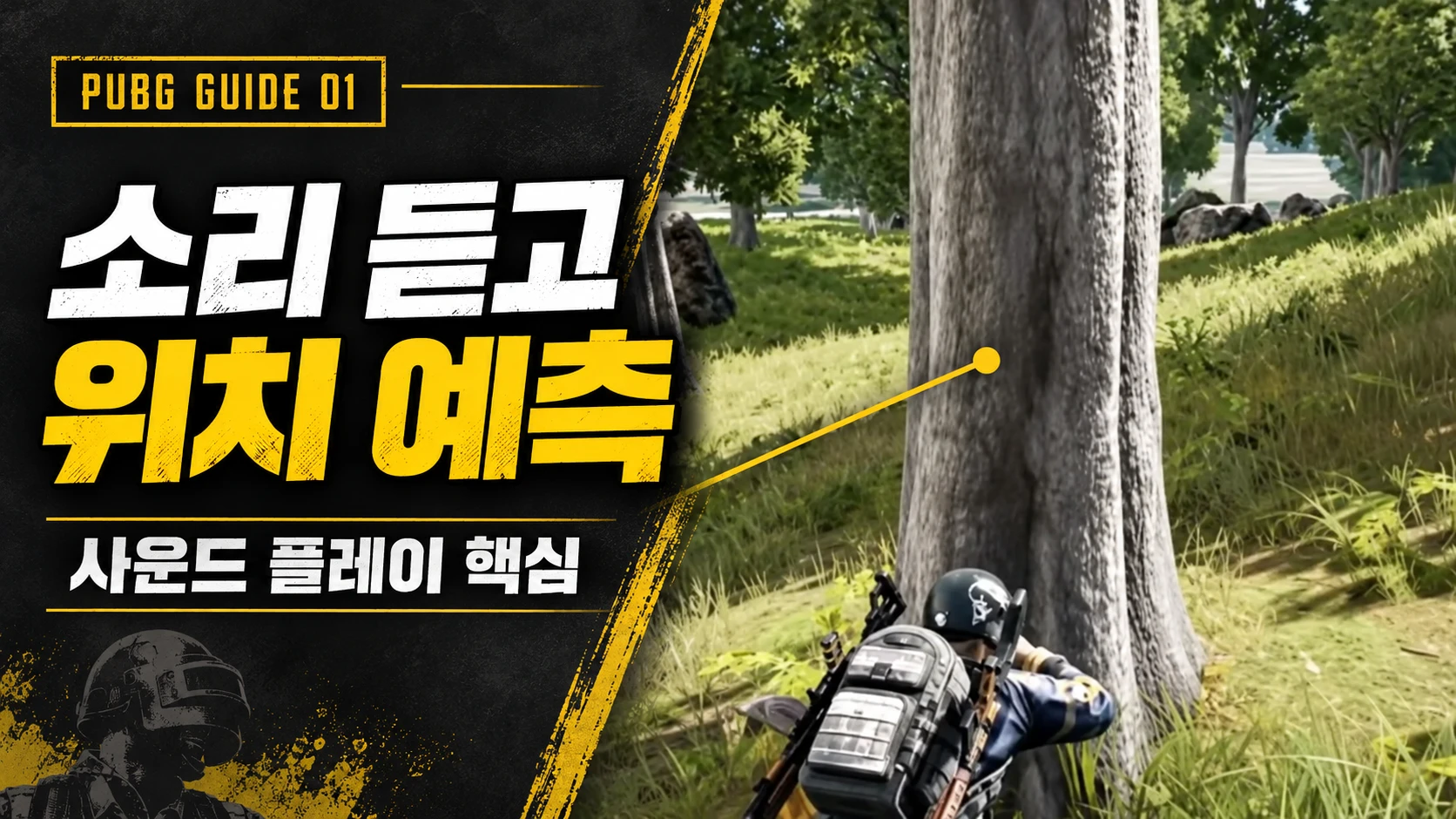
Footsteps and gunfire are clues. Connect the sound to possible enemy movement instead of automatically running toward it.
Around a building or ridge, inspect nearby corners, entrances, and elevated holds. Preparing the likely emergence point reduces correction at contact.
But hearing an enemy does not require an immediate push. A push closes distance proactively. It can change an unfavorable high-ground fight, but enemy numbers, other sightlines, and exposed approaches still matter.
Use this sequence:
- Connect sound direction to terrain to narrow likely positions.
- Pre-aim the routes the enemy can emerge from.
- Choose to approach or wait, with fallback cover if the attempt fails.
An expected position is not confirmation. Update the read as sounds or sightings change.
Change Sightlines and Reduce Predictability
Repeeking a location an opponent already holds is dangerous. Make their crosshair move instead of relying only on a faster response.
Use another cover edge or a different terrain route. Check not only whether you see the target, but whether another enemy sees you.
An enemy can lead your movement. Changing direction as shots begin may disrupt that prediction but does not guarantee survival. Movement should get you to cover.
Endless left-right movement in the open extends exposure. Choose the destination first, then reduce predictability on the way.
Learn Terrain for Approaches and Throwable Use
Terrain knowledge reveals possible enemy positions and usable routes. Climbable spots and exposed corners change fights even in familiar buildings.
Remember a newly discovered spot as somewhere an opponent can use too, not only a trick for yourself.
Check these terrain features:
- Climbable positions: can a wall or structure provide elevation?
- Open sightlines: must you leave cover to see the opponent?
- Alternative approaches: what route remains if the front is blocked?
- Fallback positions: where can you hide if the approach fails?
Available throwables also affect route choice. Without utility to dislodge a hold, the same push may be impractical. Choose actions your equipment supports, including repositioning or waiting when no useful shot exists.
Vary Peek Timing to Avoid Taking the First Hit
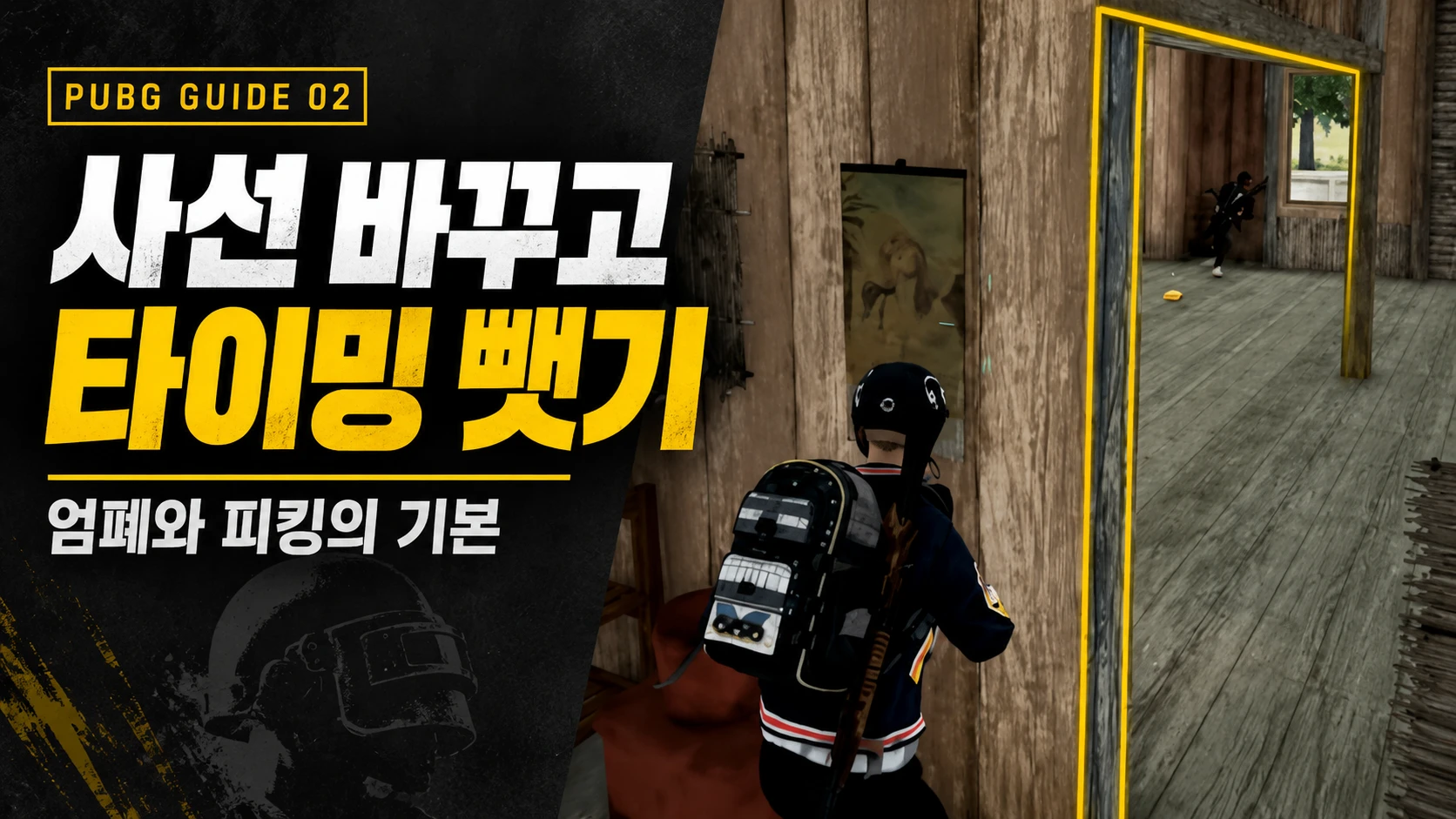
A peek briefly exposes you to check or shoot. Against a prepared corner hold, the first exposure may be punished immediately.
Repeating a fixed rhythm makes that timing easy to read. Observe fire and movement, pause when useful, or change the exposure point.
Terrain preparation matters when stunned too. With limited enemy entrances, retreating behind known cover can prepare a response. With several entries or unknown opponents, holding one guessed direction may fail.
Before contact, ask where you retreat if a throwable lands here. It is harder to discover the exit after vision is disrupted.
Review Fights to Reduce Repeated Mistakes
You need not analyze every moment. Pick one fight and record the situation, your action, and the next change.
For example: ‘They held that cover edge; I repeeked it and got hit first. Next time I check another edge.’ That gives a clearer next action than ‘bad aim.’
Review wins too. Did pre-aim, changed timing, or the opponent’s error decide it? Keep the conditions of success rather than applying a successful action everywhere.
A Practice Framework
This sequence connects aiming with fight decisions. It creates observable targets rather than promising improvement within a fixed time.
| Stage | Practice | Check |
|---|---|---|
| Before playing | Aim and recoil with your main weapon | Where the crosshair drifts |
| Early match | Choose a relatively readable encounter | Did you anticipate the emergence point? |
| During the fight | Move with cover and an exit in mind | Avoid repeated exposure on one sightline |
| After the match | Review one fight briefly | Choose one concrete next change |
| Next game | Apply that change | Did the decision differ in a similar situation? |
You do not need to fix audio reads and peeks simultaneously. One goal—such as not immediately repeeking a held corner—also makes review easier.
Combat Improvement FAQ
Do Slow Reactions Make Good Fighting Impossible?
Reaction time matters, but responses after spotting an enemy are only part of the duel. Pre-aim and favorable cover help too. Look for avoidable decision delay and movement rather than making unsupported claims about reaction-time limits.
Can Players in Their 30s and 40s Improve?
Age alone does not identify the practice target. Inspect aim, detection, terrain knowledge, and exposure timing. Repeated decision errors provide concrete review goals.
Aim Training or Live Fights First?
If you see the target first but miss badly, practice aim and recoil. If contact is unexpected or your peek is immediately punished, review positions and timing. Allocate practice around the actual cause.
Must Kills and Damage Rise Immediately?
Those totals do not show which action improved. Also check anticipated contacts, fewer reckless repeeks, and successful exits from blocked approaches. Evaluate whether the habits improve fight results over several games.
Regional and version notes
This guide covers PUBG: BATTLEGROUNDS on PC and console, not PUBG MOBILE. Tactical examples are practice frameworks rather than guaranteed wins. Item and queue availability vary by mode, map, region, and update. Smoke conceals movement but does not stop bullets. Distances use the game’s metric units. Some illustrations are retained from the Korean edition and may include Korean labels. Use the English article text for instructions.
Localization sources checked October 22, 2026 (Korea time):