

New PUBG players often see an enemy but fail to respond effectively: shooting first and losing, or dying before locating the incoming fire.
Sensitivity or weapon changes alone may not solve it. Position, exposure time, information, and teammate support matter alongside aim.
When learning combat, check whether you can return to safety after attacking as well as how quickly you can kill. Start with cover, prepared aim, and avoiding unfavorable fights.
Why Beginners Lose Fights
Shooting Without Checking the Surroundings
Firing reveals your position. If you fail to end the fight quickly and have nowhere to hide, the response becomes difficult.
Check nearby cover, the opponent’s retreat options, and other threats before firing. In duos and squads, the visible enemy may have support you have not seen.
Start with three questions:
-
Can I hide from this position?
-
Where do I retreat from return fire?
-
Can teammates contribute shots here?
Staying Exposed While Searching
Standing at a window or corner to locate someone lets them locate you too.
Look, return to cover, then act on the information. Practice changing observation points instead of repeatedly showing the same angle.
Cover Is the Foundation
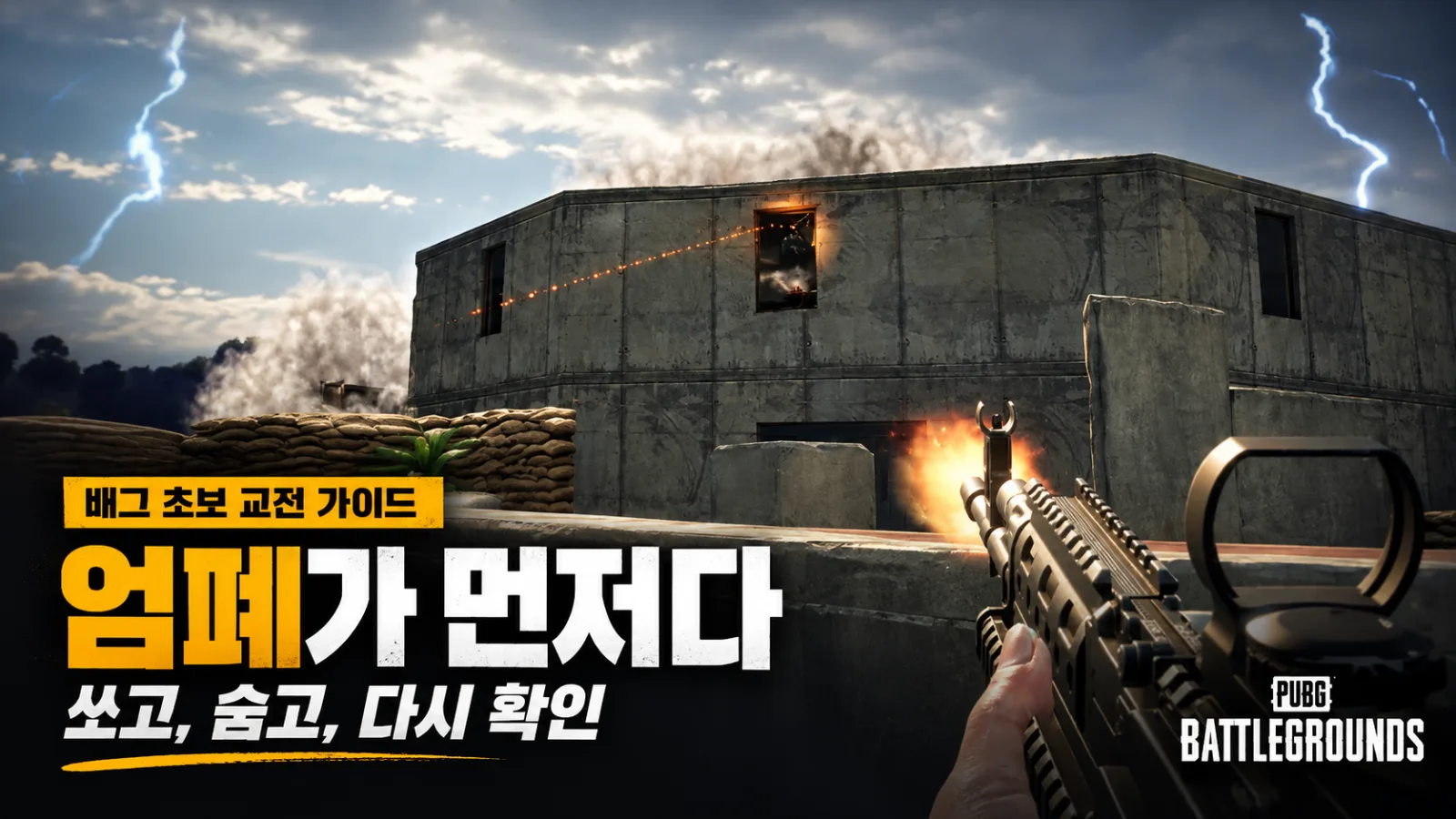
Fight Near Something That Protects You
Walls, rocks, and terrain breaks make reload and recovery windows easier to obtain than an exposed position with the same gun.
Narrow cover such as a tree can fail when the enemy angle changes. One piece of cover does not protect every direction.
Check side and rear exposure as well as the main target. Choose the next cover before moving so you do not stop in the open.
Practice Shooting and Returning to Cover
Landing hits can tempt a beginner to remain exposed until the enemy falls. Misses or accurate return fire can reverse that fight.
Expose only what the shot needs, fire, then return. Check ammo and HP from cover before taking the next exchange.
Leaning can help manage exposure, but it does not automatically make you safe. Inspect which parts of the character actually leave cover.
Learn Pre-Aim and Recoil Together
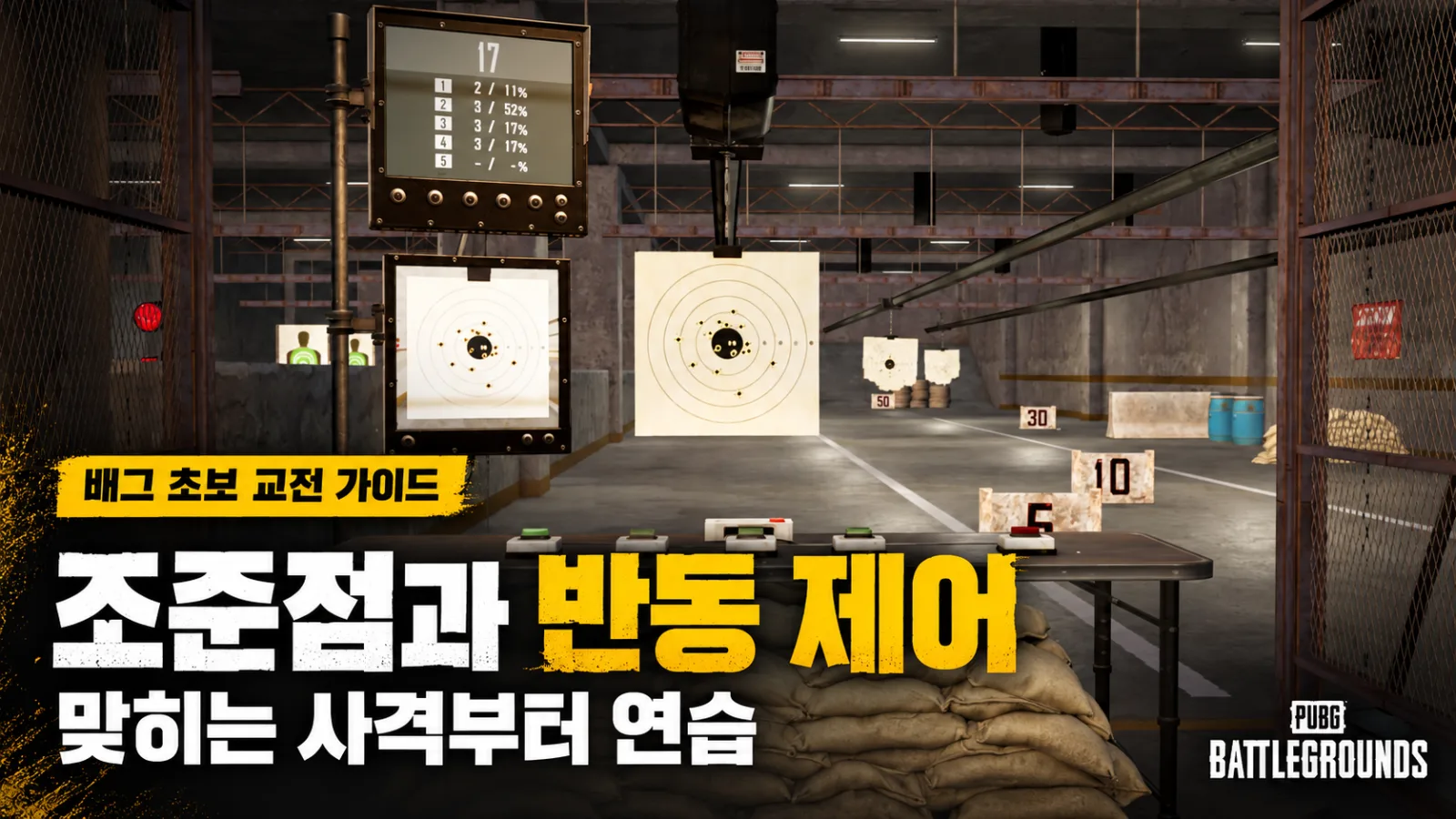
Prepare for Likely Contact Positions
Looking at the floor creates a large correction and delays the first shot when someone appears.
Indoors, prepare doorways, stairs, and corridor ends. Outside, check likely rocks and ridge edges. Predict both position and elevation.
You can start by quickly centering the upper body for useful hits rather than forcing only headshots. Progress toward smaller targets as control improves.
Match the Firing Pattern to Distance
Using the same pattern at every range wastes ammunition. Small aim errors matter more at distance.
If sustained fire drifts off target, stop and re-aim. Use shorter bursts at ranges where recoil exceeds your control.
Learn frequent weapons before constantly switching. Alternate close and medium targets with the same gun to find the range where you hit consistently.
Urban Fights: Respect Doors and Stairs
Check Before Entering
Buildings offer cover but create constrained fights. Doorways and stairs limit movement while hiding the defender’s hold.
Combine footsteps, gunfire, and teammate information. An open door or visible floor loot does not confirm presence or absence by itself.
With an unknown hold, inspect other windows or entrances and consider approaching with support instead of rushing blind.
Avoid Opening Several Threats at Once
Windows, alleys, and rooftops create many possible angles. Focusing only on the destination building can expose your side elsewhere.
Choose the next cover between buildings and avoid scanning for a long time in the middle of a road. Use walls or terrain to block one direction when too many need checking.
The same applies outdoors: reduce the directions that can hit you rather than trying to watch all of them simultaneously.
Team Fights Need Shared Information and Support
Give a Location Teammates Can Find
‘Enemy over there’ may not identify the target. Combine direction with a landmark.
For example, ‘Northwest, two-story building, right window.’ Add confirmed count or movement, but do not turn guesses into facts.
Use a ping alongside voice when possible to align attention.
A Knock Is Not an Automatic Push Signal
A downed opponent does not finish the fight. Another enemy may be close, and the push may sacrifice your cover.
Check remaining enemies, teammate HP, and support before approaching. Running alone may expose you before teammates can follow.
A supported approach keeps the fight connected. Preparing for the surviving opponent can matter more than immediately finishing the knock.
Smoke and Recovery Create the Next Opportunity
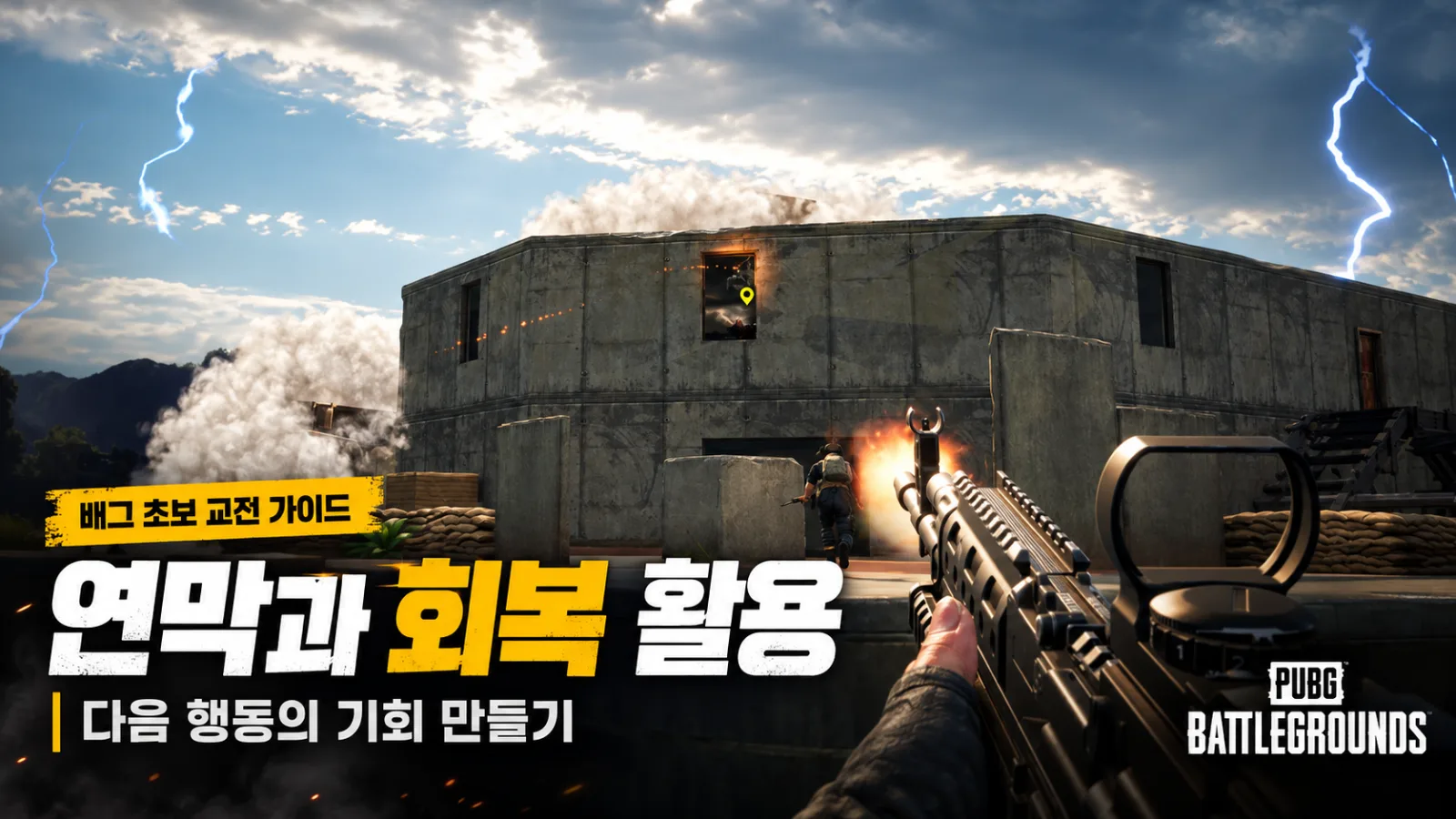
Smokes Support Crossings and Revives
Smoke limits vision during movement or a revive. It is not bullet-stopping cover.
Choose the route and destination even inside smoke. Plan to reach real cover rather than assuming the cloud makes you safe.
Hide Before Reloading or Healing
An immediate exposed reload leaves a window without return fire. Low HP likewise calls for a safer recovery position.
After firing, enter cover, check the approach, then reload or heal. Ask a teammate to watch briefly if available.
A Beginner Combat Practice Order
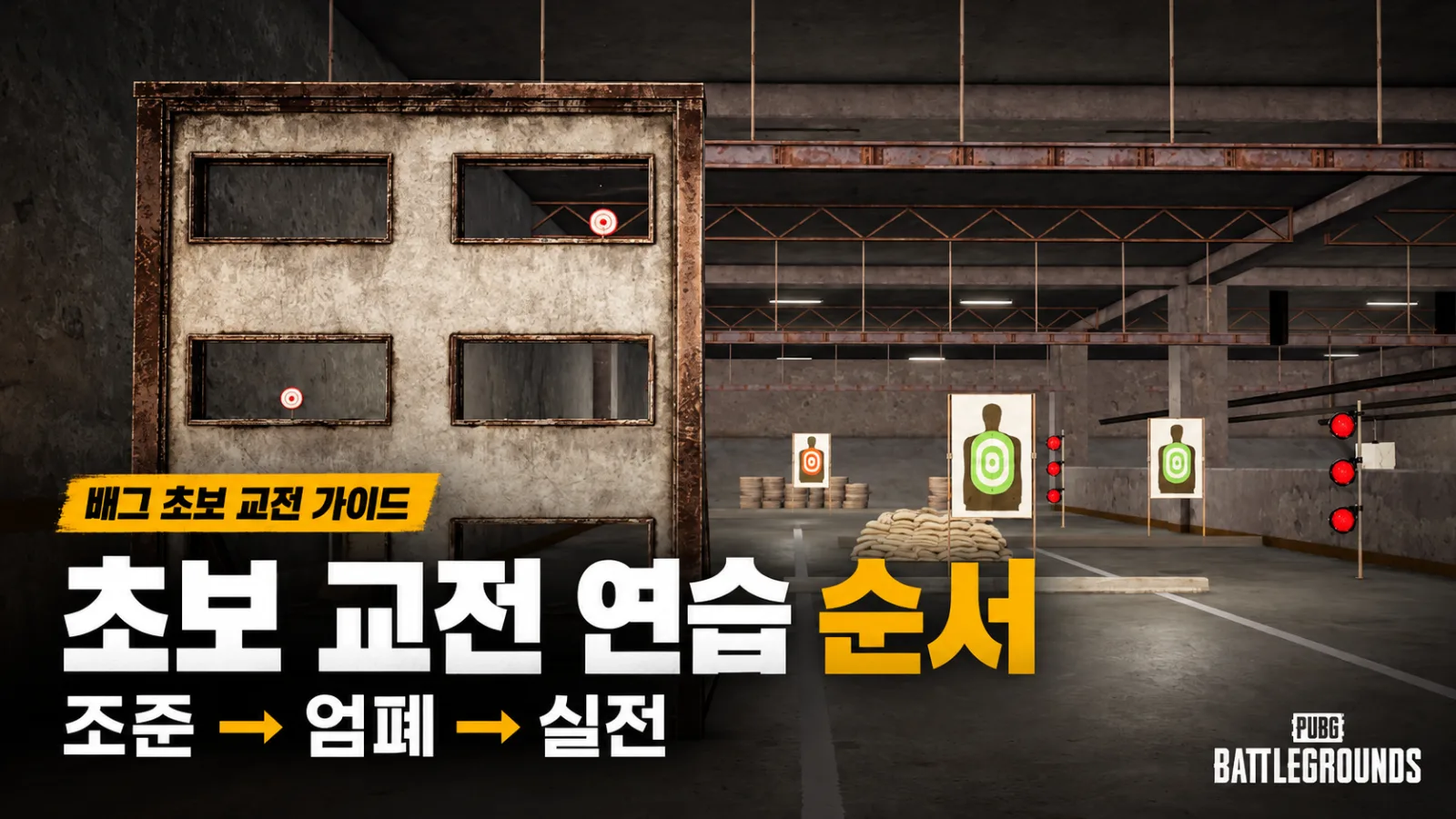
If controls are unfamiliar, begin with Basic Training. It introduces movement, shooting, throwables, healing, and revives in stages.
Then separate practice goals:
-
Crosshair placement: move while watching likely enemy positions instead of the floor.
-
Shooting: practice aim and recoil with frequently used weapons.
-
Cover: repeat the fire-and-return action.
-
Match transfer: choose one goal, such as cover or useful callouts, per match.
-
Review: inspect position and movement decisions alongside misses.
Rather than changing settings after every loss, identify whether you saw the enemy late, lacked cover, or separated too far from support. That gives the next match a clearer target.
Combat Basics FAQ
Can I Win with Imperfect Aim?
Position and supporting teammates can compensate, but you still need to land shots. Practice decisions and mechanics together.
Should I Always Shoot First?
Without cover or support, moving first may be stronger. Think about the response after the shot, not only keeping sight of the target.
Should Beginners Land in the Busiest Area?
It creates contact, but repeated immediate deaths leave little practice. Start where you can gear and read the situation, then increase encounter density gradually.
The visible fight begins at contact, but preparation starts earlier. Find cover and pre-aim while moving so sudden fights demand less improvisation. Next match, check where you can hide before pulling the trigger.
Regional and version notes
This guide covers PUBG: BATTLEGROUNDS on PC and console, not PUBG MOBILE. Tactical examples are practice frameworks rather than guaranteed wins. Item and queue availability vary by mode, map, region, and update. Smoke conceals movement but does not stop bullets. Distances use the game’s metric units. Some illustrations are retained from the Korean edition and may include Korean labels. Use the English article text for instructions.
Localization sources checked October 22, 2026 (Korea time):