

KMS economy commentary · About these guides
The Korean source describes players noticing a decline in meso value. That can make saved mesos feel less valuable, while changing the cost of planned upgrades. This is a source-era KMS economy discussion, not a verified current exchange-rate report or evidence of a GMS price trend.
The article argues that the issue involves more than trading volume: alt development, weekly boss characters, crystal-generated mesos, and the demand for upgrades can all affect the balance. These are proposed explanations, not a statistical causal study.
Why the source discusses falling meso value

More boss mules can increase meso generation
Developing alts for repeated weekly clears is a familiar progression approach in the Korean source.
Crystal proceeds from those characters can fund equipment and Star Force for a main. Across many characters, however, those clears also generate more mesos within the game.
A useful individual routine can therefore contribute to a larger supply at the world level. The size of that contribution needs data; the article does not measure it.
Growth systems encourage additional characters
Legion and other account progression give players reasons to try several classes. Growth events can also help alts reach a higher level of development.
If those characters then keep clearing weekly bosses, their meso generation continues beyond the initial event. The source identifies this as a possible long-term pressure on supply relative to spending.
Spending does not necessarily grow at the same pace
Star Force, Korean Potential rerolls, and trading fees remove mesos from circulation under the relevant rules. Not every player continually attempts expensive enhancements, though. GMS has different regional and world systems, so do not copy the Korean sink list unchanged.
A player with a satisfactory setup may reduce spending while continuing to clear bosses. If generation grows faster than demand for those sinks, relative meso value can fall. This is an economic explanation, not a prediction that a particular market must move next.
Would lower crystal prices solve it?
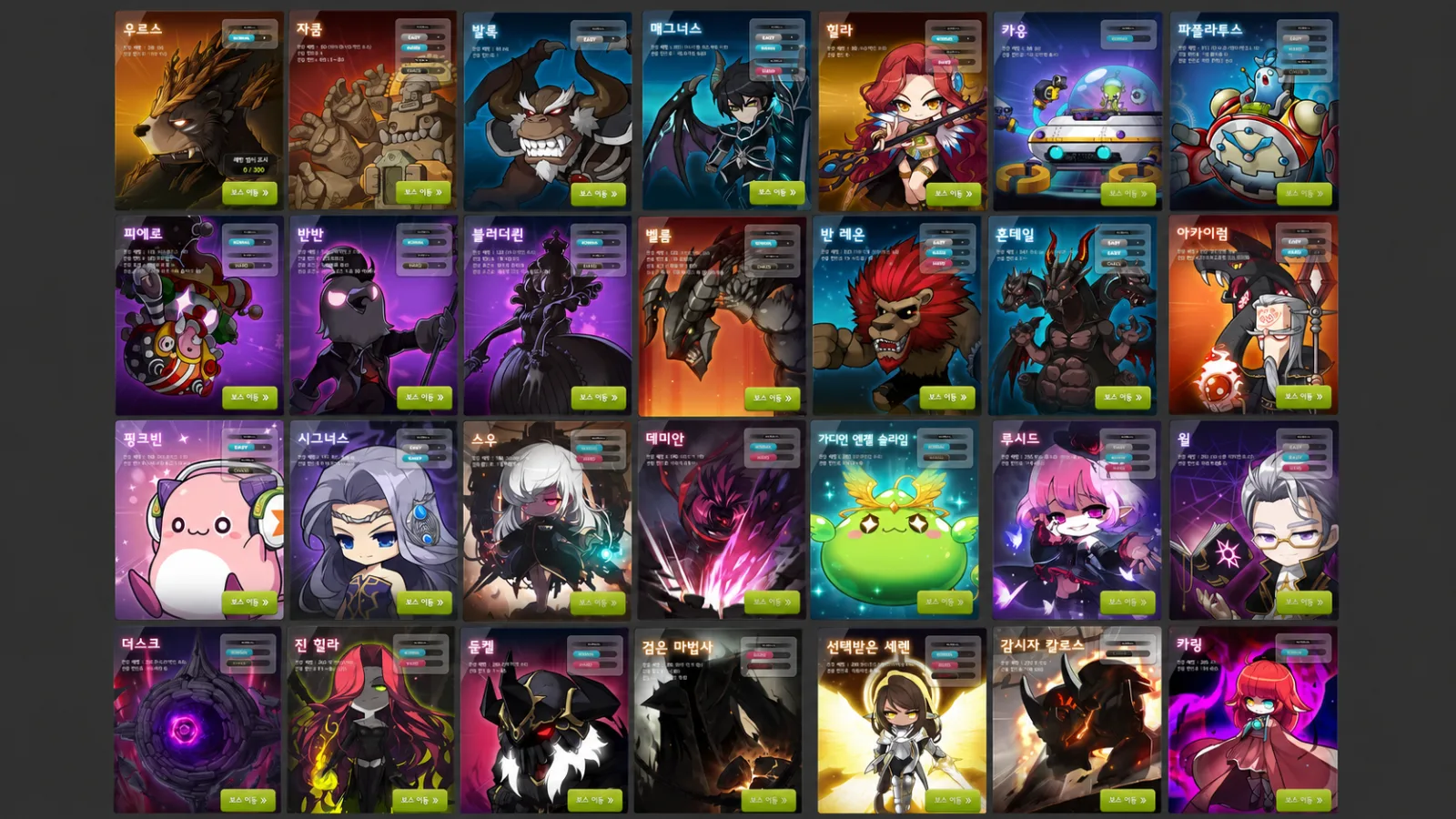
Crystal reductions are one possible response to excess generation. A blanket cut can also reduce an important source of progression income for newer players.
Established players may already have usable equipment, while developing characters still need mesos for gear and upgrades. Lower rewards can change that progression pace.
The source proposes considering several approaches together:
- Review repeated multi-character boss income
- Differentiate crystal rewards across progression stages
- Add optional meso sinks for heavily developed characters
- Connect optional spending with equipment progression
These are editorial policy suggestions, not announced Nexon changes. Reducing generation and increasing spending have different effects on different players.
What to check when planning upgrades

Connect saved mesos to a concrete use
If you are concerned about changing purchasing power, record the target equipment, required budget, and intended timing. That is more useful than treating a virtual-currency balance as an investment strategy.
The source does not establish a price floor. Events, new equipment, enhancement benefits, and policy can all change conditions. For any official Meso Market use, read that region's in-game rates and rules; this article does not recommend outside cash trades or provide a current quote.
Compare equipment prices too
A lower relative meso price does not necessarily make the desired item cheaper if its meso listing price has increased.
Compare the full plan:
- Finished equipment prices in the relevant permitted market
- Unenhanced Eternal item prices where trading exists
- Estimated Star Force resources
- Remaining scroll and Potential work under the local systems
- Confirmed enhancement events
A perceived currency discount alone does not make a particular purchase an efficient upgrade. Start with the item and result you need.
What a 26-star Eternal example does—and does not—show
The source's 26-star Eternal example concerns exceptionally high investment in the Korean system. A successful item can be powerful, while failed attempts and destruction can consume substantial resources. It is not a standard progression requirement or a claim about every GMS version's current enhancement rules.
For someone already using 22-star gear, pushing above it may improve less per resource than useful Potential, bonus-stat, or other-slot work. Compare the actual candidate upgrades instead of assuming the larger star count is always the next step.
Before following the Korean high-star example, ask:
- Are the other essential slots already usable?
- Can the setup recover if the item is destroyed?
- Will this spending block the next planned progression step?
- Where trading is allowed, how does self-enhancing compare with a finished item?
A success showcase does not reveal the full range of costs. Use your own available resources and goal rather than assuming a similar outcome.
A more manageable progression order
For a free or limited-spending account, prioritize a reliable foundation before extreme enhancement goals.
First, develop a main that can repeat a suitable weekly boss roster. If considering another bossing alt, include its development cost, time, and actual reward rules instead of assuming a fixed payback period.
Second, compare upgrades with a clear, usable result. In a trade-enabled world, a suitable finished item may offer more predictable acquisition than rerolling an unfinished one; Heroic needs its own equipment progression plan.
Third, reserve resources for confirmed enhancement events only when that fits your equipment goal and deadline. Set the target and spending limit before changing the budget in response to a market observation.