

Archived Korean event analysis · About these guides
“Do I need better gear, or do I need to play better?”
It is a familiar question when a difficult raid stops your progress. It becomes harder to answer when you have already upgraded and learned the patterns but still cannot meet the damage check. Where can you find another opening, and what is actually worth changing?
Mordum in Kazeros Raid Act 3 Extreme Nightmare brought that question into focus in Korea. Players who want demanding content need something to work toward. Yet a challenge can feel unfair when class choice and progression create sharply different barriers.
That makes “Did the boss have too much HP?” only part of the debate. Required power, class-specific attack opportunities, and how much execution can compensate for missing damage all interact.
Mordum’s HP was reduced. Whether that also addressed players’ frustration is a broader question. This is a retrospective on the Korean event, which ended before maintenance on October 21, 2026.
What changed in the October adjustment?
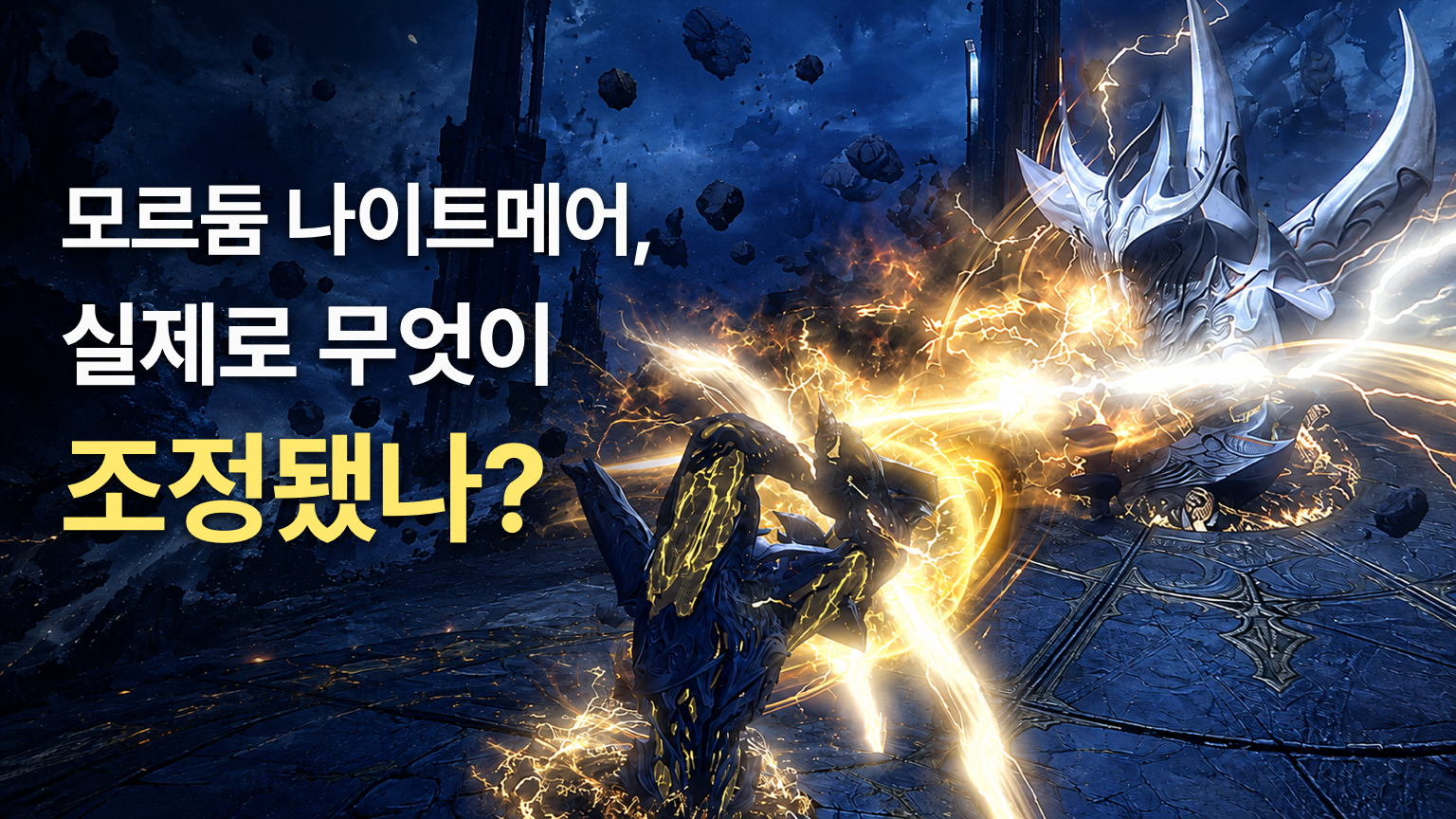
During Korea’s October 3, 2026 emergency maintenance, Mordum’s HP in Act 3 Extreme Nightmare was reduced and selected classes received PvE damage increases. The notice did not publish an HP reduction percentage, so it does not support a precise claim about how much easier the damage check became.
The director’s October 2 explanation acknowledged that Nightmare’s HP and mastery requirements exceeded the intended benchmark and that Mordum’s encounter intensified class disparities.
Extreme was intended to separate routine reward farming from highly demanding challenges. That is a reasonable goal: every raid does not need the same target audience.
But it leaves another question.
Should access to that challenge be defined primarily by gear or execution?
Both matter. Their weighting determines whether a difficulty feels like a wall that practice can overcome or one your current character cannot realistically cross.
Why tight damage checks amplify class differences
In a timed encounter, character power is only part of the equation. Usable attack uptime also matters. Comparable gear can produce different practical damage depending on attack design and boss patterns.
When a party has damage to spare, those differences can be less visible. A missed opening can be recovered later, or another player can cover a less favorable phase.
The issue becomes sharper when that margin disappears.
A small difference can decide a clear. If one class keeps attacking while another must wait through a pattern despite similar gear, class balance becomes especially sensitive.
More upgrades may sound like the answer, but highly developed characters can have few affordable gains left. Party recruitment can also become more selective as groups try to secure any additional damage margin.
That does not make a community score an authoritative answer. A particular Lopec score is neither an official entry requirement nor a universal minimum clear requirement.
Party composition, practice, and survival affect results even at the same score. Whether an account describes attempts before or after October 3 matters too. Someone else’s clear does not establish the gear or spending your character must have.
Would another difficulty solve it?
Normalized challenge content or a separate top-end mode are possible approaches when discussing difficult raids.
Each offers benefits, but also introduces tradeoffs worth examining.
| Design approach | Potential benefit | Tradeoff to consider |
|---|---|---|
| Normalized challenge content | Reduces the effect of gear gaps | Can weaken the satisfaction of using a developed character’s full power |
| A separate highest difficulty | Makes the intended audience clearer | Large reward differences can still create participation pressure |
| More cooperative mechanics | Puts greater weight on execution and teamwork | Repeated failures can increase fatigue for the whole party |
| Extra damage windows for successful mechanics | Lets execution offset some missing damage | Can become another barrier if every bonus is required |
These are possible design directions, not confirmed upcoming features.
The relevant issue extends beyond difficulty to rewards. Their role changes how optional a challenge feels.
If skipping the challenge means losing substantial rewards that affect later progression, players may feel obliged to participate regardless of its optional label.
Rewards centered on prestige and achievement can create a different expectation. Giving players room to opt out matters as much as adding another difficulty setting.
Can mechanics create room for a less geared party?
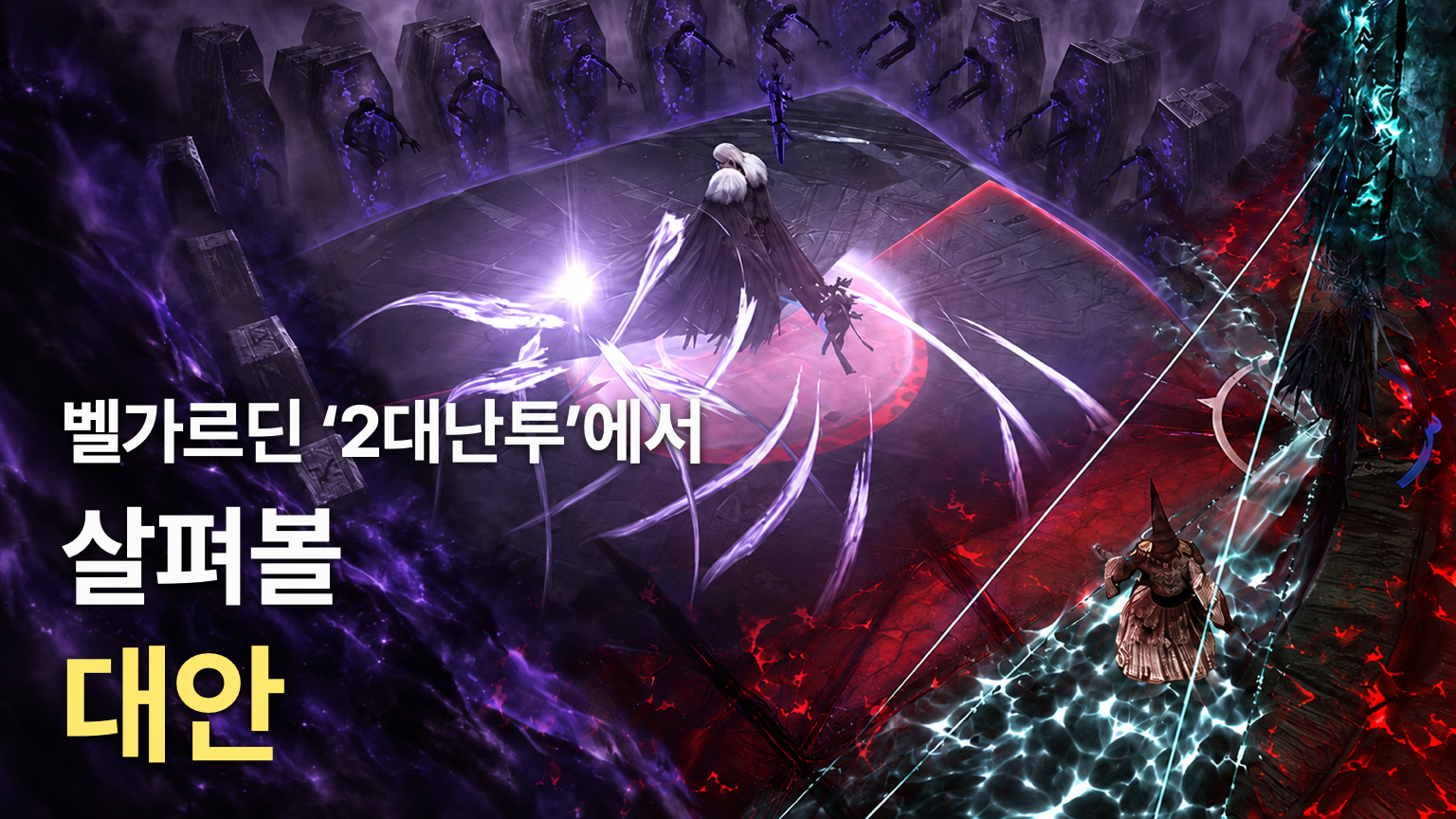
The Korean article points to a Belgardin Gate 2 strategy involving a second “Grand Melee” phase as an encounter-design comparison. These are references to the Korean encounter and mechanic.
The proposed value is in executing mechanics and managing the fight to create another opportunity, rather than relying exclusively on enough damage to finish sooner.
That gives gear and execution distinct roles.
Higher gear adds breathing room, while accurate play can recover some missing damage. Practice then means more than making fewer mistakes: it can mean deliberately earning another attack opportunity.
Of course, using that second phase does not guarantee a clear with lower gear. A party still needs sufficient damage, survival, and mechanical execution.
The interesting point is the structure, rather than a claimed clear at a particular score: playing better gives the party a way to improve its position directly.
What if every bonus becomes mandatory?
There is a design trap here.
If a party needs every possible bonus window just to barely clear, those windows stop feeling like rewards for good play. They become additional failure conditions.
The available margin changes the experience of the same mechanic. At appropriate gear, some ability to recover from mistakes, with strong execution adding further room, would support more approaches.
An encounter that ends with one mistake feels different from one where successive successes build an advantage, especially across repeated attempts.
Gear progression should still matter too. Feeling the strength of a character you have invested in is part of Lost Ark’s appeal.
The useful question is whether better gear and better execution both create meaningful room to succeed. A well-balanced encounter can reward both.
The former Mordum Extreme rules, for context
The Korean Act 3 Extreme event ran until maintenance on October 21, 2026. It is now closed. These were its event-specific requirements, not the entry rules for every regional version of regular Mordum.
| Difficulty | Required item level | Revival rule |
|---|---|---|
| Normal | 1730 or higher | Unlimited revivals |
| Hard | 1770 or higher | Unlimited revivals |
| Nightmare | 1780 or higher | No revivals |
Meeting the item-level requirement did not establish clear readiness. Nightmare’s lack of revivals made survival and pattern knowledge particularly important.
When comparing old guides or recruitment expectations, check their publication dates. The boss changed on October 3. A pre-adjustment account describes a different damage check from a later attempt.
Lowering Mordum’s HP reduced the required damage. Confidence that the next attempt could succeed, however, depends on more than an HP number.
Finding another attack opening because you learned a pattern, or creating an opportunity through better coordination, makes practice feel productive.
A raid should reward both a stronger character and a better understanding of the encounter. That is the experience worth carrying into later top-end content.