

Gen.G defeated LYON 3–0 in the Worlds 2026 quarterfinals to reach the semifinals. To understand the series, I would focus less on a simple gap in individual skill and more on compositions that made it easier to turn that advantage into wins. Even strong teams take on uncertainty when they must snowball aggressively from the start or stake everything on one engage. Gen.G supported their own macro while limiting how LYON could expand a lead.
That does not mean all three games were flawless. LYON's Ezreal became a threat in game one, and game three featured an unfamiliar top-lane matchup. Rather than praising the drafts solely because of the result, it is worth separating where Gen.G's choices actually helped.
Gen.G vs LYON result and compositions by game
Gen.G fielded Kiin, Canyon, Chovy, Ruler, and Duro against LYON's Dhokla, Inspired, Saint, Berserker, and Isles. The final score was 3–0, with IG next in the semifinals. The picks are listed below in top, jungle, mid, bot, and support order.
| Game | Gen.G composition | LYON composition | Kills from Gen.G's perspective and duration |
|---|---|---|---|
| Game 1 | Olaf · Qiyana · Galio · Jhin · Leona | Jax · Lee Sin · Orianna · Ezreal · Nautilus | 19–8 · 32:13 |
| Game 2 | Sion · Jarvan IV · Viktor · Ashe · Seraphine | Jayce · Wukong · Cassiopeia · Mel · Pyke | 22–6 · 26:32 |
| Game 3 | Aurora · Pantheon · Taliyah · Xayah · Rakan | Gangplank · Trundle · Anivia · Corki · Alistar | 16–10 · 33:29 |
Game two was the shortest and had the largest kill gap. But a table shows outcomes, not why they happened. The bot-lane situation in game one and Sion in game two become clearer when viewed through win conditions rather than numbers alone.
Good drafting goes beyond collecting strong champions
When evaluating a draft, first ask whether the picks' roles connect. Can the lanes hold up? Who starts fights, who supports the player going in, and what can the team gain elsewhere if the opponent avoids the fight? Five popular champions can still leave a team with difficult tasks if those connections are weak.
A composition short on engage can struggle to act when opponents maintain their range. One with plenty of ways in but insufficient follow-up damage can leave its first engager isolated. A composition's strength often comes from the links between champions rather than the champions individually.
The players and opposing team matter too. Galio has different options in the hands of a player who manages waves and creates time to roam than one constantly pinned under a turret. Champion matchups explain the basic structure, but evaluating an actual draft also requires considering who will execute it.
That is why Gen.G's choices look favorable here. They can be read as using the players' strengths while reducing the burden of coordinating complicated sequences. Difficult compositions are not inherently bad: reliable rewards from early pressure or side lanes can justify the execution cost. The question is whether those rewards can actually be earned against this opponent.
Game one hinged on where the fed Ezreal could use his strength
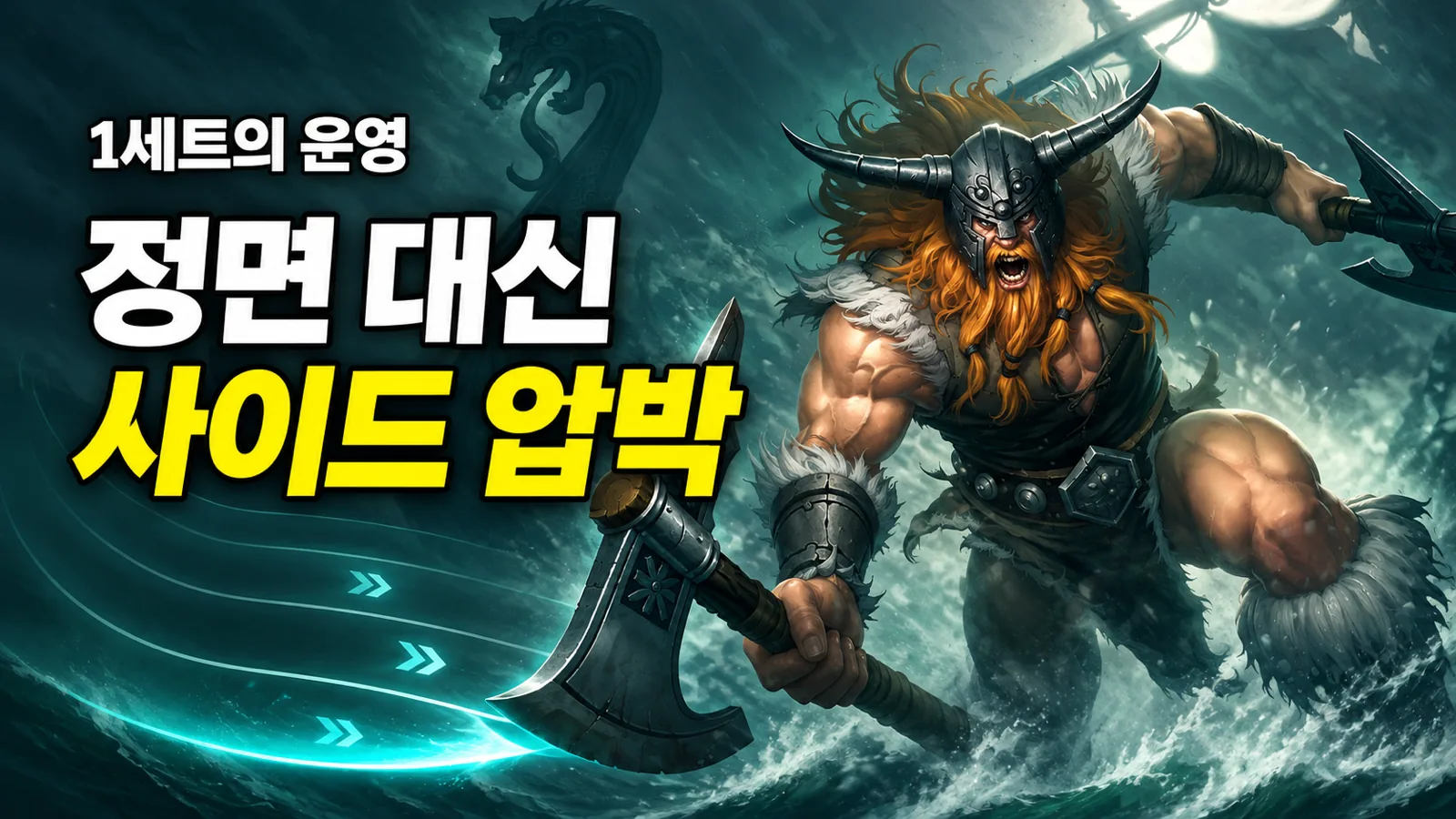
Gen.G had Leona and Galio in game one. Their jobs connect naturally: Leona starts a fight and Galio joins to reinforce it. Because Galio's ultimate targets an ally's position, a teammate who can go in first makes it more meaningful. Jhin can also contribute from a distance without needing to stand beside the opposing marksman and compete in sustained damage.
But Gen.G suffered early losses around bot lane and dragon, allowing Berserker's Ezreal to grow strong. Winning does not make that detail trivial. A strong Ezreal can chip away from range and make opponents lose health before they even reach an objective. Letting him claim his preferred position first makes the situation increasingly difficult.
Gen.G answered with side-lane pressure instead of accepting that strength head-on. Side-lane play pushes top or bot to divide the enemy team. Sending someone to defend reduces the group in mid; ignoring the wave costs minions and turrets. Even a team wanting to group and fight now has another problem to solve.
In that situation, one fed Ezreal does not automatically give his whole team control. Taking resources away from his position or pressuring scattered opponents avoids immediately confronting his lead directly. The game illustrated that who is stronger and where that strength can be used are separate questions.
Gen.G's continued response after losing ground deserves credit. It does not establish that the bot-lane errors were harmless. An opponent who defends side lanes better or quickly converts Ezreal's lead into objectives could leave less room for the same recovery method.
Sion narrowed LYON's paths to expanding a lead in game two
Mel and Pyke were an eye-catching bot duo in game two. Mel is a mage, while Pyke combines a support role with an assassin's identity. Such a lane needs rewards beyond simply scaling around a traditional marksman. Pyke roaming into other lanes and turning early gains into favorable subsequent fights becomes important.
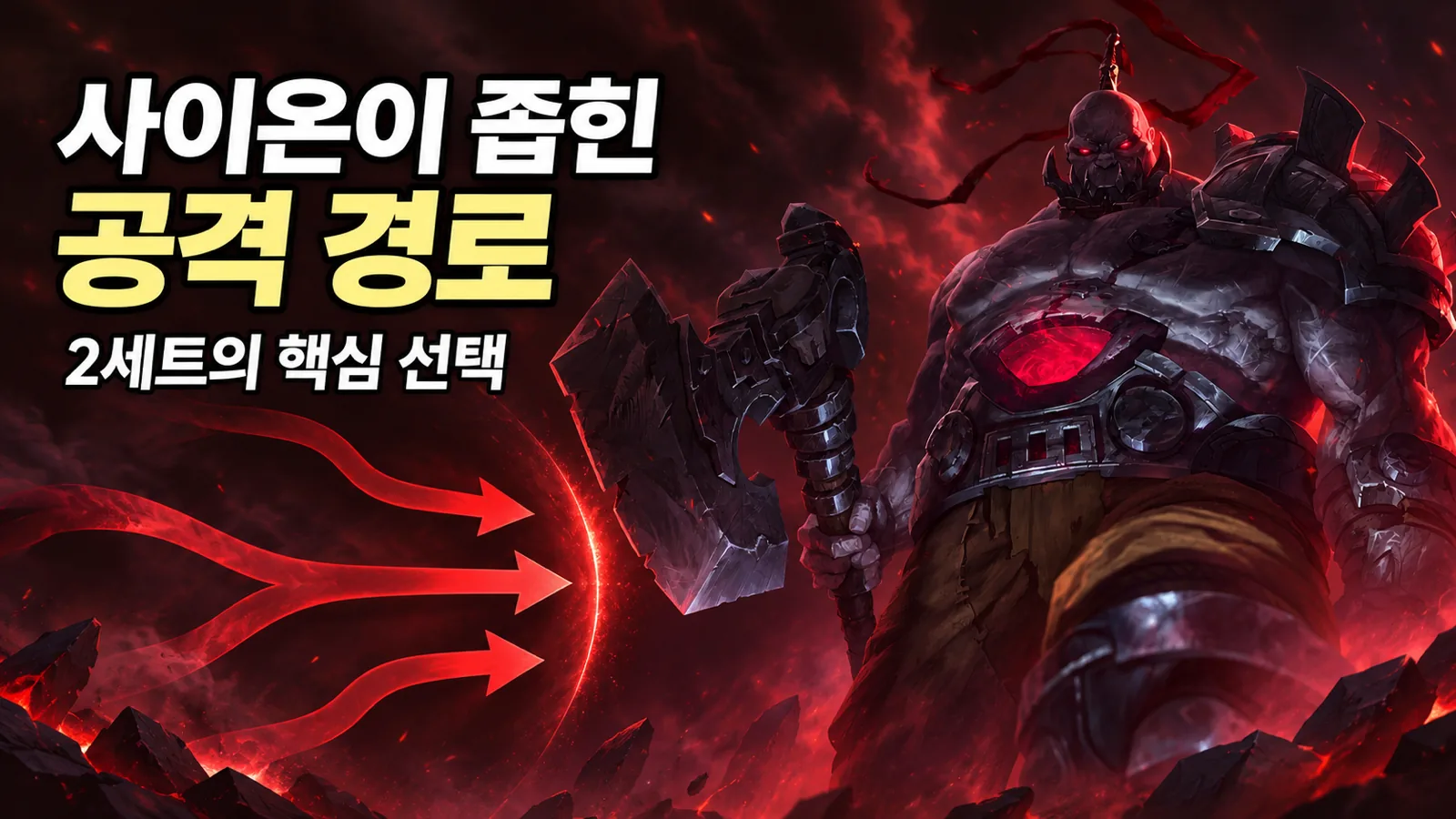
Lacking a bot-lane marksman does not automatically require an early finish. LYON also had Cassiopeia's sustained damage and Jayce's poke. However, once Viktor, Ashe, and Seraphine were ready to fight behind Sion, LYON would need a more difficult approach to break the formation. That is why building a lead through early movement looked particularly important.
The key question therefore goes beyond whether Pyke can leave bot lane to who he can pressure after roaming and what that pressure can secure. If movement brings neither kills nor turret pressure, LYON may simply pay the cost of leaving bot lane.
Kiin's Sion mattered in that context. Expanding attacks through top-lane Jayce requires threatening the opposing top laner so jungle and support movement pays off. Sion could serve as the tank absorbing that pressure. Rather than choosing to trade attacks in top lane, Gen.G reinforced a position LYON wanted to target.
Picking Sion does not guarantee shutting down Jayce. Wave state, health, and jungle intervention can bring down a tank too. But making one expansion route harder forces LYON to win bot more decisively or break through mid, while giving Gen.G more room to protect other lanes. The pick's value lies less in Sion's personal score than in making the attacks LYON needed to execute more difficult.
Game three alone does not settle Gangplank's value
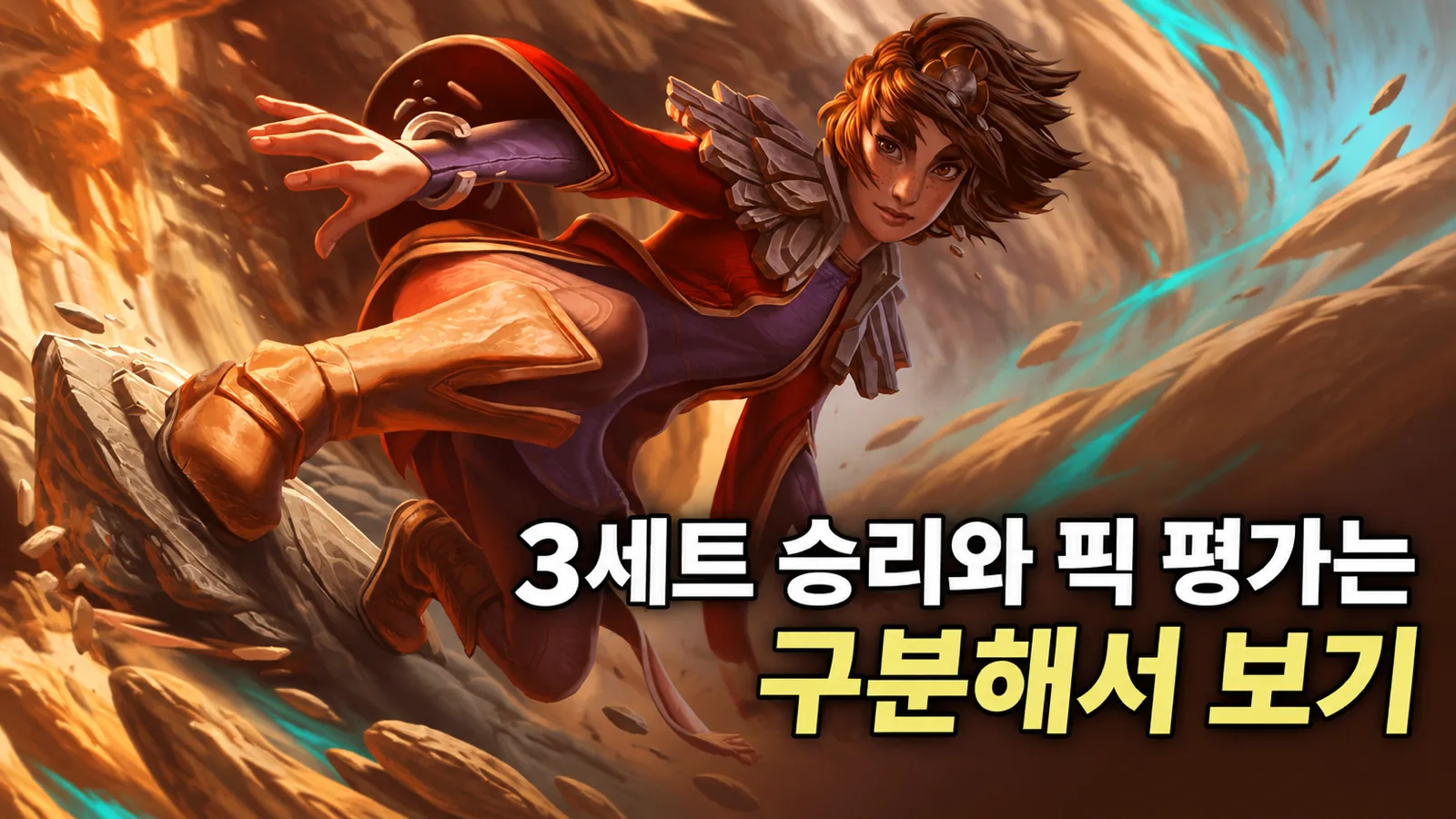
Game three paired Kiin's Aurora against Dhokla's Gangplank. Gen.G added Pantheon, Taliyah, Xayah, and Rakan; LYON picked Trundle, Anivia, Corki, and Alistar. With a different setup from earlier games, it would be difficult to label all three compositions equally easy under one standard.
LYON had useful teamfight tools. Anivia can control narrow spaces, and Gangplank's barrels and ultimate can discourage approaches. Gen.G also had ways to move first or change where a fight happened. This was not a matchup where time alone automatically favored one side. Getting into position first and restricting the enemy's engage and movement mattered.
Gen.G won again, but I would not turn that result directly into proof that Gangplank was a bad pick. Top-lane outcomes reflect matchup, player proficiency, jungle involvement, and the team's ability to provide support. A single game makes those factors hard to separate.
It is possible to imagine Dhokla surviving longer on a tank. But that choice could sacrifice side-lane threat or ranged damage. There is a gap between saying the actual pick failed to deliver its intended results and concluding that a different pick would definitely have been better. Keeping that distinction prevents wins and losses alone from dictating how unfamiliar choices are judged.
Against IG, watch how much room Gen.G has to recover from mistakes
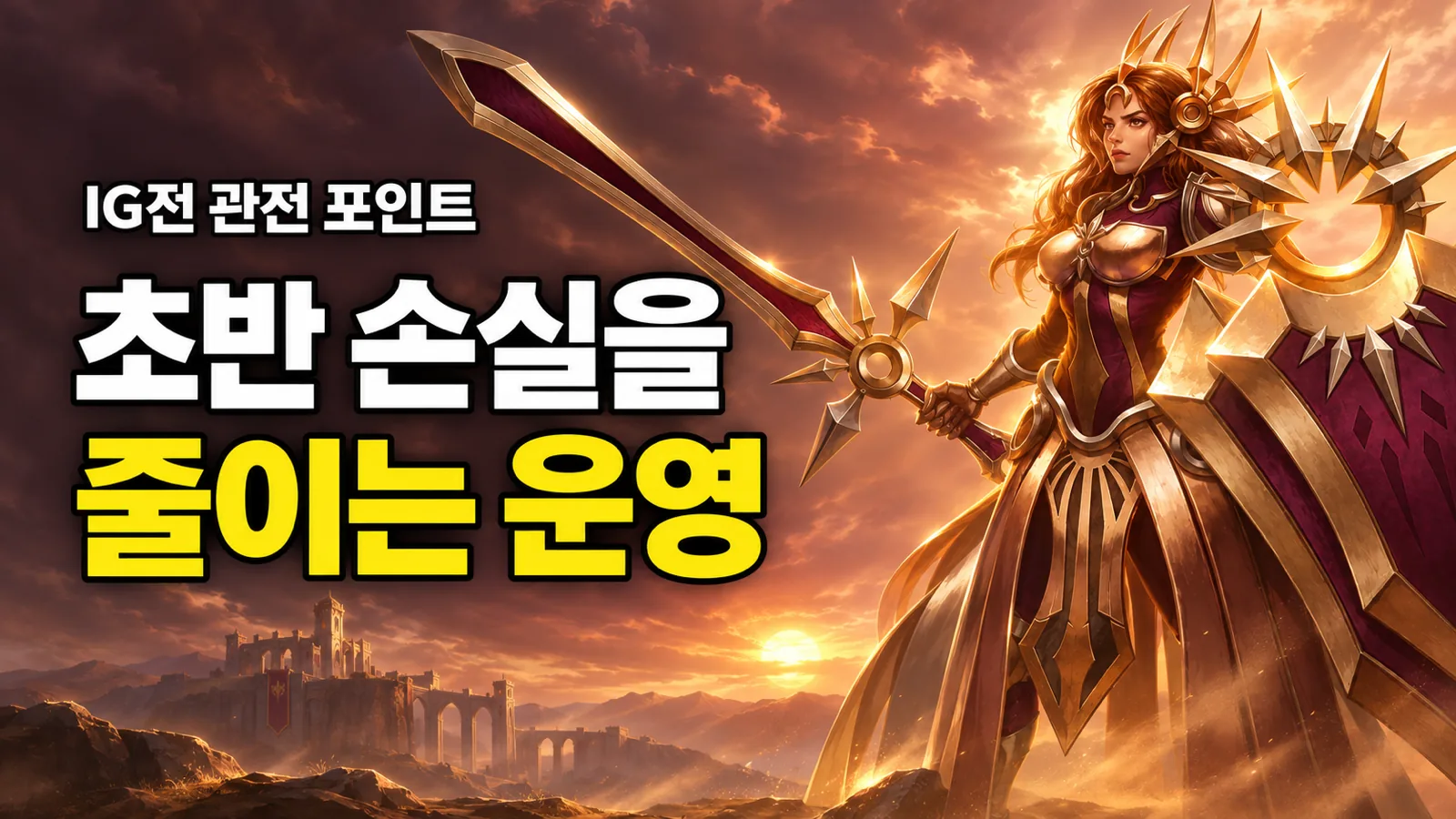
Gen.G face IG in the semifinals. This 3–0 cannot guarantee the next result. Different opponents change lane pressure and the time available to join teammates, even with the same composition. Another team may reopen attacking routes that Gen.G could close against LYON.
In the next series, I would first watch how well Gen.G limits the opponent's early gains. If bot loses ground as in game one, can side pressure buy time, or will the opponent secure objectives and turrets before that response works? Even a strong draft struggles to show its strengths when execution costs too much time.
The most convincing part of this win was Gen.G's creation of concrete conditions for their strengths to matter: connecting fights, pressuring elsewhere instead of contesting a disadvantage, and restricting routes for enemy attacks to spread. Going forward, the focus should be less on the number of flashy picks and more on how clearly each choice defines the team's next action. Maintaining those connections should help the players' skill translate into victories more consistently.
