

For a different feel in Season 16, three candidates stand out: a Druid chaining Trample, a Sorcerer combining Flamescar with Incinerate, and a Rogue stacking and detonating Shadow infections. Their appeal is how they sustain combat, not simply bigger damage bonuses.
Pay particular attention to what happens after you stop attacking. Opening a chest or avoiding a ground effect may let one build resume immediately while another must set up again. Watching only uninterrupted damage hides that distinction.
These are possibilities shown on the 3.3.0 PTR. Treat them as previews of mechanics and inputs, not final live-season rankings or complete gear prescriptions.
The three builds sustain offense differently
A new build doesn't require a new skill. Unique-item effects and damage rules can change how an existing skill plays: Trample becomes a chain of movement and attacks, while Incinerate can briefly retain maximum Intensity after channeling stops.
| Candidate | Main change | What to evaluate |
|---|---|---|
| Trample Druid | Chained Trample casts | Downtime when the chain breaks |
| Flamescar Incinerate Sorcerer | Nearby damage at maximum Intensity | Maintaining Intensity and surviving near enemies |
| Shadow Imbuement Rogue | Stacking infections into explosions | Application speed and detonation method |
This isn't a damage ranking. It separates continuous movement, brief channeling, and combining an application skill with a detonation tool. Even builds with similar high-end clears can feel comfortable to different players.
Trample Druid reveals its trade-off when you stop for a chest
The key is Insatiable Fury. The official PTR notes change its single free Trample into the ability to chain casts. The repeated attacking and movement, rather than one charge, become the build's identity.
The demonstrated PTR setup linked the next Trample within an approximately two-second recast window. Keep the chain going and movement continues; exceed the window and cooldown downtime returns. That timing belongs to the tested setup, not a guaranteed value across all gear or the live season.
This isn't solely an execution test. Opening Helltide chests and collecting dungeon objectives require you to stop attacking. A smooth combat chain can break because of necessary interactions, which differs from simply missing an input.
Evaluate uninterrupted combat separately from routes mixing movement and interactions. Chasing enemies through continuous attacks may be appealing. If you prefer inspecting drops and opening chests at your own pace, assess the burden of repeatedly restarting.
Cooldown Reduction could reduce the gap after a break, but that changes gear and stat allocation. 'Just keep pressing' doesn't establish an effortless build. Consider both the strain of continuous input and the penalty for briefly letting go.
Incinerate's surrounding flames depend on maximum Intensity

Don't confuse this setup with Firewall's Ring of Fire variant. The build here combines Incinerate and Flamescar. Similar circular effects don't make them the same skill setup or require the same item effects.
Incinerate builds Intensity while channeling, and at maximum retains that benefit for three seconds after channeling ends. Flamescar changes to deal a proportion of Incinerate damage to surrounding enemies at maximum Intensity. Together, those changes allow brief movement windows.
Movement doesn't mean unrestricted, permanent damage while running. You must first reach maximum Intensity, and its retention is limited. Think of channeling, repositioning briefly, and returning to your attack.
Enemies must also remain within the surrounding damage area. Firing the beam from far away and combining beam damage with the nearby effect expose you to different risks. Adequate theoretical damage is little help if you cannot maintain the position.
Dodging a ground attack may allow movement while reducing nearby-enemy damage. That's an inference from the area requirement, not a claim based on testing a particular boss. Distinguish being able to move from which damage actually persists during movement.
Incinerate may appeal if you like the ring of flames and managing Intensity from a chosen position. If continuous running damage is your priority, examine its rhythm first. A damage bonus doesn't remove setup time or range requirements.
Separate Shadow infection application from detonation
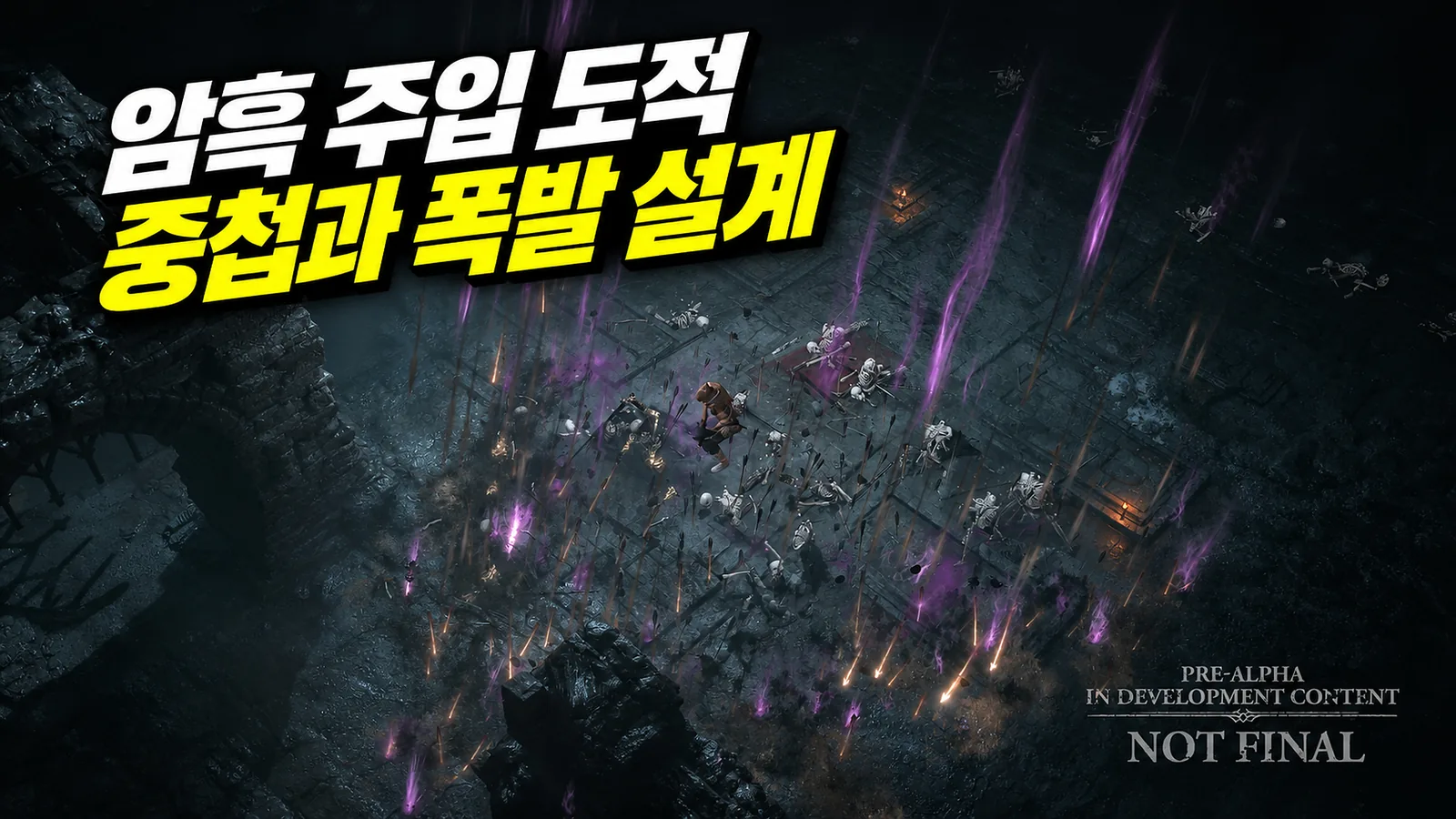
The key Shadow Imbuement change concerns reapplying infection to the same target. Instead of refreshing it, applications stack for additional damage, and infection explosions can stack too. Repeated hits can therefore build more infection.
That makes the framework more useful than remembering one attack skill. With candidates such as Dance of Knives or Flurry, ask how they deliver the imbuement before judging their visuals. Applying infections and detonating accumulated stacks are distinct jobs.
The PTR notes also let the Dark Dance variant work when dashing through enemies, while Shadow Play makes expired infections explode. Even within Shadow Imbuement, movement-driven triggers and expiration-based explosions suggest different approaches.
Not every attack will perform identically. Imbuement eligibility, hit frequency, and how you approach enemies change stack speed and risk. Multiple viable skills don't imply equal efficiency.
Clearing a pack and sustaining damage on one boss are different situations. Explosions may flow naturally through trash, while a durable target makes detonation timing more noticeable. A useful setup can explain both what applies the infection and what triggers its explosion.
Shadow Imbuement is particularly interesting if you enjoy comparing attack skills around one central system. Learn the infection-and-explosion framework, then choose attacks and movement that support it. That's a design judgment, not proof of the strongest live-season class.
A lasting build must fit the moments between fights too
Trample chains, Incinerate Intensity, and Shadow infections all change how attacks continue. Instead of grouping them as recommendations just because they're new, picture the actions you'll repeat.
Do you enjoy bounding after enemies, alternating brief movement with channeling, or assembling application and detonation tools? This isn't only a preference survey: it tests whether you can sustain that attack pattern in actual play.
Beside peak damage, note one interruption: opening a chest, dodging danger, or a boss moving away. Then check what it takes to resume damage. The most useful comparison is not the single hardest hit, but how naturally you reach the next attack.
