

A tier list is often the first stop when deciding which Brawler to upgrade. But a high placement will not help if you cannot use the required range or stop an opponent’s approach.
Consider the map, mode, opposing composition, and your own experience together. Raw damage matters less than landing it reliably and performing the role your team needs.
A Good Pick Is More Than High Damage
Can You Turn Damage Into the Objective?
Damage and a winning position are not always the same. Denying an area, creating room for teammates, and interrupting an important push also contribute to wins.
Alongside damage and eliminations, review whether you held your assigned lane or area. If high damage never gave you access to the objective, rethink your route and fighting position.
Do the Brawler’s Requirements Fit Your Play?
Precise aim, well-timed approaches, and coordinated support demand different skills. A highly rated pick will underperform if you repeatedly miss its defining attack.
Beginners can start with a Brawler whose attack and survival tools are easy to understand. Build consistent fundamentals before branching into additional roles.
Three Checks Before Trusting a Tier List
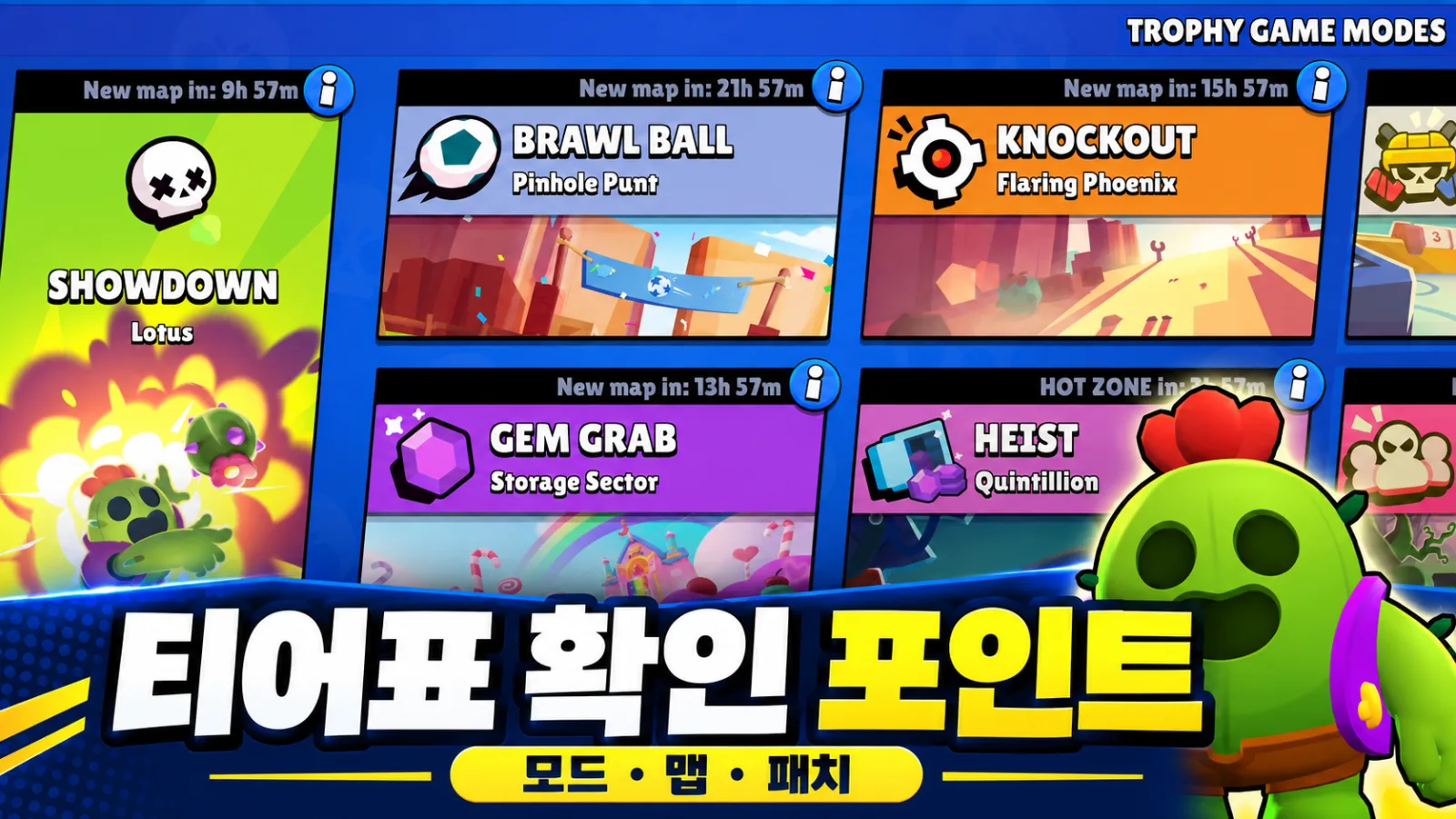
Which Mode and Map Does It Cover?
Open maps emphasize range and aim. Walls increase the value of wall interactions and certain movement tools. Heavy bushes put more weight on vision checks and ambush responses.
The same Brawler can play differently at different engagement distances and along different routes. A ranking averaged across modes may not reflect your usual queue.
What Skill Level Does It Assume?
Top-level ratings may assume precise aim and rapid decisions. A coordination-dependent pick can also feel different in solo queue.
Read the execution difficulty, cost of mistakes, and reliance on allied support alongside the rank.
Does It Include Recent Balance Changes?
Gadget cooldowns, Super charge rates, and Star Powers can change a pick’s value alongside damage. Compare older lists with official notes and the current client before committing resources.
Pick Around the Map and Opponents
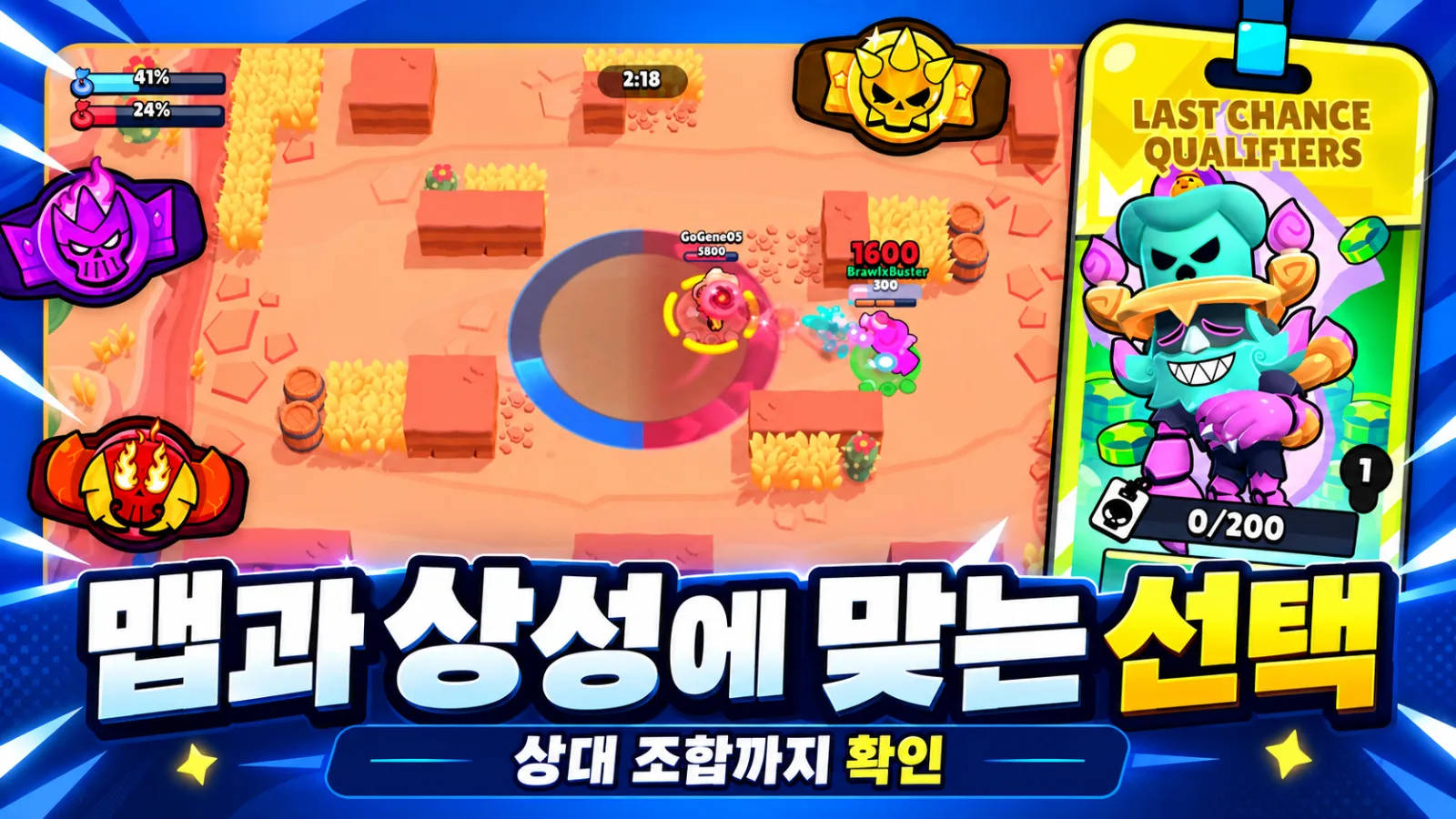
Ask these questions before locking in:
- Will the important fights happen at short or long range?
- Can I use the walls and bushes effectively?
- Can I respond when an enemy closes the gap?
- Does this pick fill a missing team role?
Look for Ways to Limit the Opponent’s Strengths
Supercell’s role categories include Damage Dealers, Assassins, and Marksmen. Knowing their broad tendencies helps anticipate whether an opponent wants to close distance or pressure from range.
Class alone does not decide a matchup. Actual range, Gadgets, terrain, and execution matter. Use the category as a starting point.
Avoid Stacking the Same Weakness
Individually strong picks can still leave a composition vulnerable. An entirely short-range team may struggle to approach long-range pressure; a team focused only on ranged poke may have trouble responding to a dive.
Ask whether your choice also makes allied movement easier. Some matches need a pick that stops pushes or covers a teammate’s weakness more than another source of damage.
Amber as an Example: Recheck the Affected Ability
The maintenance changes cited by the source include reduced HP for Amber’s Fire Starters Gadget, shorter Fire Fluid duration for Wild Flames, and reduced burn damage for her Hypercharge Buffie.
When part of a kit changes, reassess the affected situations rather than applying an old verdict unchanged. Check Gadget timing, area denial, and the windows where the enhanced effect matters.
A nerf alone does not settle upgrade value. Identify what changed in your actual loadout, then compare the difference on your usual maps.
Before Spending Coins
Prepare a Main Pick First
Spreading upgrades across many Brawlers increases choice but may leave your most-used pick underprepared. Choose a main candidate and learn the purpose of its attack, Super, Gadgets, and Star Powers.
Before buying an extra upgrade, identify the recurring match problem it solves. Popularity alone is a weak reason to spend on an option you rarely use.
Choose the Next Pick to Cover a Weakness
If your main focuses on close combat, add a ranged option to practice. If you only know long-range pressure, consider a pick suited to walls or closer engagements.
Ask both ‘Who ranks highly?’ and ‘Who lets me play situations my current roster cannot handle?’ That gives each upgrade a purpose.
FAQ
 Will a High-Tier Pick Immediately Raise My Win Rate?
No guarantee. Rankings help narrow candidates, but map fit, matchups, and consistent execution still matter.
What Should Beginners Practice First?
Choose an understandable attack and role, then repeat the pick while learning spacing, ammo management, and survival. Constantly rotating through unfamiliar Brawlers can make those lessons harder to track.
Should I Drop a Brawler Immediately After a Nerf?
First check the effect on your own play. Compare whether your established role still works and whether another option now fits it better.
A good choice performs its role reliably on the map you are actually playing. Use rankings to shortlist candidates and matches to find the ones that fit you.
Regional and version notes
This is a selection and practice framework, not a live tier list or a win-rate guarantee. The Amber example refers to the September 16 maintenance section of the August release notes. Read the current client before spending progression resources. Some illustrations are retained from the Korean edition and may include Korean labels. Use the English article text for instructions.
Localization sources checked October 23, 2026 (Korea time):