

For the first split of Apex Season 31, Pathfinder and Loba are useful starting points for solo ranked, with Nemesis and C.A.R. worth comparing as a loadout. The point is whether you can recover from bad situations independently and turn team advantages into won fights, rather than memorizing names.
Crypto's rework and Lifeline and Revenant buffs stand out, but more changes do not automatically make a legend easier. Nerfed options such as Loba and Nemesis can remain useful if their roles survive. Separate official changes from judgments about using them.
Separate solo and premade priorities
These recommendations are role-based options, not official tiers or win-rate rankings.
| Situation | Starting options | What to consider |
|---|---|---|
| Solo ranked | Pathfinder, Loba | Repositioning, escape, and obtaining essential equipment |
| Communicating three-stack | Build around Pathfinder and Seer | Add a third role to movement and information |
| Recovery and resetting | Lifeline | Where and when a teammate can be revived |
| Coordinated engagements | Consider Crypto and Revenant | The action immediately following an ability |
| General-purpose weapons | Nemesis and C.A.R. | Mid-range pressure and close-range finishing |
In solo queue, teammates' entry and retreat timings are uncertain. Abilities that correct your position or equipment are easier to use than ones requiring a fully coordinated team. That is the basis for prioritizing Pathfinder and Loba.
Neither guarantees survival. A bad grapple destination can carry Pathfinder away from cover, and Loba can be trapped again after using her movement. A good solo pick offers recovery from mistakes rather than permission to overcommit.
Why Loba's nerf does not automatically remove her from recommendations
Loba's tactical cooldown increased from 25 to 30 seconds, and her ultimate from 120 to 150. Repeated movement and frequent Black Markets are more restricted. Cooldowns are part of performance, so this matters.
The equipment-supply role remains. Finding a desired weapon or replenishing healing can still reduce time spent falling behind, especially when solo teammates' routes are difficult to coordinate.
Be more conservative with the movement ability. Using it to enter and expecting another immediate escape becomes riskier with a longer cooldown. Remaining recommendable does not mean playing exactly as before.
What should join Pathfinder and Seer in a three-stack?
A communicating team can secure movement and information first: Pathfinder reaches useful positions, Seer identifies opponents, and the third legend fills a gap. Think about recurring team failures rather than fixing three names regardless of context.
Consider Loba for awkward looting and supply, Mad Maggie for pressure and entry, or Lifeline for healing and revives. If two players already take aggressive positions, adding only more aggression can leave little recovery when the first push fails.
Abilities must connect. Information without a firing angle is wasted, while mobility without teammates following creates a numbers disadvantage. Agree who signals the engagement and who calls the retreat.
Evaluate Crypto and Lifeline by their usage conditions
Crypto's rework encourages collecting information and fighting with the team rather than remaining in drone view. Drone marks, EMP use, and rejoining flow changed. A November 4 follow-up also reduced drone recall time from six seconds to 0.7; launch notes alone miss it.
Crypto still depends on the team's readiness. EMP damage and slow lose value if distant teammates cannot act before opponents recover. They matter more when teammates are positioned to pressure and Crypto rejoins promptly. Better abilities do not remove coordination requirements.
Lifeline has improved healing access and can select a revive shield at level 3. Remember this is an effect obtained by choosing an upgrade, not protection always present in the base kit.
Revive location still matters: can enemies flank, and can the team hold cover? Strong recovery is not permission to fight indefinitely in danger. Revenant likewise needs teammates' firing support before committing deep with improved mobility.
Why start by comparing Nemesis and C.A.R.?
Two weapons are easier to use when they cover different ranges. Mid-range pressure should transition into close-range response. Nemesis/C.A.R. provides a clear division of roles, rather than being a claim of universal superiority.
Nemesis gained vertical recoil. That does not erase its damage or entire playstyle. Test burst consistency at your usual distance before discarding it because of a nerf label. Input devices and recoil skills also change how the adjustment feels.
C.A.R. is worth considering for tracking and finishing at close range. Do not repeatedly discard usable equipment or extend looting just to complete the recommended pair. Falling behind the team can cost more than the ideal weapon gains.
For substitutes, consider attachments, optics, recoil control, and your ability to support nearby teammates. A familiar weapon covering the needed range has a valid role beyond a tier letter.
Prowler and Akimbo Wingman need different cautions
Prowler gained recoil and lost Selectfire. Developers aim to retain its close-range threat while reducing its ability to overpower rifles at medium range. Separate those roles rather than assuming close-range viability preserves the old mid-range use.
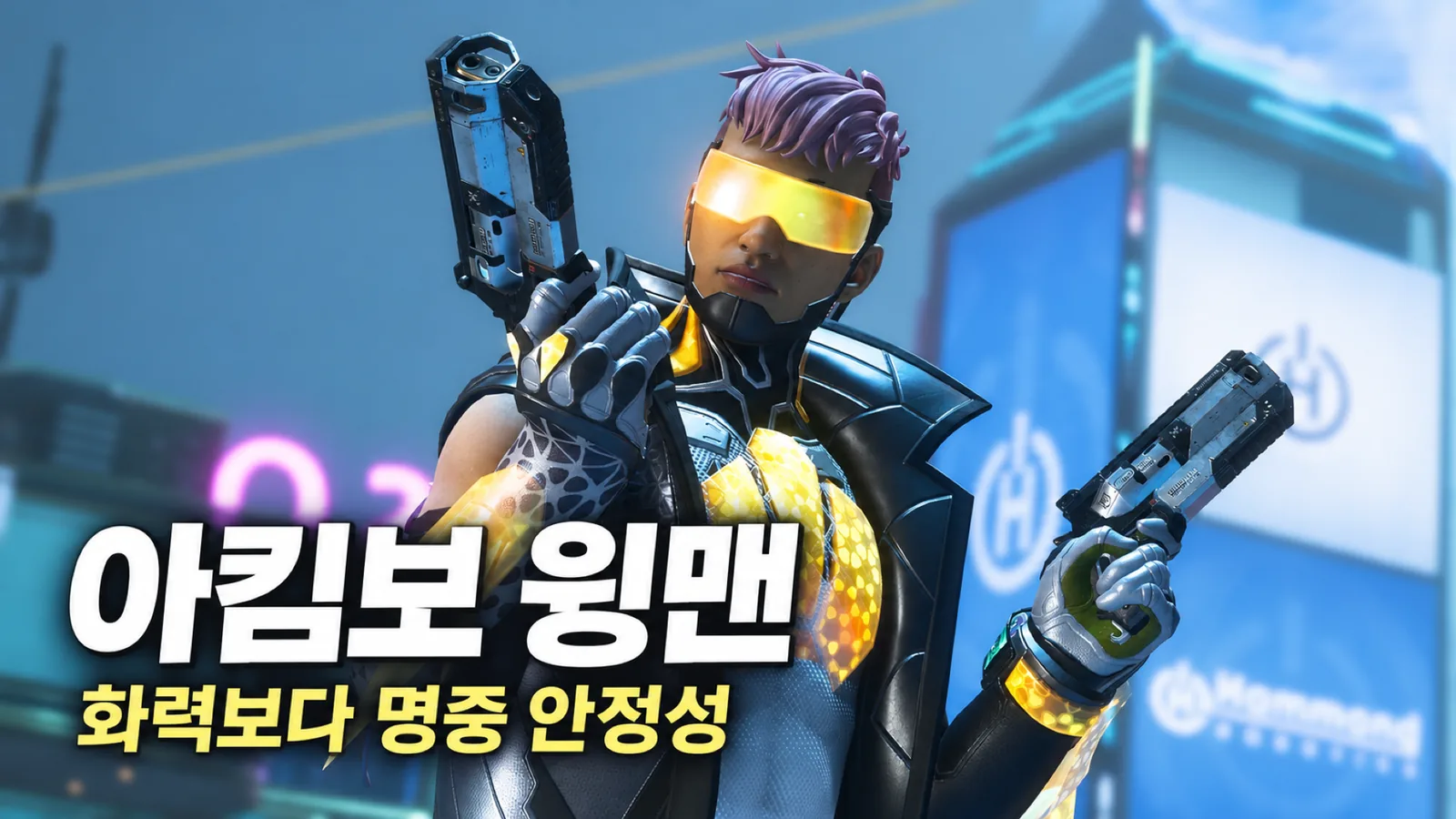
Akimbo Wingman fires the two pistols in rapid sequence as a burst. Novelty alone does not make it a priority. Check whether you consistently land the follow-up shot on moving opponents; losing aim after the first shot reduces realized damage.
Stationary firing-range damage can overstate these weapons' value. Track lateral movement and test aim maintenance through the firing rhythm. Judge the gap between theoretical damage and what you actually land.
Bans and Strongholds make backup choices useful
Season 31 introduces legend bans in Diamond-and-above matches. Requests feed a probabilistic selection of two legends, rather than guaranteeing the two most requested bans. Prepare a similar-role alternative or a change to the whole composition.
Sharing a movement role does not mean identical controls. Practice how the alternative moves the team and exits bad fights. Losing familiar coordination can be more damaging than choosing a lower-rated legend.
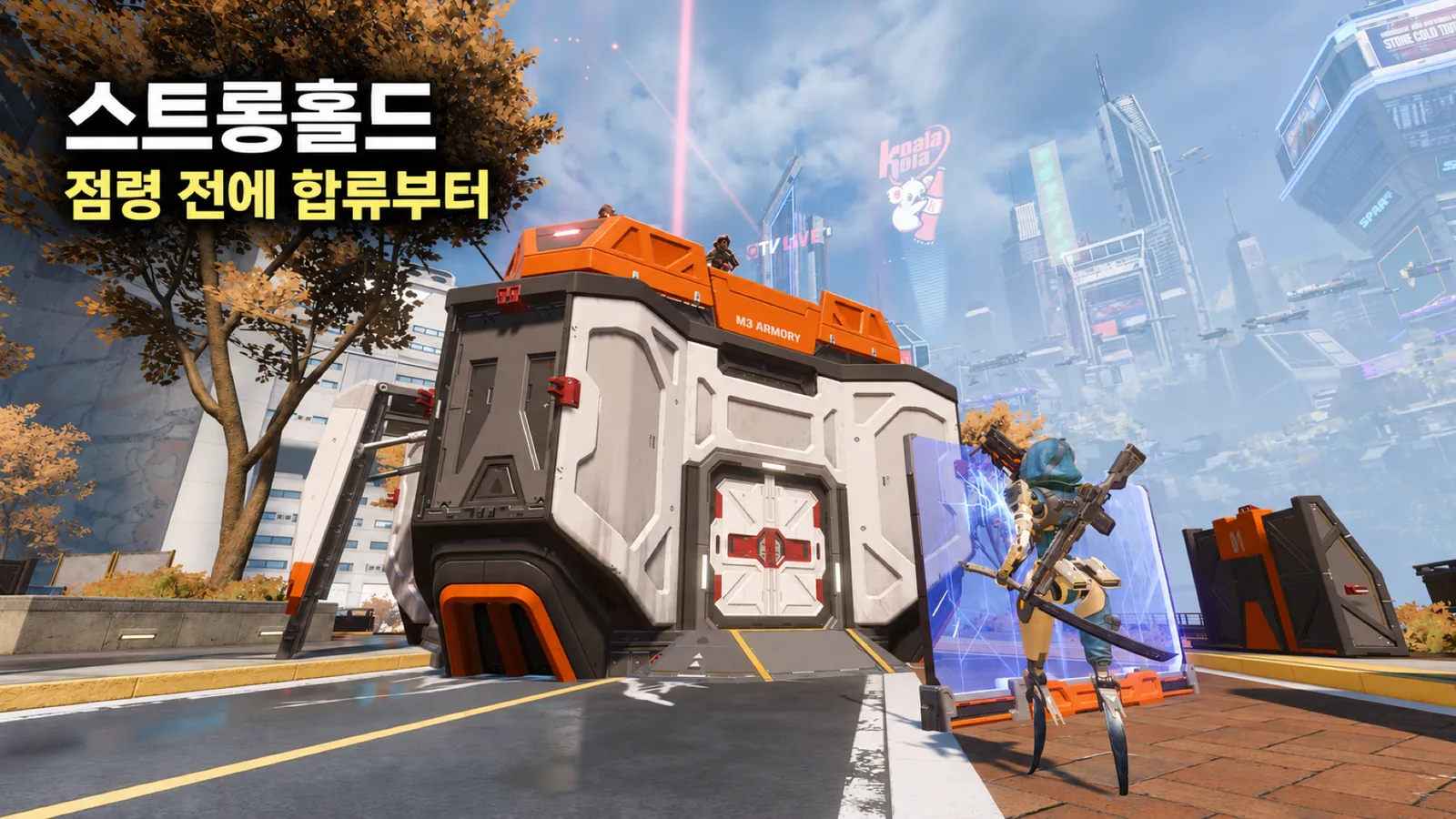
Strongholds add a midgame objective: control the surrounding area to capture valuable loot, while other squads may contest. Check entrances, cover, nearby enemies, and the next-ring exit before committing for rewards. Information and repositioning abilities support that decision.
Using recommendations well means expanding your ability to recover in solo queue and translating information into three coordinated actions in a party. If losses repeat with the same legends and guns, identify whether movement, regrouping, or shooting breaks down before seeking another tier list.
