

If you are considering AION 2's Munin server, its current win rate alone is not enough to choose by. Taken together, accounts from a war commander on Munin's side describe a server that has struggled against stronger opponents but still has people trying to keep fighting together. Expecting effortless rewards for everyone, or large-scale battles at all times, could leave you with a different environment from the one you wanted.
The question I consider more important is whether people still have a reason to regroup after an unfavorable matchup. Participation can look strong when a server is ahead, but the atmosphere after a defeat says more about whether its community can last. Applying that standard to Munin helps separate battle results from the character of its community.
Cooperation on Munin does not mean an absence of conflict
Munin is an Asmodian server. What stands out in participants' accounts is less a claim that nobody ever argues than an assessment that people try to rally around shared goals despite disagreements. This is not a representative satisfaction survey of the whole server, but it does suggest the kind of community they hope to build.
A Legion is essentially a guild, while an alliance provides a framework for several groups to cooperate in war. Even on the same server, Legions can differ in active hours and how much participation they expect. A reputation for being close-knit should not automatically be taken to mean that newcomers receive a warm welcome or can easily join every party.
Strong social ties help longtime members coordinate. New arrivals, however, must first learn the command channels and recruitment process. Concrete guidance bridges that gap better than a vague description of the atmosphere: where to assemble for a first battle, what equipment and preparation are required, and whether someone explains mistakes all directly affect how easily a newcomer settles in.
Anyone considering Munin should look at those points of contact before the server's fame. An established group working well together and newcomers being able to join that cooperation are two separate conditions.
Why an advantage against Narnia is not a permanent measure of Munin's strength
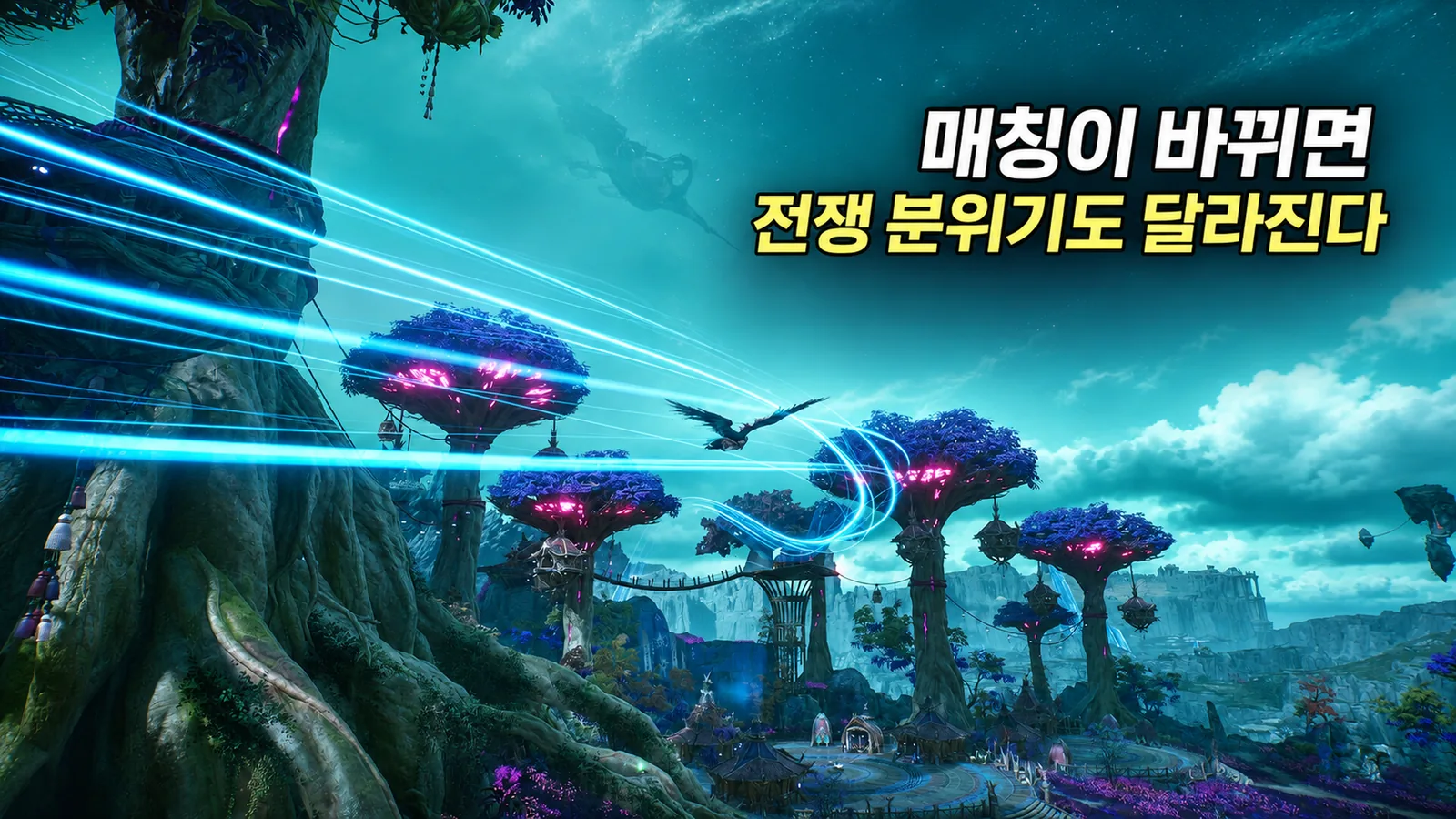
The Abyss matchup table in the October 21, 2026 update places Narnia and Munin in the same group. Munin's side describes open-world activity as relatively easier in this matchup, while also recalling earlier struggles against Narnia. The key point is that facing the same opponent again can feel very different.
That change cannot simply be attributed to Munin growing stronger. Transfers may have changed the roster, either side's online hours or willingness to participate may have shifted, and changes to the command structure could also matter. Without data showing each factor's effect, it is more accurate to distinguish the confirmed pairing from participants' sense of an advantage.
The Abyss is a space for fighting other servers and competing over key locations. Artifact capture results, everyday open-world skirmish frequency and opportunities to kill bosses are related, but they are not the same measure. A quiet field at one particular time does not prove low capture-battle participation, and a decisive victory does not establish control across every time slot.
When comparing server performance, check the opponent, the activity being measured and the period covered. Apply the same conditions when reading that Munin's atmosphere has improved, so that today's favorable experience does not become an assumption about the next matchup.
Frequent battles and easy rewards are different benefits
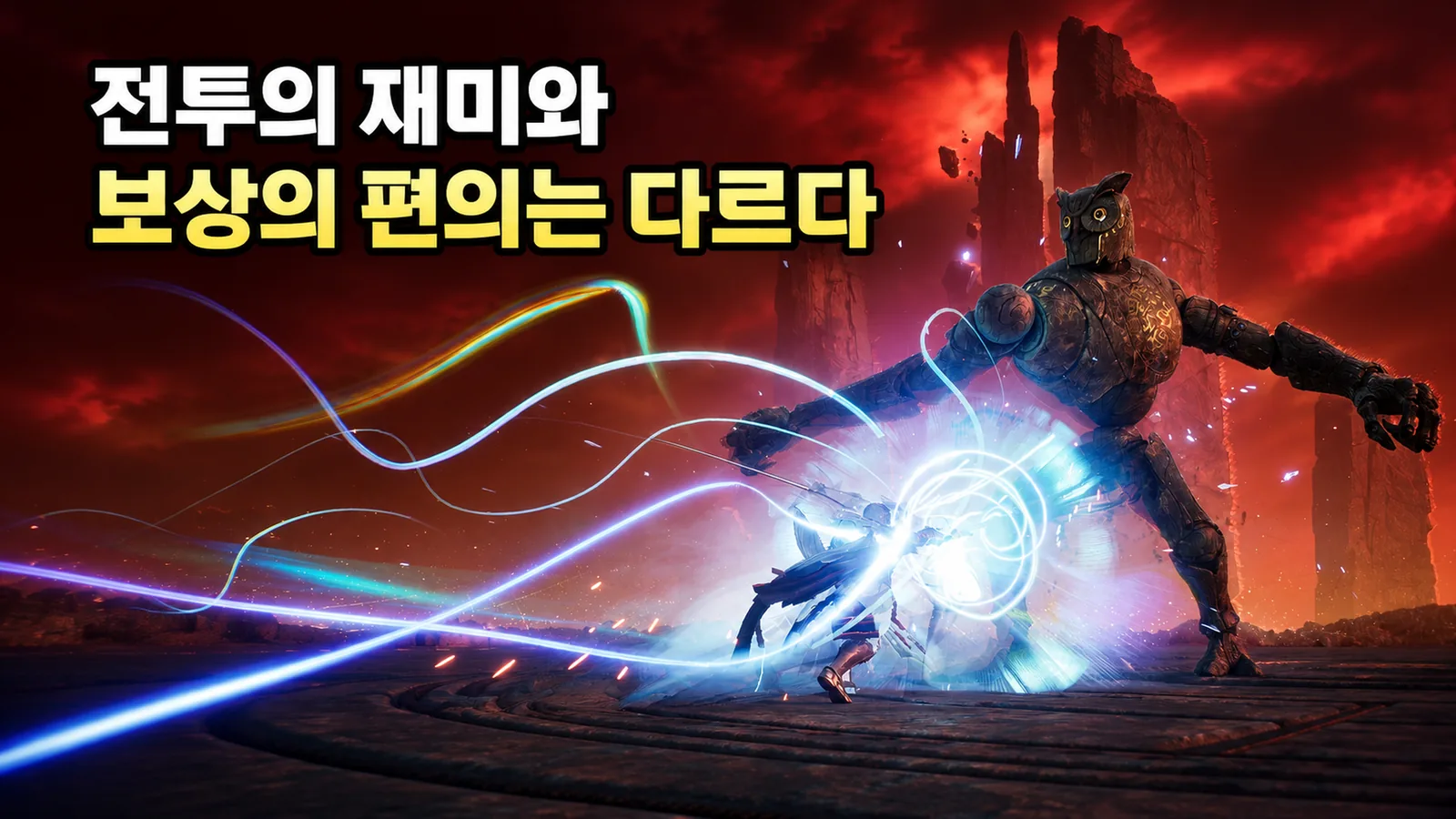
Does a strong opponent necessarily make things less fun? Not for everyone who enjoys combat. Munin's accounts describe Vaizel as an interesting opponent because it offers frequent fights, while also presenting a serious challenge in contests over key locations. The same matchup can be both welcome and demanding.
This distinction is useful when reading AION 2 server recommendations. Someone seeking a fight whenever they log in will judge the same battlefield differently from someone trying to secure rewards in limited time. The former may welcome close competition, while the latter may find that competition makes their planned activities harder to finish.
An overwhelmingly favorable matchup does not satisfy everyone either. Bosses and key locations may become easier to reach, but actual fighting can decrease if the opponent avoids engagement. Treating being successful at war and frequently enjoying war as the same thing hides this difference.
To judge whether Munin suits you, first picture how you want to spend your time. Brief scheduled activities after work call for different checks from long open-world battles with a party. Having people to play alongside during your own online hours is more useful information than a general reputation for strength.
Artifact rewards and cooperation are connected
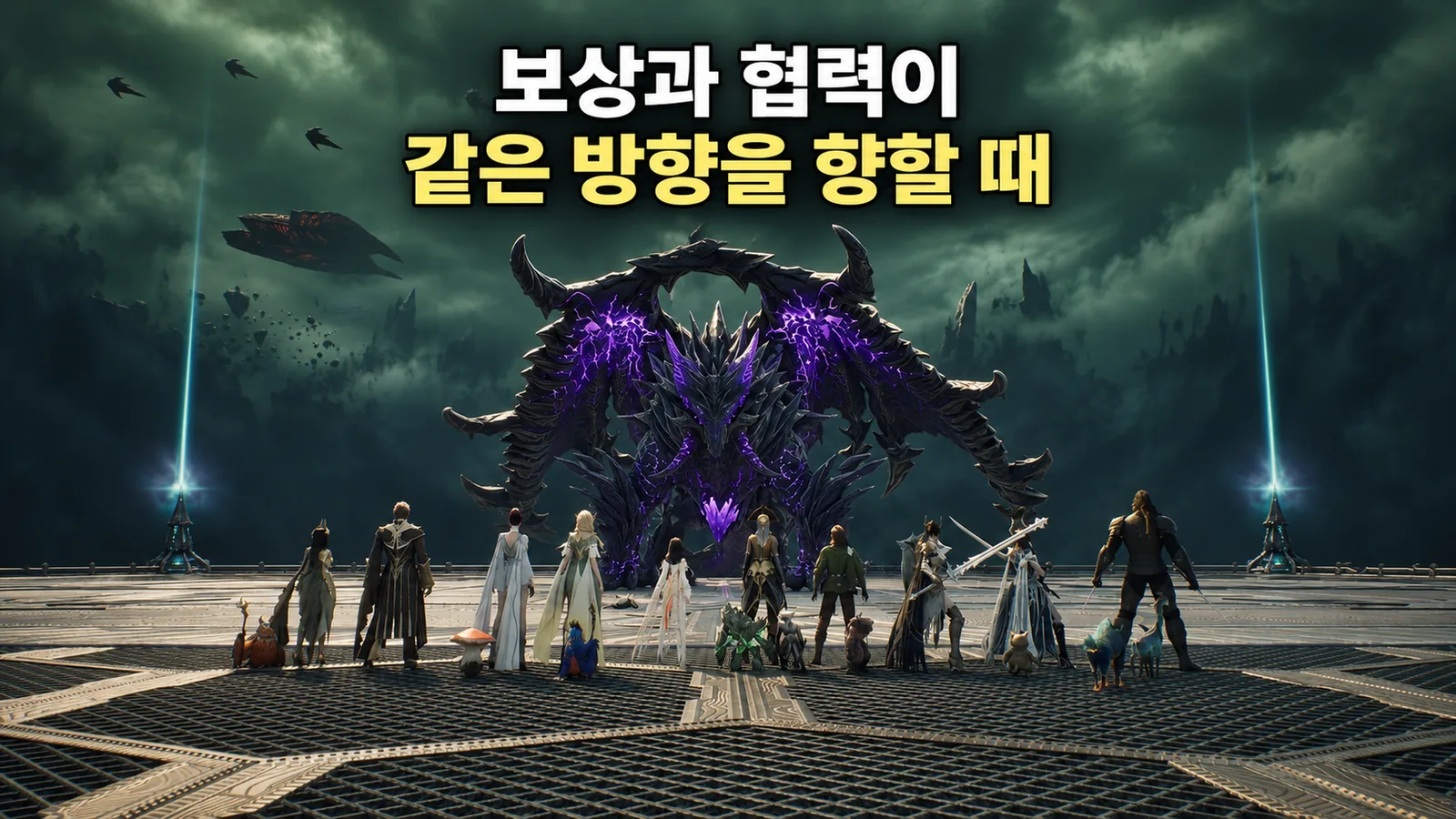
Artifact capture battles combine a group's objective of taking a location with individuals' concerns about contribution and rewards. Following commands to hold off opponents and attacking the immediate objective to secure your own reward do not always involve the same actions.
Imagine a situation where some players need to block enemy entry to hold the line, yet everyone attacks the objective instead. That may look like avoiding a personal loss, but if the line collapses, the group can lose its objective. This is an illustration of conflicting personal incentives and shared goals, not a reconstruction of a particular Munin battle.
It is hard to agree with blaming all such behavior on players' personalities. If people cannot see how necessary cooperative actions benefit them individually, the system can end up demanding sacrifice alone. Players with weaker equipment or less combat experience may also be particularly worried about missing rewards.
Official changes show attempts to adjust this relationship. The August 19, 2026 update increased Abyss boss and Artifact stats and PvP contribution gains, while noting the possibility of further adjustments. However, that alone neither guarantees a particular medal tier for a given action nor proves that the changes subsequently improved cooperation on Munin.
Munin's side reports a sense that more people followed commands after the reward system changed. That impression is worth considering, but the larger point is that securing personal rewards and winning for the server should be encouraged through the same actions. Helping people understand why cooperation pays off is more sustainable than belittling them for caring about rewards.
Lower field-boss turnout does not make an entire server uncooperative
The accounts do not suggest that Munin's war participation is consistent everywhere. Field bosses reportedly attract fewer participants than Artifact capture battles, and some players return to other activities when the opponent is strong. Again, these are participants' observations; an exact participation rate for the whole server has not been established.
These differences should be considered in terms of the time each activity demands and the outcome players expect. Someone who attends capture battles may skip field bosses, while someone unable to sustain a long fight may still attend a scheduled assembly. Assuming that absence from one activity means no willingness to cooperate overlooks the conditions that make participation possible.
Naturally, commanders can feel frustrated if everyone disperses whenever an opponent is even slightly stronger. In that situation, though, it helps to share how far the group will try that day and the conditions for withdrawing, alongside calls to try harder. Victory may be uncertain, but participants can at least estimate the time commitment.
Clear expectations create room for combat enthusiasts and players who also want to complete everyday activities to move together. Server cooperation is less about everyone attending every battle than about understanding what each person can contribute and agreeing on shared goals.
Check a Legion's actual activities before transferring to Munin

Munin may be worth considering if you want to build a sense of belonging through continued shared battles. That does not provide grounds to promise easy rewards or dependable victories. You still need to check whether a Legion's way of operating fits your own play conditions.
Ask first about active hours and how war participation works. Even a PvP-focused recruitment post can describe very different routines: daily open-world fighting or gathering for scheduled capture battles. Also check whether voice chat is mandatory, what equipment is expected and whether newcomers receive an explanation of their role.
Conflict management matters too. How disagreements over rewards or battle results are resolved, and how the group handles days when you cannot attend, become increasingly important over time. Specific operating principles make life after joining easier to anticipate than a general claim of strong friendships.
Transfer eligibility must be checked separately from the server's atmosphere. Consult the official product information for current availability, destination restrictions and which data can be transferred. A past transfer window does not establish that transfers are available now.
Choosing Munin should go beyond asking whether it is beating this opponent. Even if the next opponent is difficult, will the Legion you join offer people to coordinate with and operating rules you can accept? A concrete answer is a far more useful basis for choosing than the server's reputation.
