

If you hit your shots in Deathmatch but fire late in VALORANT Ranked, decide three things before an enemy appears: the first angle you’ll clear, your main and backup agents, and your first job on attack and defense. Pre-aiming the first angle gives you less distance to move your crosshair once an opponent appears. An agent-specific plan gives you one less decision to make about ability timing during the fight.
Pre-aim is to determine the head height and first angle together.
Even if you set the aiming point at head height, if the direction of the enemy is different, you must move significantly to the side after spotting the enemy. Pre-aim is the action of selecting a location where an opponent is likely to appear before turning a corner and sending the aiming point at the height of the opponent's head standing at that location. When checking the top of stairs or scaffolding, the height of the floor there should be used as a guide.
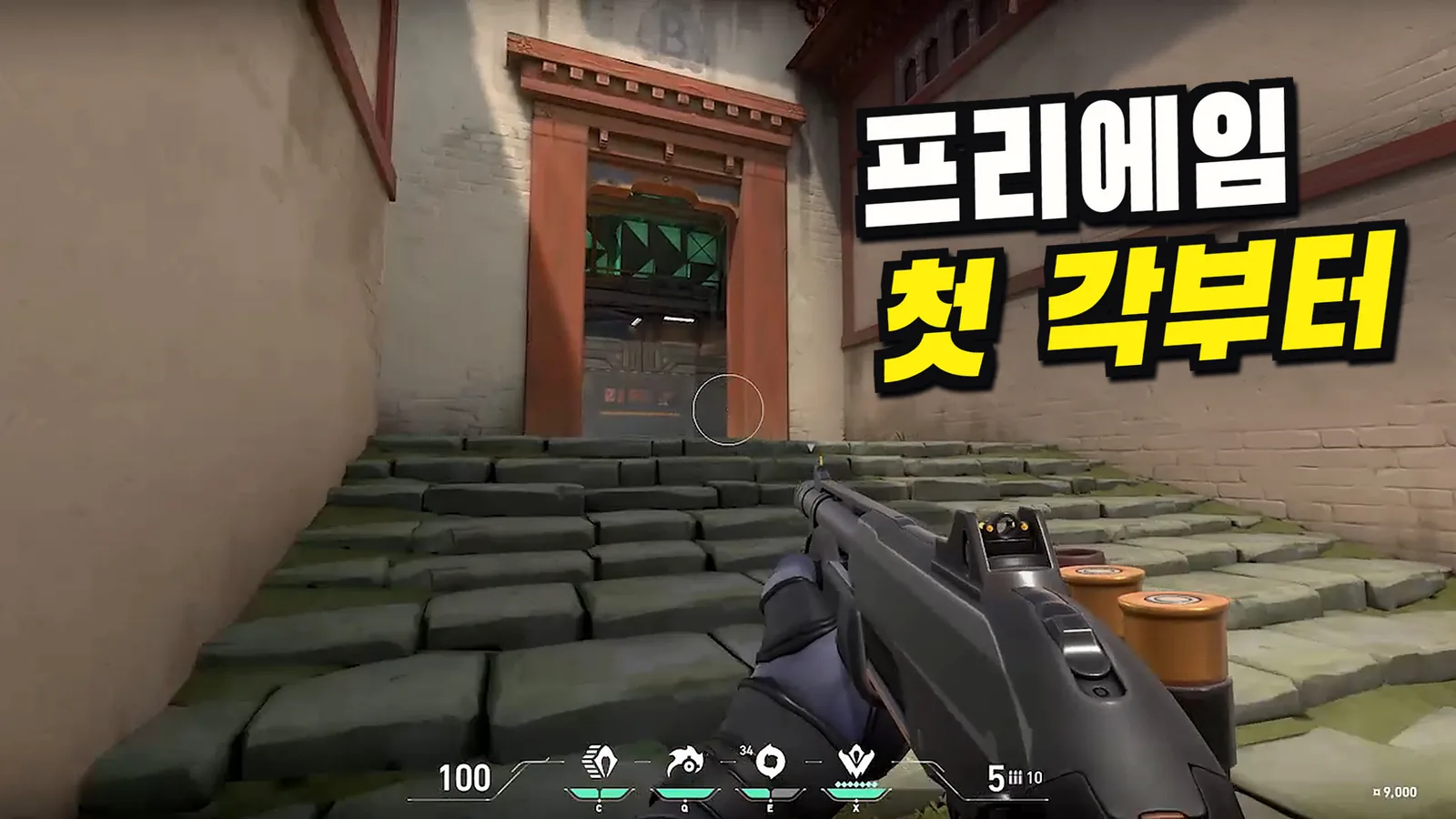
For example, let's say you need to check the door at the end of the stairs during defense, but if you go a little further, a body is revealed in the next passage. While still on the wall, first grab the head height of the enemy standing inside the threshold. Go out as far as you can see the door and check the visibility, and when you see the next passage, move the aiming point and move. If space allows, you can reduce the number of directions revealed at once.
Which side to look at first is decided based on the information the team has obtained. If you just heard footsteps near the door, you have a reason to go there first. If your colleague is looking at the door and the aisle next to you is empty, facing different directions reduces the gap in vision. If both sides are empty and it is difficult to reveal only one direction, you can adjust your team's ability to join or cut off the line of sight.
Distinguish whether the aim was off or the first shot was fast.
If the first shot misses, the replay shows the moment the enemy first appeared and the moment the actual shot was fired. If the aiming point is on a different door or floor just before the enemy appears, try changing the aiming position in the next round. If your aim point was already close to your opponent and you shot the rifle while moving sideways, practice the sequence of stopping and shooting. Even if the mismatch is the same, the movements to practice will be different.
If you get hit from two directions simultaneously as soon as you open the ramp wide, rewind and look from the point where your body is first exposed. Rather than practicing aiming faster from the same spot, finding a position where you can lean out less or blocking one side of your view and deciding on an exit order are directly applicable to the scene. In deathmatch, whenever you pass a corner like this, it becomes clear which moves you want to repeat, even if you just decide where to look first.
Primary and alternate agents are selected based on the same mission
A playbook is a short memo of actions to be used in frequently encountered situations. You start with one primary agent and one alternate, and choose one mission that they can both take on. If you are primarily a Controller, the starting point is ‘obscuring the far view when the team crosses the site entrance.’ Even if you change agents, you'll know what your team needs from the first round.
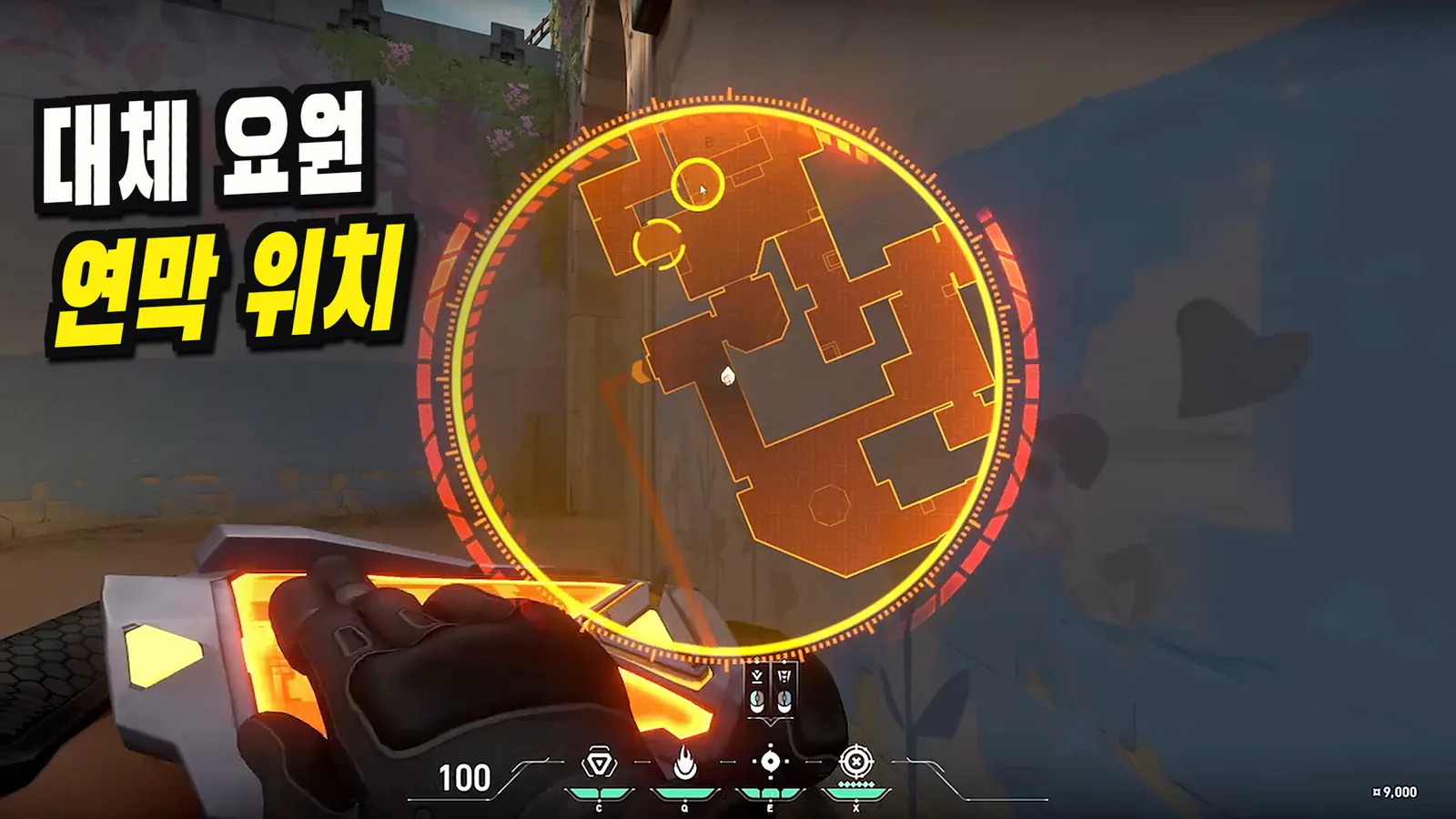
Let's say Omen is the primary agent and Brimstone is the alternate. Omen's Shadow Shroud and Brimstone's Aerial Smoke can both be used to obscure vision. Since the two agents have different methods of designating the smoke screen and different ranges, each agent must learn where to place the smoke screen separately, even if they are blocking the same passage. If you choose Brimstone, check whether the desired passage is within the range of the tactical map from the activation location.
For example, even if you prepare a smoke screen with Omen before reaching the entrance, you need to open the tactical map to see if you can prepare the same at the same location with Brimstone. If you can't reach it, move to the cover near the entrance and note the order of use. Knowing this difference can help you avoid being left behind while traveling with your team.
When a team member selects their primary agent first, they immediately tell them what actions the alternate agent can perform. If you briefly share the information necessary for joining timing, such as “I will put a smoke screen in the back passage when I enter,” it will be easier for your colleagues to adjust their skills and movements. If the team has already decided to block the view, the remaining smoke can be used to block other connectors after entry or to help with installation.
In the first round plan, also include a line of conditions to change.
Before queuing for competitive play, pick a familiar map and write down your attack and defense plan line by line. In attack, I include an opportunity to use my skills, and in defense, I include an opportunity to change the direction and position I will initially defend. Depending on whether you can buy the skill and which side your team starts off with, you can choose which part to apply right away each round.
| situation | first action | A sign to change your plans |
|---|---|---|
| In an attack, the team gathers at one entrance | When the leader is ready to enter, place a smoke screen on the far connector and check behind nearby cover. | If the leader is blocked by enemy skills and is stopped, the timing of the smoke screen is delayed until entry is reestablished. |
| Takes charge of one of the two corridors in defense | I share the direction my colleagues are looking at and take the first angle of the passage I am responsible for. | If I see a spike on the far site, I tell my colleague my information and my intention to move and join them. |
| The primary agent is selected first | As a replacement, you take on the same mission and start in a location where you can place a smoke screen. | If the team has already decided to block that direction, leave a smoke screen and decide which route to use for the next engagement. |
This table assumes no map has been determined. In reality, all you have to do is pick a site that you frequently visit and replace ‘far route’ with the name of the location that connects you to your team members. When attacking, the moment your team's start is pushed back by an enemy's skill or a colleague holding a spike goes the other way is the time to change your plan. If you only hear footsteps from one side during defense, it is still unclear whether the opponent comes in or makes a sound and leaves. If the passage I was in charge of becomes empty, I first notify the team and then move based on more specific signals, such as confirming spikes or requesting to join.
Maintaining the gains you've already made also requires planning.
Let's say you've planted a spike on offense and your team has a man advantage. Even if you win the first engagement, if you immediately follow the defensive route, you can open a new engagement that will be difficult for your teammates to help you with. By being able to see the setup point and remain in position to deal with your teammates, you can move in time for the moment the defense approaches the spike.
Conversely, if your view is cut off or a colleague is pushed out, the reason for continuing to stay in the same position may disappear. At this time, inform the team of the newly opened direction and find a location where the spike can be seen again. If it is difficult to decide whether to move in a round, first think about ‘what visibility will the team lose if you leave now?’
Choose one item from each game and repeat it.
There is no need to record pre-aim, agent selection, and skill timing all on the first day. For example, if we only look at the timing of the smoke screen in this game, we look back at just one scene to see where the leader was when the smoke screen was deployed. If your colleagues are still waiting at the entrance, they will receive the departure signal next time. If the smoke screen is late and your colleagues are already exposed, secure a position where you can use the skill as soon as you hear that the team is ready.
The replay starts right before the enemy is first seen from your perspective. Since the enemy location displayed on the spectator screen is not information that was known to all players at the time, it is judged based on the location shared by the opponent or teammate that was seen in person at the time. You can bookmark moments you want to remember during the game. On PC, you can specify shortcuts in Settings → Controls → Interface → Replay Bookmarks, and on consoles, add them in the options menu during a match.
If you hit the queue again immediately after a losing streak, try to recall in one sentence the action you just decided to take for the game. If all you remember is how many rank points you lost, take a short break, pick a move to practice for the next round, and then start. Your first attempt is simple. Pick a passage you frequent often, set your sights on the first angle you see around that corner, and head out.
