

You can read the boss’s next move, keep all five Nikkes alive, and still finish well down the leaderboard. NIKKE’s fourth-anniversary Solo Raid made that gap easy to see. The boss, Goddess of Victory, had the Wind code and was weak to Fire. Two new Fire DPS units, Marian: Queen and Scarlet: Goddeath, had just joined the roster. Exploiting the weakness was easier, and your squad was competing against others with the same advantage.
Japan’s leaderboard shows how high the scores went. IKKEN, which tracks the thresholds for Solo Raid ranking tiers, recorded 35.631 billion damage for the top 3% at the end of Season 43. The prior season’s cutoff for the same server and tier was 26.933 billion. The boss also changed, so the 8.698-billion increase can’t be attributed to the two new Nikkes alone. A score of 27 billion would have cleared the previous cutoff and finished more than 8.6 billion short in Season 43.
Dark Matter: When to take cover and when to keep firing
Season 43 ran from noon on November 12 to 4:59:59 a.m. on November 19 (UTC+9). Start by learning the boss’s two Dark Matter attacks. When it fires Dark Matter at the entire squad, take cover to avoid the damage. When it charges a Dark Matter explosion, aim at the interruption targets to stop it. One tells you to stop firing, the other tells you to change targets and keep shooting.
The interruption targets behind the barrier required Fire attacks. That made Fire useful beyond the damage bonus. Stacking your Fire DPS in one squad could leave the others with no way to hit those targets. When building five squads, check that each one has a Nikke who can shoot through the barrier. Then allocate the rest of your Fire DPS around the buffs they benefit from and how their weapons work.
Where a run fell apart can tell you what to change. If the squad had plenty of HP until it went down all at once, check whether you hit the interruption targets in time before adding a healer. If you consistently interrupted the attack but couldn’t survive a late teamwide hit, look at your cover timing and healing. Both runs end on the same screen, but they call for different changes.
When Marian: Queen and Rapi target the same core
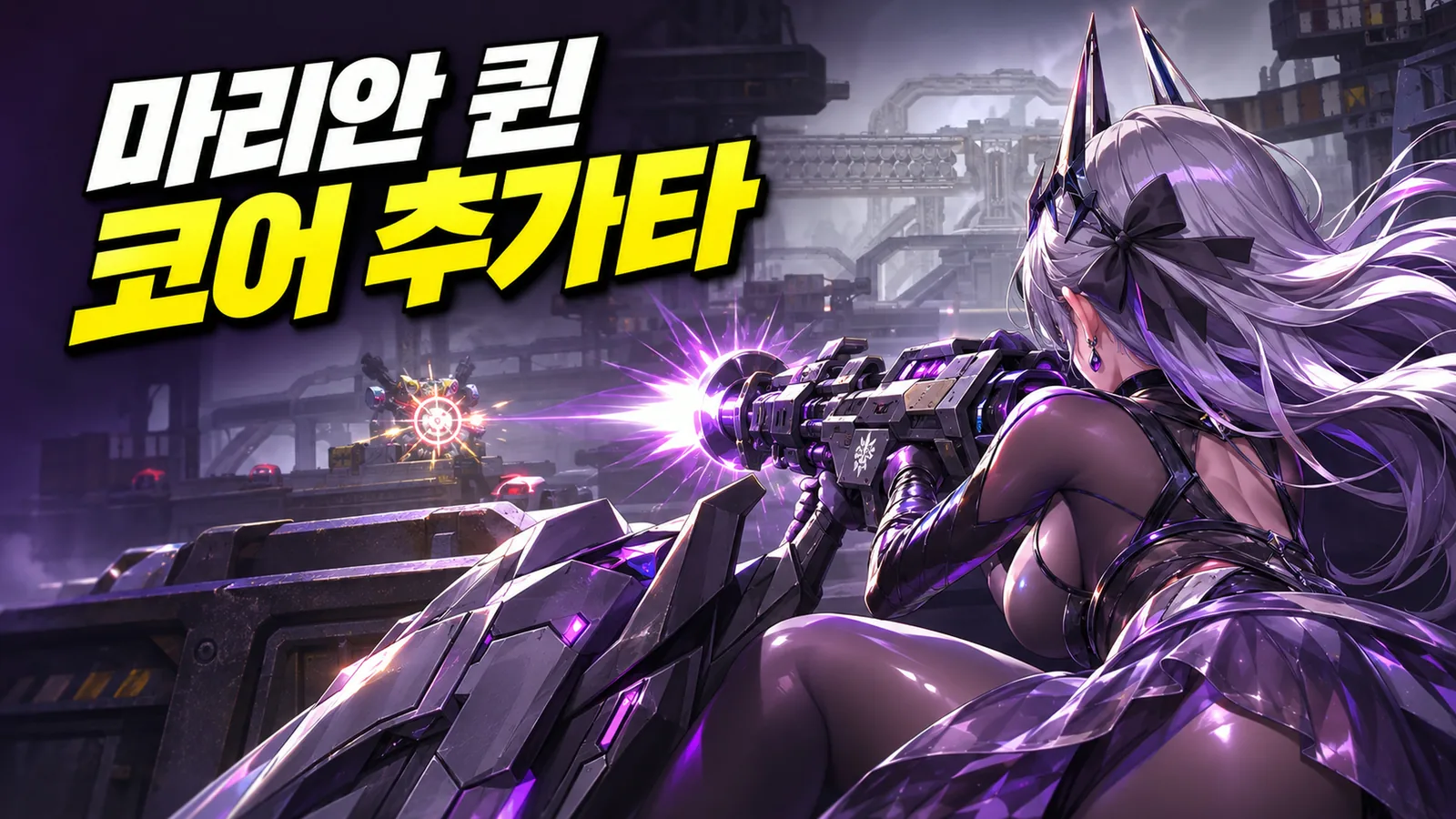
Season 43 gave Fire machine gunners Marian: Queen and Rapi: Red Hood plenty of chances to sustain fire on the core, a weak point that takes extra damage when hit. For rapid-fire Nikkes, time on target is part of their damage output. Every interruption target that pulls your aim away and every stretch in cover means fewer rounds into the core.
Marian’s skill text mentions core hit damage for a separate effect. Her Dark Matter Spear applies Weakness Exposure. During her Burst, every two normal attacks trigger additional core hit damage against enemies affected by Weakness Exposure. That’s a status Marian applies to an enemy. It doesn’t create a new core for you to aim at.
When the core is easy to aim at, Rapi and Marian both benefit on their normal shots. Their Season 43 scores are a limited guide to how they’ll compare against a boss with a harder core to hit. Marian adds a separate hit during her Burst, and the rounds you fire at the core still contribute their own damage.
Marian also refills 100% of her ammunition when she uses her Burst. If your magazine is nearly empty when Burst III comes up, picking Marian lets her keep firing. If another Nikke uses Burst, Marian’s ammo stays where it was and her reload comes at a different point. Even two runs with the same DPS units can have different core uptime depending on who used Burst on each rotation.
How Scarlet: Goddeath’s big hit can move a personal best
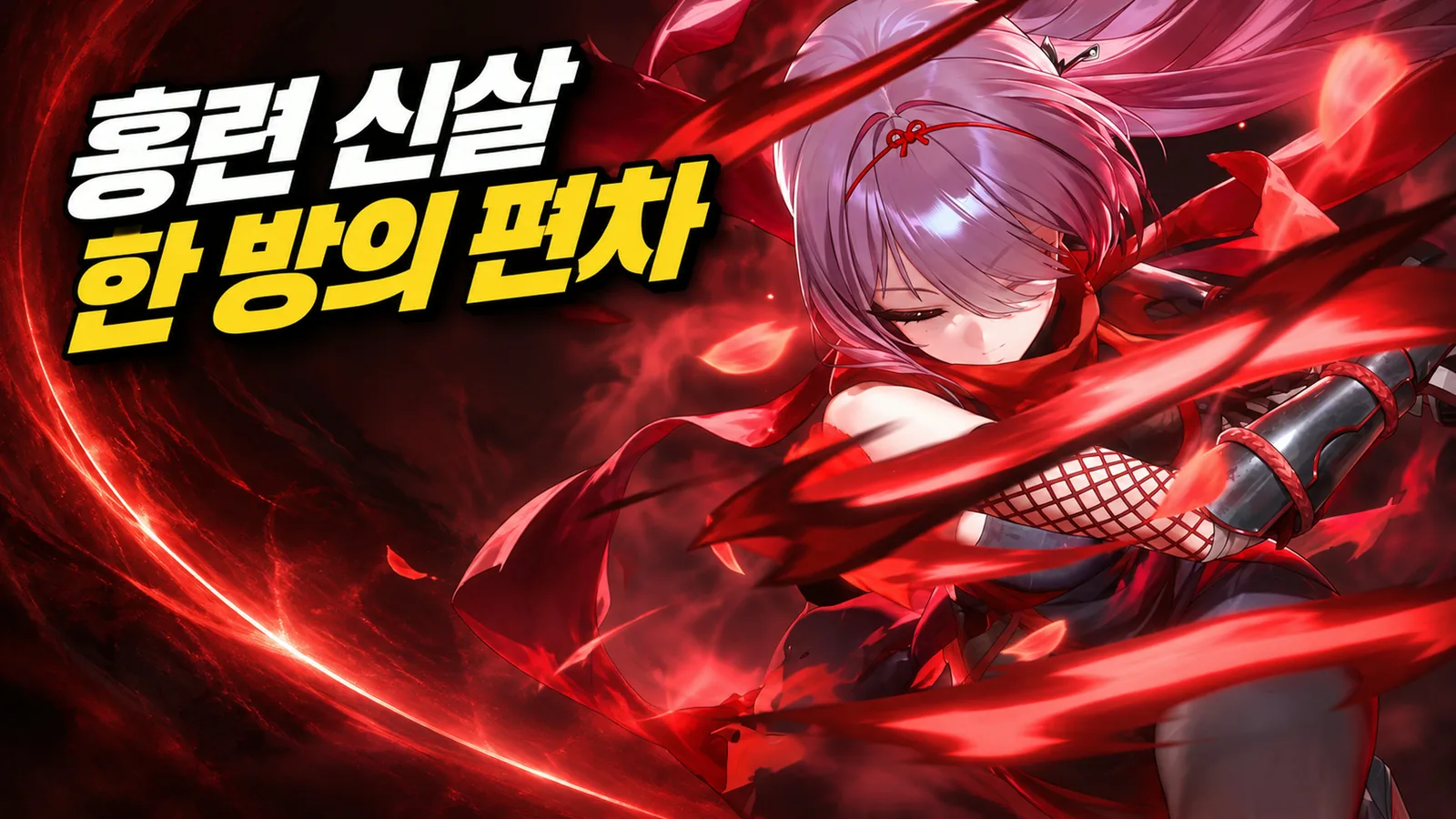
Scarlet: Goddeath is also Fire and Burst III, but a different part of her kit stands out on the scoreboard. Her Burst buffs her and deals a large instance of additional damage to the enemy closest to her crosshair. At skill level 10, that hit scales at 3,000% of final ATK. With a multiplier that large, a critical hit can move the run’s score noticeably.
Scarlet also has an effect that supports critical hits on normal attacks. “Normal attacks” is the scope to watch in the description. Their higher crit chance doesn’t guarantee that the separate Burst hit will crit. When you review a Scarlet run, look at the big hit separately from her regular shots.
Decide how much you want to retry. If all five squads already finish and you’re fighting for a few places, a run where the big hit crits can be valuable. If you’re deciding between two supports for Scarlet, a lucky run can skew a comparison of personal bests. Try each lineup the same number of times, compare a result near the middle, and check that they fired the same number of Bursts.
Yukiko’s healing can free up a slot elsewhere
More Fire options can change how you distribute roles. Persona crossover Nikke Yukiko Amagi fires a Fire machine gun and periodically heals the whole team. Her Burst strengthens both damage and healing. Because she fills two roles, her personal damage total captures only part of what she gives the team.
Suppose two squads each lose one member late in the fight. If Yukiko lets the first finish without a dedicated healer, you can move that healer to the second squad. The first score might barely change, while the second gets to use its final Burst. The bigger gain shows up on the scoreboard of the squad Yukiko never joined.
If you don’t own Yukiko, start by assigning Fire interruptions and recovery after teamwide hits within the squads you already use. A team with enough healing can add pure damage. A team that keeps losing the last exchange may benefit more from a way to survive it. The right fit depends on the other four members.
Which two scores to check across your five squads
Solo Raid Challenge rankings use cumulative damage across squads. When you move a support, compare the score of the squad gaining that support with the one giving them up. If the other three squads stay the same and the first gains 600 million while the fourth loses 900 million, your total drops by 300 million. A screenshot of your best squad can look better while your ranked score goes down.
Write a short note beside each damage total. If the 900-million loss came after a failed interruption, revisit who handles the Fire check. If everyone lived but you used one fewer Burst, look at gauge generation and the skill rotation. Once both squads run to the end with the same Burst count, it’s easier to compare changes like core aim or whether the big hit crit.
Season 43 showed what can happen when you keep giving your best support to a squad that already does its job, and another squad misses an entire final Burst. When you move one Nikke, compare the team where they can post the biggest number with the team they can keep attacking for one more rotation.
