

For new or returning MapleStory players, a boss screen can feel more confusing than a class description: you must judge when to attack, dodge, and reuse skills at once. Lethe is worth considering for how summons change the actions you personally need to manage.
Convenient farming does not automatically mean cheaper equipment or superior boss damage. Lethe still needs summon buffs, commands, and targeting. Understanding which tasks become easier and which decisions remain makes the recommendation more useful.
Lethe is an INT-based demon summoner wielding a Carta
Lethe was added to the Korean server on June 18, 2026. She uses INT and the exclusive Carta weapon, and sets out from Masteria to recover her scattered summons. Combat reflects that premise: she commands multiple creatures rather than repeatedly striking alone. The dates and skill changes below refer to Korea, not a promise of identical regional availability.
You do not manage the entire roster immediately. Job advancements introduce functions associated with Fell, Vargar, and the Templars, along with ways to strengthen their attacks. Learn how those roles connect instead of judging the final playstyle from a brief early-level sample.
Group skills by purpose before memorizing every name. Invoke summons, Scatter and Converge manage positions and targets, and Impel strengthens the creatures. Edict and Overload functions issue attack orders. Automatic attacks form the base, with your direct commands layered on top.
Automatic attacks remove only part of the repeated input
Beginners learn controls and game systems simultaneously. When upgrades, skill windows, and boss attacks are all unfamiliar, a demanding class makes it harder to tell whether failure came from missed inputs or staying in danger.
Lethe separates the character's movement from the summons doing the attacking. This can reduce constant attack input and leave attention for other things on screen, including learning unfamiliar patterns. That spare attention is a meaningful advantage for new and returning players.
Dodging alone does not produce optimal damage. Summon targets, buff usage, and command timing still change the result. Automatic attacking and properly executed performance are not synonyms. Her beginner appeal is in separating learning tasks, not removing them.
For farming, check Scatter and actual summon routes
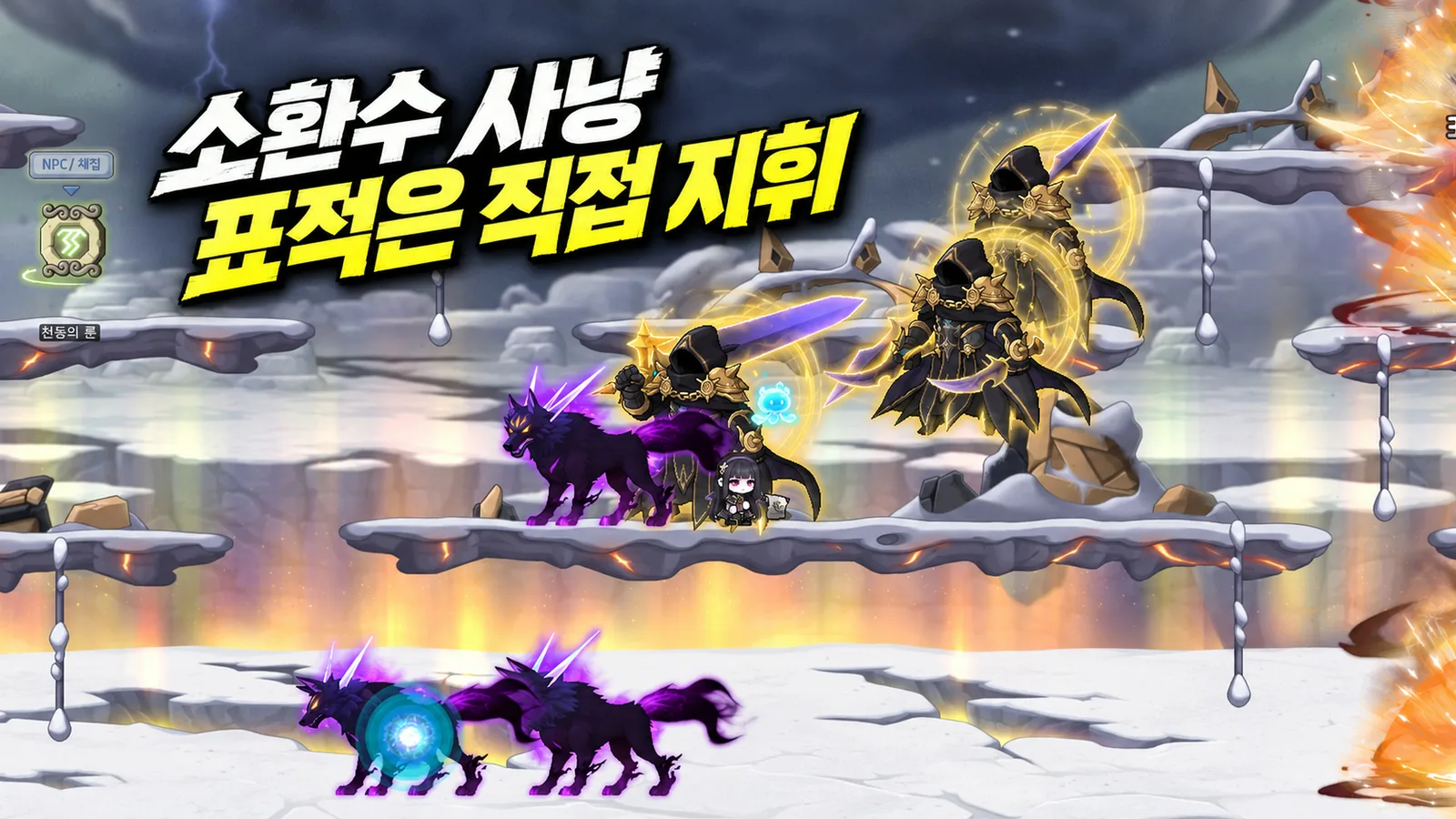
Scatter spreads summons out to fight, whereas Converge designates a priority target. The unfamiliar names describe a familiar distinction: covering dispersed normal enemies versus focusing one opponent.
Wide-looking effects do not establish comfortable farming. Summons may favor some platforms and leave gaps even on the same map. Watch where monsters repeatedly remain and how much movement is needed to cover those gaps; that determines your real repeated input.
One-hit kills matter too. Easy target coverage will not provide the expected clear speed if each monster needs several attacks. Separate convenience from class structure and kill speed from gear and progression. Comparing another player's finished setup with a fresh character obscures that difference.
Loot collection is another issue: covering the map with attacks does not collect drops. Efficient kills do not make extra collection tools mandatory from day one. See how movement and looting overlap on your target map, then spend only to address an actual inconvenience.
Learn targeting and movement keys first for bosses
Converge becomes important for designating your boss target. Do not rely merely on having summons out: check their target and what happens after the boss moves. Add Impel and commands as you learn the fight.
Lethe has Teleport, an upward jump, diagonal teleportation, and Levitate to slow falling in midair. These are useful, but more movement tools do not automatically make dodging easy. Know where an input actually places you before using it against a pattern.
The Korean September 17 adjustment added an option to lock Oblique Teleport's link with Teleport and use a separate key. If accidental diagonal movement is troublesome, separate the inputs while learning. Such bindings can help a beginner more directly than another damage statistic.
Trying to execute every attack perfectly from the beginning mixes rotation practice with dodging. First distinguish survival movement from concentrated attack windows, then improve command uptime. Use the summon structure to reduce simultaneous demands rather than skip attack timing altogether.
Budget equipment separately from convenience
Comfortable controls and clearing a target boss quickly on a fixed budget are separate questions. Simpler-feeling execution does not remove equipment or upgrade costs. Convenient farming alone does not justify a large purchase.
Compare INT equipment and Carta weapons. Even items in the same named tier can have different potentials, upgrades, and trade restrictions, changing the starting cost. Returning players should first separate reusable equipment from what must be acquired anew.
Keep resale expectations separate from the purchase budget. A popular class and many listings do not guarantee an immediate sale at your desired price. Buying expensive gear with a fixed resale assumption can increase the cost of quitting or switching characters.
At the start, ask whether you kill reliably on the current map and whether your target boss attempt lacks survival or damage. Dying because dodges are unfamiliar requires a different solution from timing out for lack of damage. Making that distinction while learning can prevent unnecessary spending.
Separate Challenger benefits from the class itself
Recommendations often combine class performance with growth events. Fast leveling through temporary support and comfortable everyday play afterward are different benefits. Decide whether you enjoy summoning and commanding so the choice still makes sense after the event.
Korea's summer Challenger World Season 4 leveling period ended before maintenance on September 17, 2026. Its rewards and world-transfer terms cannot simply be assumed for the coming winter or another region. Fast past progression may reflect that support rather than Lethe's inherent speed.
Set a concrete event goal too: a long-term main and a trial character for testing summons warrant different investment. Plan far enough to learn farming and boss movement before purchasing final equipment. That keeps class evaluation and resource spending under control together.
The final question is whether this kind of convenience suits you
If you enjoy summons doing the fighting and want less continuous attack input while learning boss patterns, Lethe is a plausible choice. Accepting the movement and targeting you still need to learn lets you use that advantage more deliberately.
If direct control and repeated strikes are your favorite part, summon-and-command combat may feel less engaging. Lower input demands are convenient, but the judgment changes when those inputs are themselves the fun.
Rather than asking whether Lethe is the easiest class, ask where you want to spend the attention saved from repetition. If it is on improving farm routes and reading unfamiliar bosses, she deserves consideration as a new or returning character.
