

Archived Korean event analysis · About these guides
Korea’s Kazeros Raid Act 3 Extreme Nightmare controversy centered on difficulty and class disparities. Director Jeon Jae-hak acknowledged that the encounter exceeded the intended benchmark, followed by a reduction to Mordum’s HP and selected class buffs.
Understanding the controversy requires looking at its limited availability and class-specific encounter conditions as well as raw difficulty. This retrospective separates confirmed changes from analysis of why the design caused frustration. Act 3 Extreme ended before Korea’s October 21, 2026 maintenance.
What was the controversy about?

Kazeros Raid Act 3 Extreme was a limited-time version of the original final-gate encounter with revised patterns and difficulty. It offered Normal, Hard, and Nightmare. Nightmare required eight players at item level 1780 or above and allowed no revivals, unlike Normal and Hard. These were Korean event rules.
Strict requirements are not inherently wrong for a highest difficulty. The important test is whether players with suitable gear and enough practice can make a reasonable attempt on the class they chose.
Why Mordum Extreme’s difficulty became a problem
Requirements exceeded the developers’ own target
The director explained that Nightmare’s HP, mastery demands, and Mordum’s encounter design combined to exceed expectations. Extreme was meant to provide a separate prestige challenge while allowing ordinary raids to become less demanding to repeat.
Difficulty needs to leave players able to understand failure. A late reaction or missed damage window gives you something to improve. If the raid still lacks damage after successful execution, it becomes harder to know whether the answer is practice or more progression.
Higher HP can mean repeating the same patterns for longer, extending concentration demands and increasing the chance of accumulated mistakes. An HP adjustment therefore changes more than clear time: it changes the available margin for mistakes and lost attacks.
A limited event window adds time pressure
Act 3 Extreme and the finale Extreme were each announced as four-week events.
That changes the meaning of a failed attempt. A permanent raid leaves room to upgrade or find another group next week. In a limited event, every delay uses some of the remaining opportunity.
This is an analysis of the format, not measured recruitment data. As an event closes, groups may select more strictly for experience and composition, and practice time can become compressed. A focused challenge can be exciting at an appropriate level; excessive requirements can turn it into pressure and fatigue.
Why class balance becomes a question of character investment
Practical damage depends on more than damage coefficients
Boss movement, usable attack time, risk during skill setup, and positional restrictions all affect raid performance alongside a skill’s base numbers.
A class with a long setup before its main hit can face different demands from one dealing damage in shorter actions when a boss moves frequently. Equal gear does not guarantee equal access to attack windows.
A balance review needs to examine why damage is lost in specific encounters as well as averages. A numerical adjustment and a change to skills or boss patterns solve different kinds of problems.
When your class affects access to the challenge
The director acknowledged that class advantages and disadvantages were affecting clear outcomes and apologized to players attached to their characters.
That helps explain the strength of the reaction. An RPG character represents accumulated gear, practice, and personal preference. Moving to another class because of an unfavorable encounter costs time and resources.
Groups seeking a higher clear chance may prefer certain compositions. If that becomes widespread, some classes can struggle to join a group before they even get to learn the fight. This describes a possible effect of class disparities, not a survey of actual party listings.
What the Mordum nerf and class buffs changed
Korea’s October 3 maintenance reduced Mordum’s HP in Extreme Nightmare and increased selected PvE damage values. Examples included Pistoleer Deadeye at 6%, both Barrage Enhancement and Firepower Enhancement Artillerist at 5%, and Rage Hammer Destroyer at 4%. No specific boss HP reduction percentage was published.
The two compensation groups had separate eligibility rules. Rosters with a Nightmare clear before that maintenance received an item granting 500,000 character-bound gold. Rosters that had entered from September 23 through the October 2 director letter’s publication at 7:05 p.m. KST received 30 Splendid Battle Item Selection Chests. These were historical Korean grants, not current rewards available to everyone.
Lower boss HP eases the raid-wide damage check; class buffs improve individual performance. Neither the existence of a patch nor its percentages alone proves all practical class gaps disappeared. That requires post-adjustment encounter results.
Why changing difficulty after release creates another dilemma
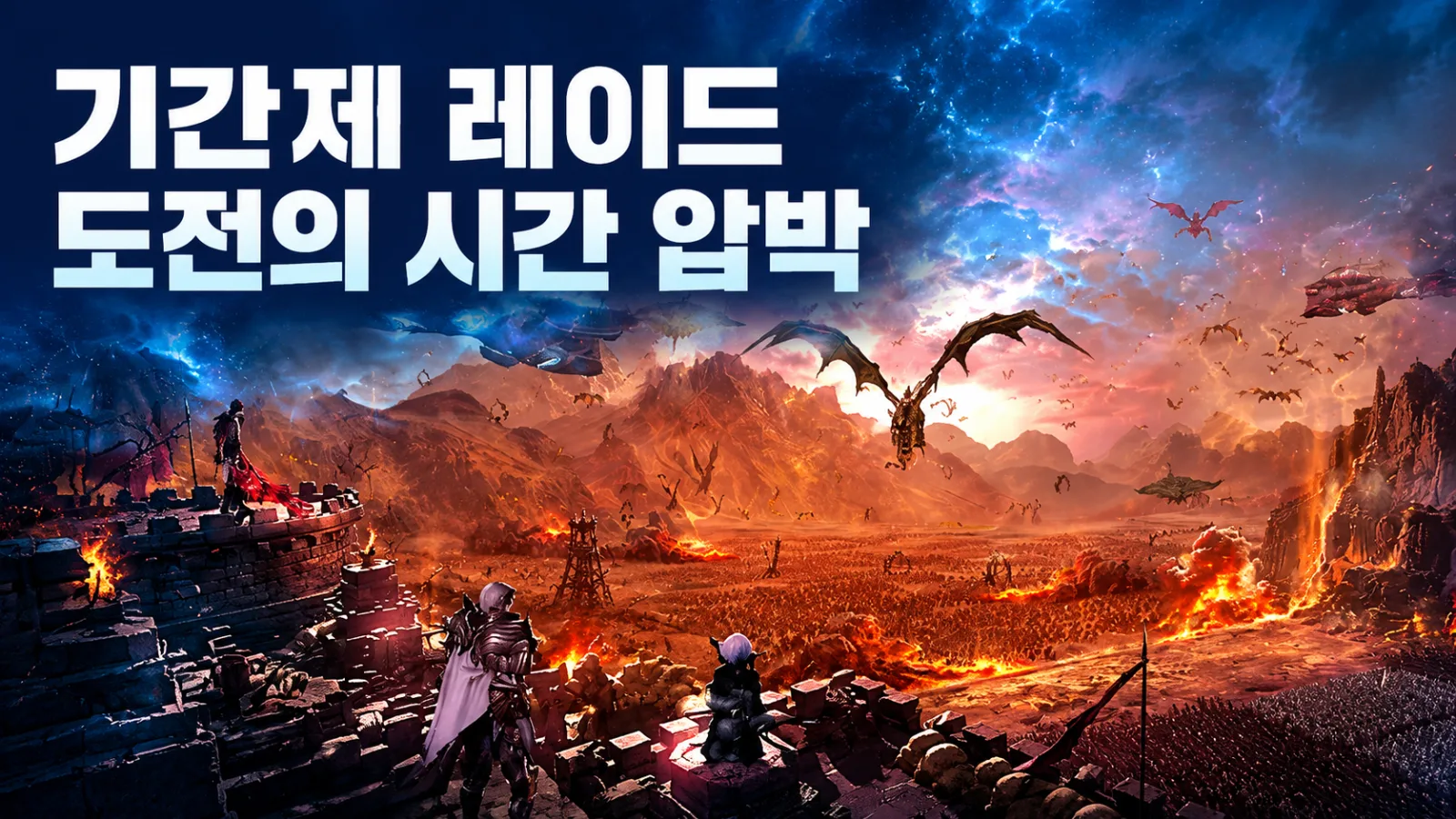
An adjustment gives struggling players another opportunity, while earlier clearers can feel that the conditions defining their achievement have changed after a major time commitment.
In prestige-focused content, the conditions of a clear can matter as much as the reward. Gold cannot fully represent that experience. Yet preserving earlier achievement is not a sufficient reason to leave an acknowledged design error in place.
Clear reasons and benchmarks help resolve that tension: what exceeded expectations, and why did HP and class performance each need changing? Those explanations make the decision easier to assess.
What this example suggests for future content
Three design priorities follow from this case.
First, clarify the reward relationship between farming and prestige challenges. If opting out creates a large progression disadvantage, calling the mode optional will not remove the pressure.
Second, test whether different classes can perform within actual boss patterns. Attack access and survival demands matter alongside average performance.
Third, include response time in limited-event planning. A week consumes a different share of the available opportunity in a short event than in permanent content. Clear adjustment criteria reduce uncertainty when a problem is identified.
These are editorial conclusions from the case, not confirmed additional patch plans.
Mordum controversy FAQ
Was all of Mordum Extreme nerfed?
The confirmed HP change targeted Mordum in Act 3 Extreme Nightmare. That notice should not be treated as evidence that Normal and Hard received the same HP reduction.
Does this mean Lost Ark as a whole failed?
A specific raid-design problem and the game’s overall performance are different questions. This incident alone does not establish population losses or the condition of the entire service.
Was lowering HP enough?
It reduced the damage burden, but whether class-specific encounter conditions and access to parties improved needs separate evaluation.
Lost Ark benefits from preserving both a reason to attempt a challenge and confidence that an attempt is worthwhile. Difficult raids stay rewarding when practice lets players advance on the characters they enjoy.