

The most important question about Lost Ark Part 2 does not end with how much existing equipment is preserved. It also asks what stronger characters can do next, and whether that process makes you want to log in again. Preserved numbers alone cannot sustain satisfaction without worthwhile goals. This article discusses announced plans for the Korean service, not a confirmed Western release schedule.
Director Lee Byung-tak's direction is to carry existing investment into a new system while creating growth motivation through solo content and differentiated rewards. There is promise and a potential burden. Recognizing more-developed characters is useful; making everyone develop more characters and play longer is a different outcome.
Progression transfer matters through the gap that remains
Simply saying progression transfers cannot remove every concern. Even if good gear receives high transferred values, its perceived value can fall if stronger replacements arrive immediately or similar strength becomes much cheaper. Transfer and its useful lifespan must be considered together.
The November 6 policy addressed this more concretely: effort, cost, and attempt counts needed to close existing progression gaps would remain comparable in the new structure, and transferred progression systems would last at least a year. The idea is slot-linked development rather than immediate replacement with new items.
Not every item becomes the new maximum. Top-level bracelets are to transfer at a top level, while accessories with three high-tier effects transfer strongly but below the new ceiling. Preserving investment and leaving no room for new growth are different promises.
New farming elements and additional slots were also announced, preserving past spending while creating separate future growth. “No reset” therefore does not mean “no further cost.” Transfer values, new costs, and intermediate rewards are all needed to judge the experience. Further explanation with UI and tables was announced for November 20.
Stronger characters need more worthwhile challenges
As development costs rise, finishing the same activity slightly faster may not justify the next step. If desired raids are already comfortable, further growth can become numerical alone. Choosing not to grow may reflect a lack of goals worth the extra cost, rather than abandoning fun.
The developers described two motivations: more content to challenge as you grow, and clearer reward differences by progression level. Both may encourage material use, but one comes from wanting a new activity, the other from receiving more for growth.
Both are needed. Rewards alone can turn content into revenue chores, while new challenges with poor returns can make invested time and cost feel empty. Growth should overcome an old obstacle and connect the result to another goal.
Intermediate goals are especially important. Players need achievement before the hardest raid. For newcomers and steady mid-tier players, a step achievable this week can motivate more directly than a top player's distant objective.
How solo content can broaden progression goals
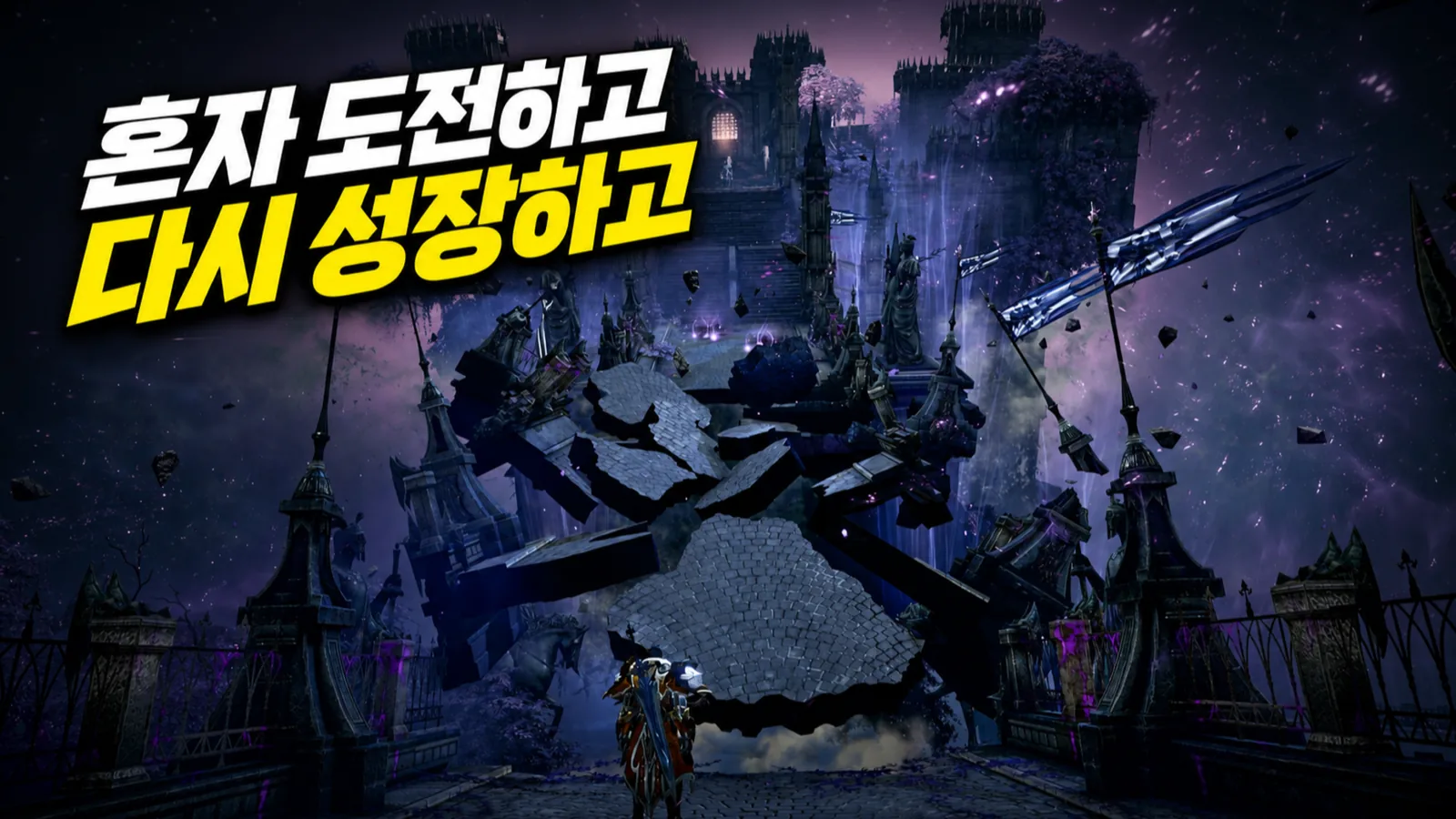
Using solo content fits this concern. Raising party-raid difficulty makes failure affect everyone's schedules and time, which can return as stricter recruitment and participation requirements.
Solo challenges are more flexible. Players can practice or improve and retry later, choosing when to stop. Less pressure from keeping others waiting creates room for higher personal targets. They also help show the difference made by character progression and execution.
This does not mean turning Lost Ark into a single-player game. The developers said party raids remain central and party Nightmare rewards are also to improve. Solo content is an additional axis alongside raids, intended to lead stronger characters into higher party challenges.
For that to work, solo content needs its own fun. Another prerequisite chore does not feel like a wider choice. Convenient retries, visible before-and-after progress, and self-paced goals are what make the format useful.
Reward differences change both satisfaction and entry pressure
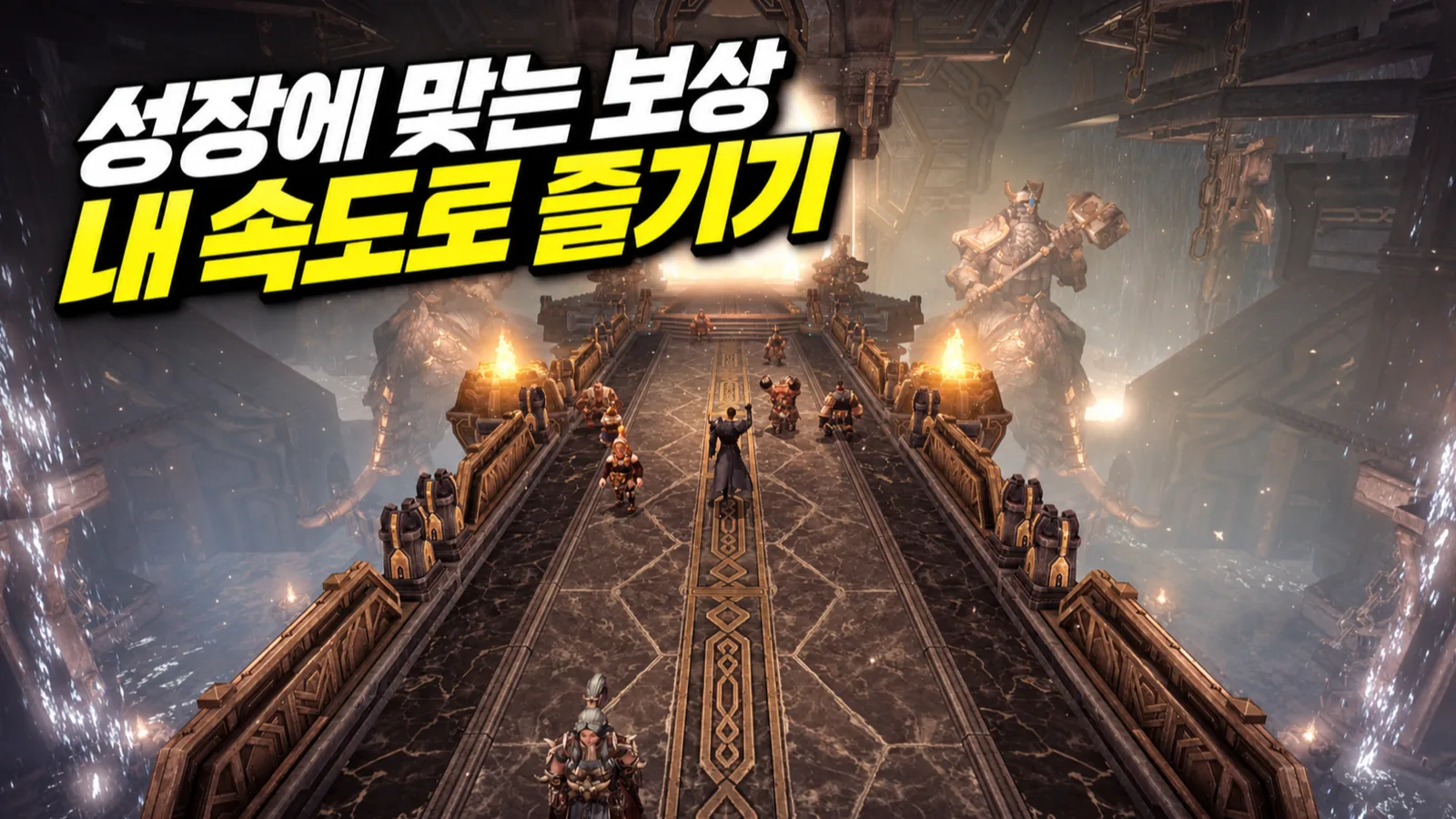
Differentiation is not intended only for the highest content. Everyday activities are also planned to reflect progression more clearly, through reward value, quantities, bound status, and proportions.
Receiving more for the same time on a stronger character can make development tangible during ordinary play as well as difficult challenges. As a reason for further investment, the direction is consistent.
It does not automatically improve the economy. Increased production at high progression levels interacts with new resource sinks. Bound currency can indirectly affect tradable gold flows by replacing spending that otherwise used it. Untradable does not mean economically irrelevant.
Look at satisfaction at each tier. Mid-tier players need manageable next goals, while expensive top-end investment should yield distinct achievement. Making lower-tier play frustrating to push people upward can feel like pressure before motivation.
How bound gold beyond six characters may change choices
Part 2 plans allow characters not designated for gold earnings to receive end-content gold, entirely bound. The change to the commonly discussed six-character limit includes that condition. It is not an announcement of identical tradable gold for every character.
Players already enjoying many characters may gain a reason to develop extras because previously unrewarded play can support that character. Efficiency-focused players may instead need to recalculate which characters receive gold-earner designation.
Bound gold alone does not prove creating more characters is worthwhile. Setup costs, weekly playtime, actual rewards, and permitted uses must fit together. Being able to earn a reward differs from wanting to spend time earning it.
A good outcome rewards people who enjoy varied characters without making everyone else feel penalized for stopping at fewer. The key is continued progression within a roster size you actually enjoy.
Judge multiple critical hits and World Bosses by the same standard
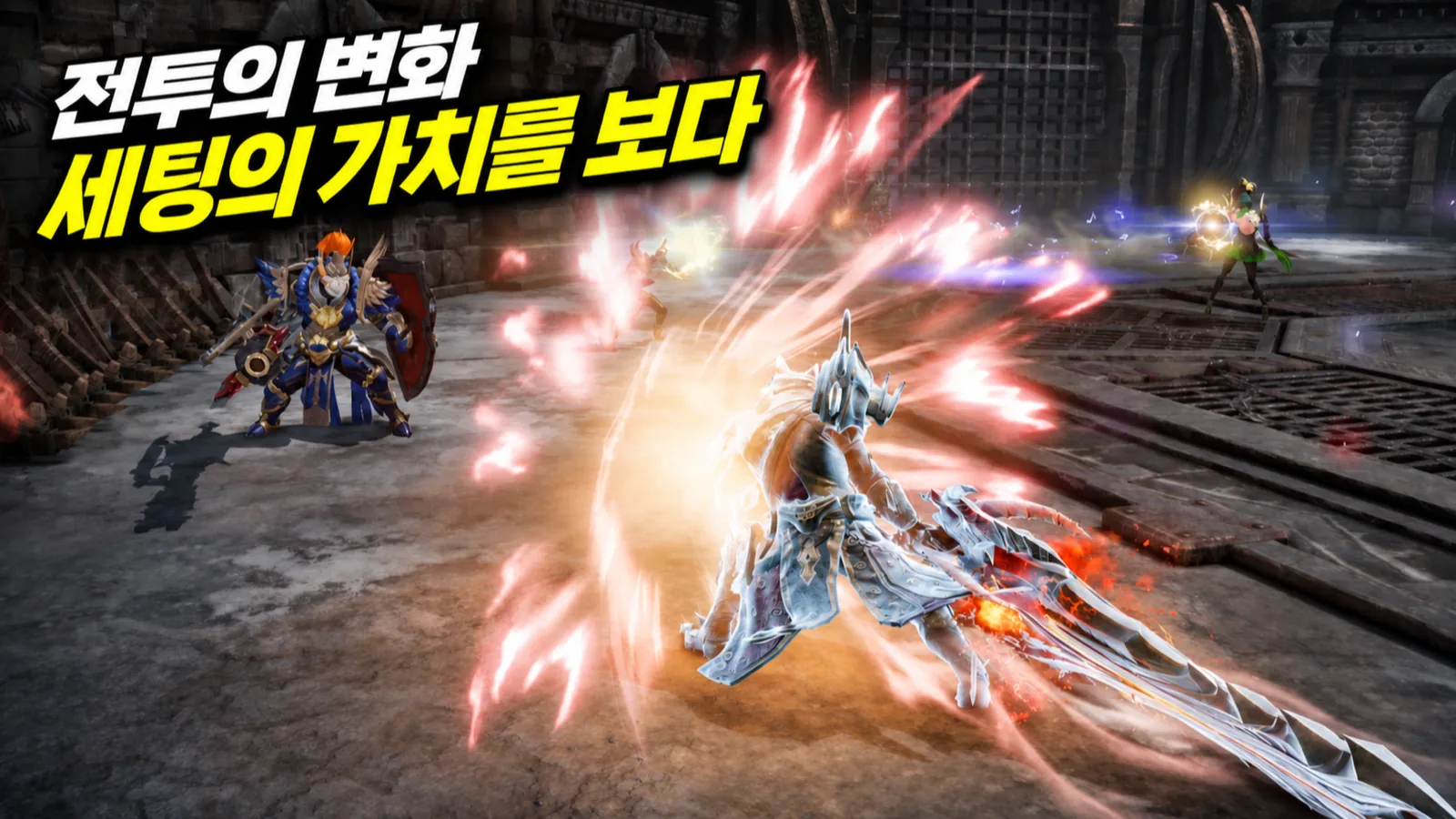
Multiple critical hits are intended to address wasted critical chance above 100% within the critical system. Rather than simply converting excess into generic damage, the plan preserves the meaning of critical damage and related builds. Introduction and linked balance changes were announced for November 18.
Intent alone cannot show every class benefits. Critical chance, damage composition, and synergies can change the experience, and the team also promised class-gap adjustments. Look beyond larger numbers to whether existing setups retain value and meaningful party roles.
World Bosses were described as team competitions entered by applying at designated locations. An option assigns parties whose leaders share a guild to the same team. The aim is to provide guild participation while retaining ordinary random matching.
That suggests another stage on which to use stronger characters together. If both solo goals and group competition become mandatory reward schedules, however, choice can narrow. Each activity needs a clear source of enjoyment and a distinct role.
The hoped-for Part 2 change goes beyond preserving values to making their use concrete. Judge the overhaul by whether it makes you want to choose another goal, not by the number of new spending opportunities. Stronger players need clear achievement, while self-paced players need reasons to continue. Both experiences must work for progression to remain meaningful.
