

Before mastering impressive spray control, CS2 beginners should learn when to stop and shoot, how to buy with the team, and when to use utility before a fight. If shots miss despite your crosshair being on target, or you keep dying alone with a good rifle, start here. Many mistakes involve more than raw aim.
The same principle applies to improving overall: the question is whether you can start an engagement with an advantage and let teammates build on it, rather than how many advanced tricks you know. The bomb-defusal modes in Competitive and Premier make the purpose of these fundamentals clear.
Getting kills and winning rounds are different goals
On the T side, the objective centers on planting and detonating the bomb. CTs must prevent the plant or defuse it. Eliminations matter, but after a plant, killing every opponent does not finish the CTs' job: there must still be time to defuse.
A kill does not always mean a good decision. Chasing opponents away from a planted bomb can allow a defuse. Conversely, smoking an approach to buy a teammate time to plant can win the round without a kill.
Damage is useful information, but it does not measure the entire value of a play. Dealing damage and helping secure a win are separate things. Alongside how much you hit, ask what the team could do after the engagement.
Counter-strafing means learning to stop before shooting
Rifles lose accuracy while moving, and releasing a movement key does not remove your speed instantly. A brief input in the opposite direction helps you decelerate and time an accurate first shot. This counter-strafe is often called 'braking' in Korean guides.
After moving right with D, release it, briefly tap A to slow down, then fire. Hold A too long and you start moving left. The key is matching the shot to the moment your speed has dropped sufficiently, not merely pressing the opposite key. Rushing both inputs together can make you fire before stopping.
Pick a small point on a practice wall and fire single shots after moving left and right. Compare them with shots taken while fully stationary to distinguish aiming errors from stopping errors. Learn lateral movement before adding forward movement.
Stopping does not put every bullet in one spot. Weapon spread and sustained-fire recoil still apply. If a stationary shot misses, also consider how long you fired and whether accuracy had recovered from the previous burst.
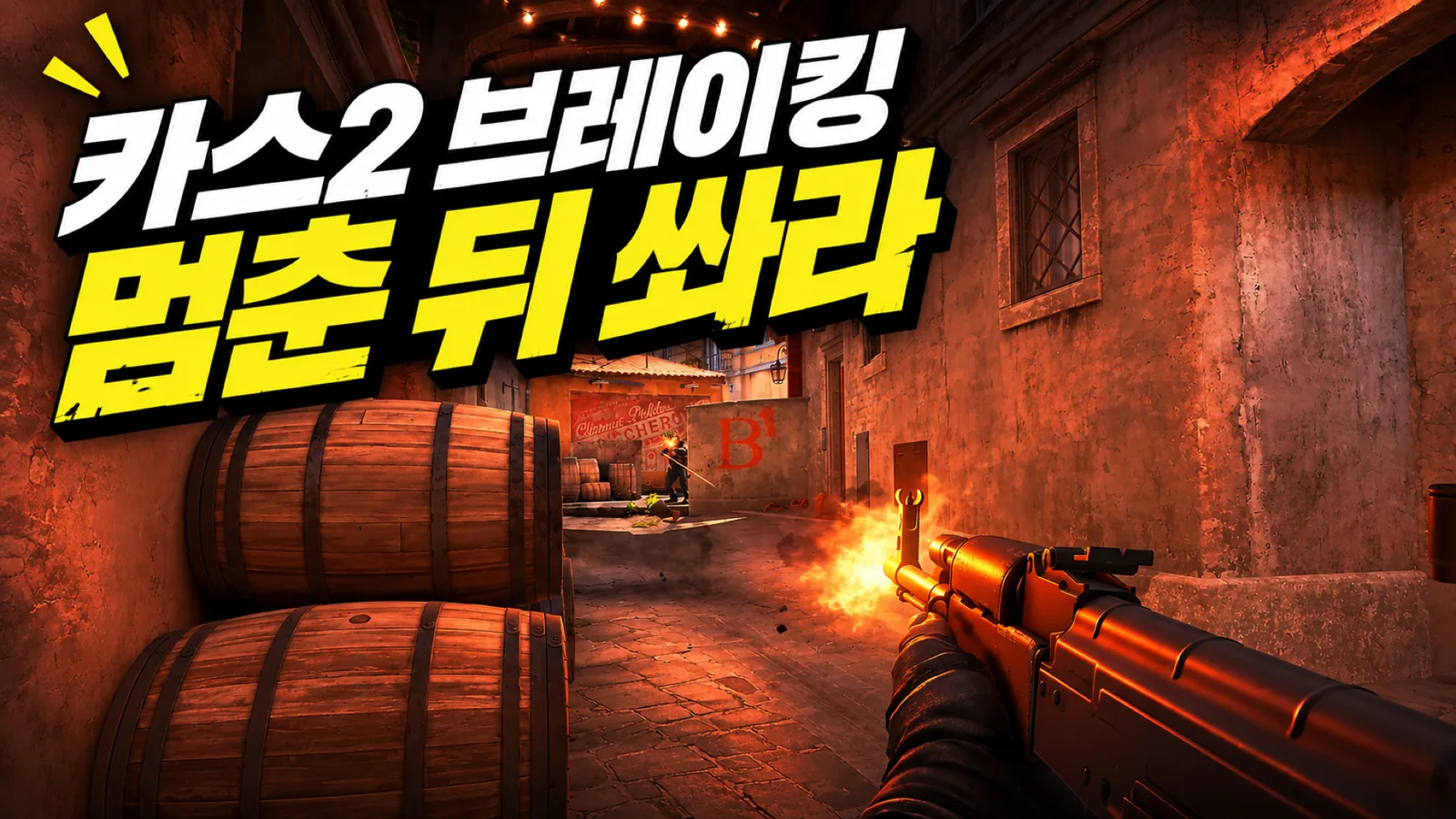
Prepare the first shot and adjust burst length to distance
Stopping practice becomes more useful when paired with crosshair placement. Looking at the ground means you must still lift your aim after stopping. Pre-aim likely corners at the expected head height.
Swinging wide to check everything can expose you to several angles at once. Use cover to limit the angles and clear them one at a time with your aim prepared. Remember that stairs and slopes change the correct head height.
Choose how to fire for the distance and situation. If a long spray scatters against a distant target, shorter bursts with recovery time are easier to manage. You need not insist on single taps in a sudden close fight. Avoid continuing the same missed spray automatically.
Crouching is not always the answer. It can help accuracy, but slows movement and retreat. Before crouching on sight, consider whether you can return to cover or need to finish the fight from that position.
Should you enable Follow Recoil?
Follow Recoil lets the crosshair move away from the center of the screen to follow the weapon's recoil pattern. It can make recoil direction easier to understand than a fixed crosshair. It does not reduce recoil, move your mouse automatically, or guarantee the exact impact point of every bullet.
Compare it on and off using the same weapon and distance. Choose based on whether the moving crosshair helps you understand compensation or makes it harder to watch enemies and acquire the next target. A professional's preference need not be yours.
Changing sensitivity at the same time makes the comparison unclear. Keep sensitivity and other crosshair settings fixed while testing Follow Recoil. It will not fix movement inaccuracy: practice the stationary first shot and spray control separately.
Why coordinate purchases even when you can afford a rifle?
CS2's economy is a team matter. Buying a rifle alone while teammates have pistols and incomplete equipment prevents the team from fielding its strength together. Losing that equipment can leave you unable to buy when they can in the next round.
Check teammates' money and equipment before buying. Agree whether to purchase fully together, save for the next round, or commit despite limited resources. These decisions are commonly called full buys, ecos, and force buys.
| Buy choice | What beginners should check |
|---|---|
| Full buy | Can the team fight together with main weapons, armor, and the utility it needs? |
| Eco | Will spending less now let everyone equip together next round? |
| Force buy | Does the team agree on a reason to commit now despite incomplete equipment? |
Saving is not automatically good economy. Saving alone in a round the team must contest also breaks coordination. You can buy a teammate a gun when you have spare money. Focus on whether you can fulfill the round's roles together, rather than buying the most expensive weapon.
Reconsider a purchase that leaves almost nothing for armor and utility. CTs should also check whether the team has defuse kits. There is no universal equipment bundle: surviving gear, assigned positions, and the team's plan change what you need.
The refund feature can undo certain mistaken purchases. Think of it as returning a weapon bought that round, still unused, during buy time. It is not a way to freely sell guns carried over from previous rounds. Coordinate before confirming purchases.
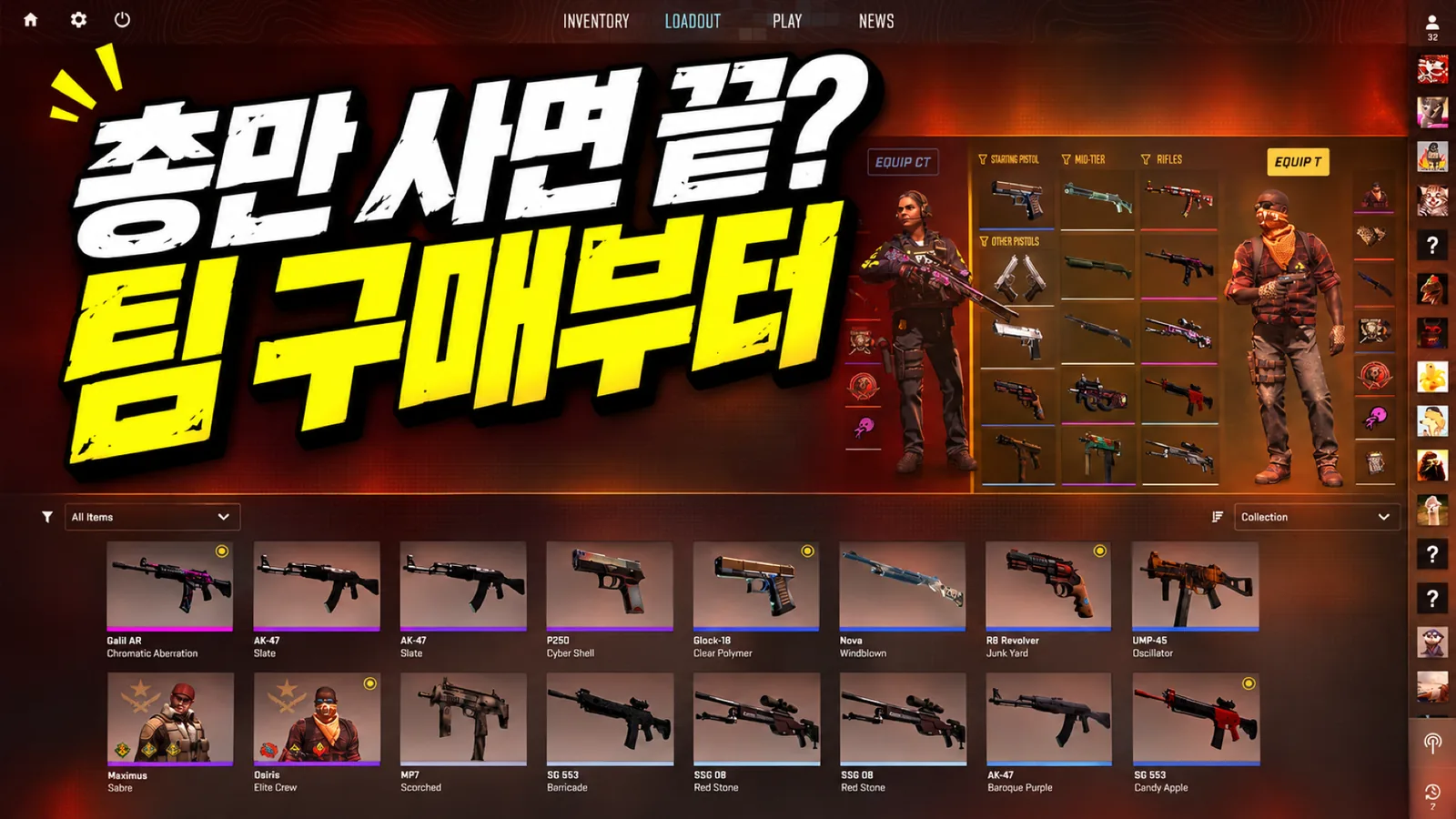
Utility changes the conditions of a fight
Instead of agent-specific abilities, CS2 offers shared utility you buy. Smokes block sightlines, flashes create moments of impaired vision, and Molotovs or incendiaries make areas difficult to enter or hold. Utility's value goes beyond direct grenade damage.
If two angles cover an entrance, smoking one can reduce the number of enemies you must face simultaneously and clarify which angle teammates should clear. Smoke does not stop bullets and can obstruct your own team. What matters is which sightline it removes.
A flash only creates an opening if teammates act in time. An unannounced throw can instead blind your own entry player. A short call such as 'flashing' and agreement on who peeks when are part of using it properly.
You need not memorize many difficult lineups immediately. On one familiar map, learn a smoke and flash for your role. Check where they land and whose vision they affect. Test whether terrain hides the flash and whether gaps remain at smoke edges before relying on memorization.
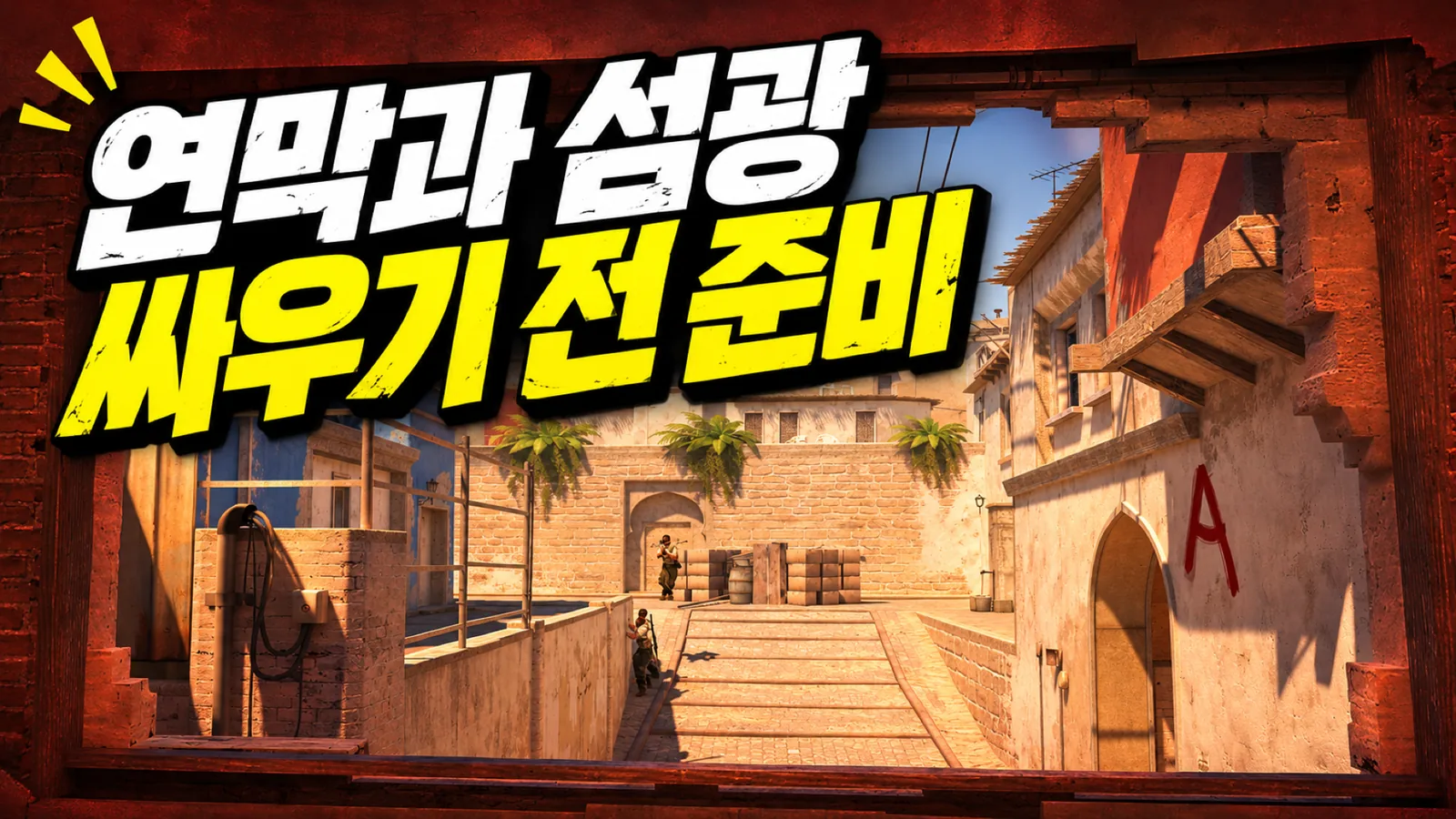
Stay close enough for teammates to trade
Moving as a team does not mean running in a tight cluster. Maintain positions and spacing that let the next player respond when the first teammate fights. Trading the opponent who killed a teammate is as important as winning the first duel.
Too far apart, you arrive after the fight; too close, you block movement or expose both players to the same attack. Watch the angle the first player clears and cover another. Choosing utility for too long after an entry begins can make you miss the moment to help with your gun.
Keep calls short and factual. Location, numbers seen, and whether you spotted the bomb help teammates decide their next move. If you only heard footsteps, say so rather than inventing a confirmed enemy count. One accurate call coordinates better than a long, rushed explanation.
Judge practice by whether repeated mistakes decrease
A simple sequence works: check stationary first-shot accuracy, practice one shot after lateral movement, then compare short bursts and Follow Recoil. Learn key positions and one or two utility uses on a regular map, and decide your role in a match.
After a match, avoid blaming every loss on aim. Identify one repeated issue: shooting before stopping, exposure to multiple angles, mismatched buys, or missed utility opportunities. A specific behavior to change gives the next match and practice a purpose.
Beginners benefit most from avoiding the same disadvantaged fights repeatedly. Stop before firing, coordinate equipment, and leave teammates room to continue the fight. These fundamentals give the accuracy gained from aim practice more opportunities to win actual rounds.
